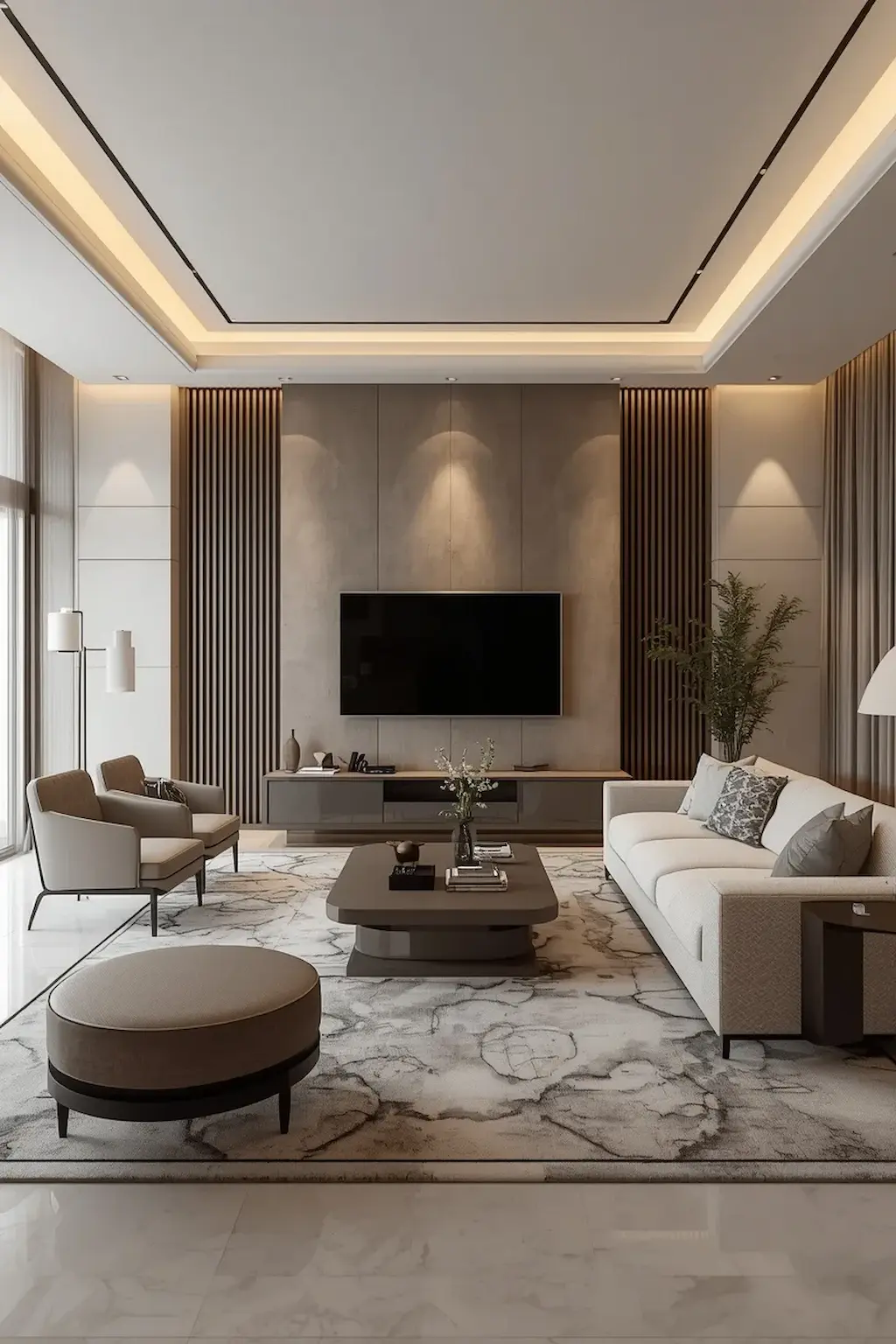
Creating a beautiful home isn’t always about spending more money—it’s about making smart design choices. Many homeowners invest in furniture, décor, and accessories but still struggle to achieve the polished, high-end look they want. Often, the problem isn’t the budget itself but a few common decorating mistakes that can make a space feel cluttered, outdated, or inexpensive.
The good news is that most of these mistakes are easy to fix. By making a few thoughtful changes, you can instantly elevate your home’s appearance and create a space that feels stylish, intentional, and professionally designed.
1. Choosing Furniture That Is Too Small for the Room
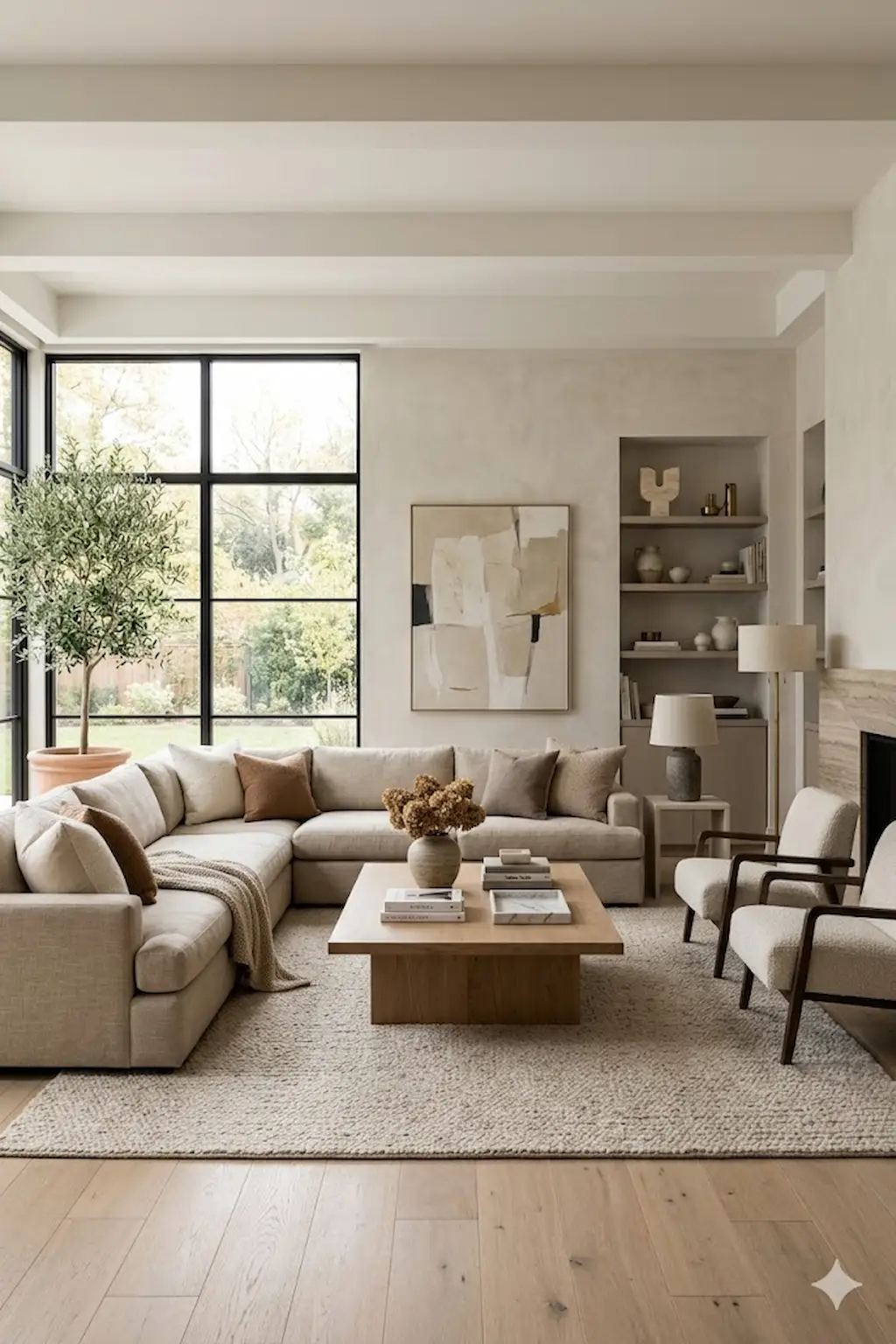
One of the most common decorating mistakes is selecting furniture that doesn’t fit the scale of the space. Tiny sofas floating in a large living room or undersized coffee tables surrounded by oversized seating can make a room feel awkward and unfinished.
Well-proportioned furniture helps create balance and gives a room a more expensive appearance. Before purchasing new pieces, measure your space carefully and consider how each item will relate to the overall layout. Larger rooms often benefit from substantial furniture that helps anchor the space and create a sense of luxury.
A better approach:
- Use furniture that suits the room’s dimensions.
- Choose a properly sized area rug.
- Create conversation areas with balanced spacing.
- Avoid leaving large empty gaps between furniture pieces.
2. Using Harsh Overhead Lighting Only
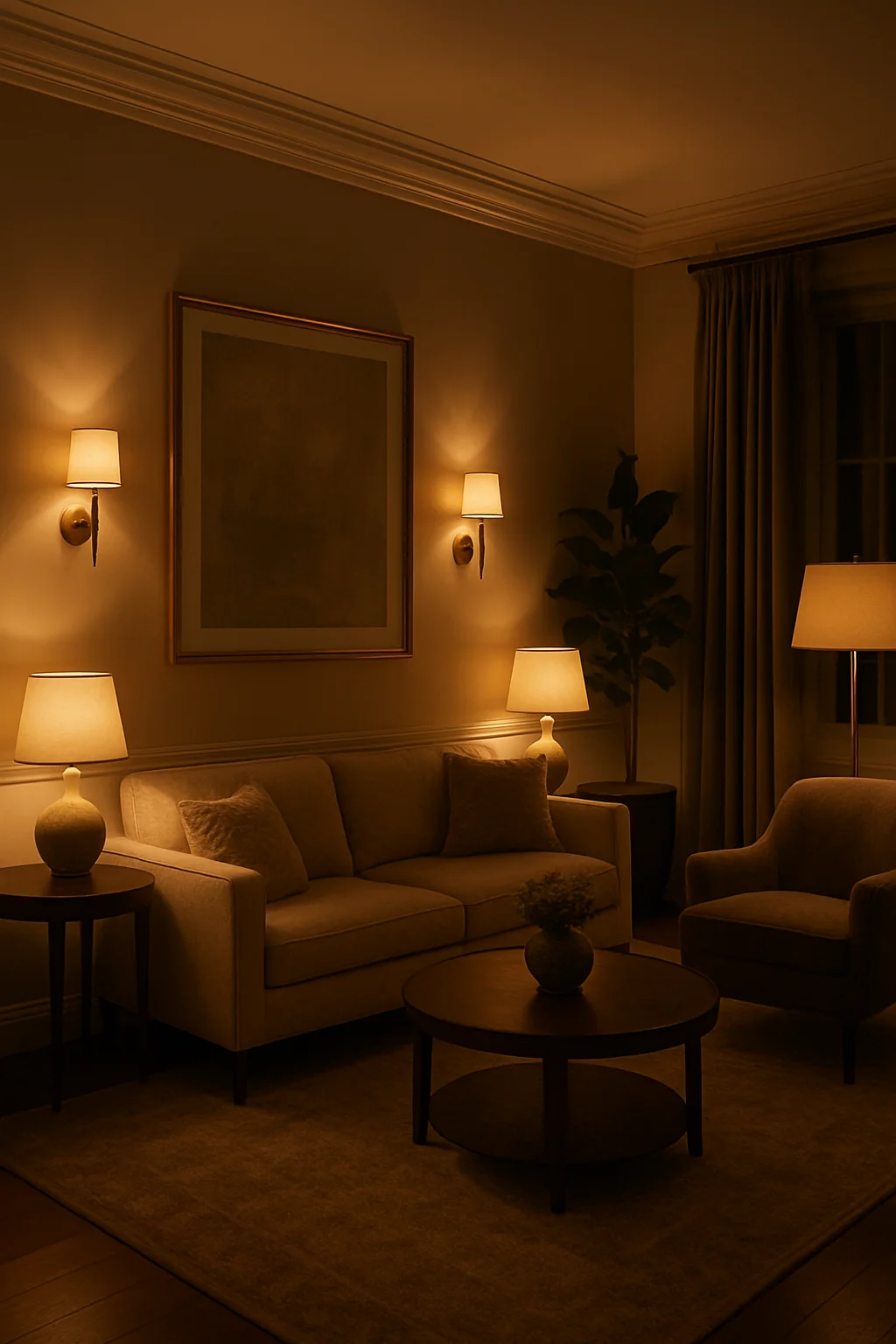
Lighting plays a major role in how a home feels. Relying solely on a bright ceiling fixture can make even a beautifully decorated room feel flat and uninviting. Designer interiors typically use multiple light sources to create warmth, depth, and atmosphere.
A combination of table lamps, floor lamps, sconces, and accent lighting allows you to control the mood of the room while highlighting key design features. Warm lighting instantly makes a space feel more welcoming and sophisticated.
What to add instead:
- Table lamps
- Floor lamps
- Wall sconces
- LED candles
- Accent lighting
3. Hanging Artwork Too High
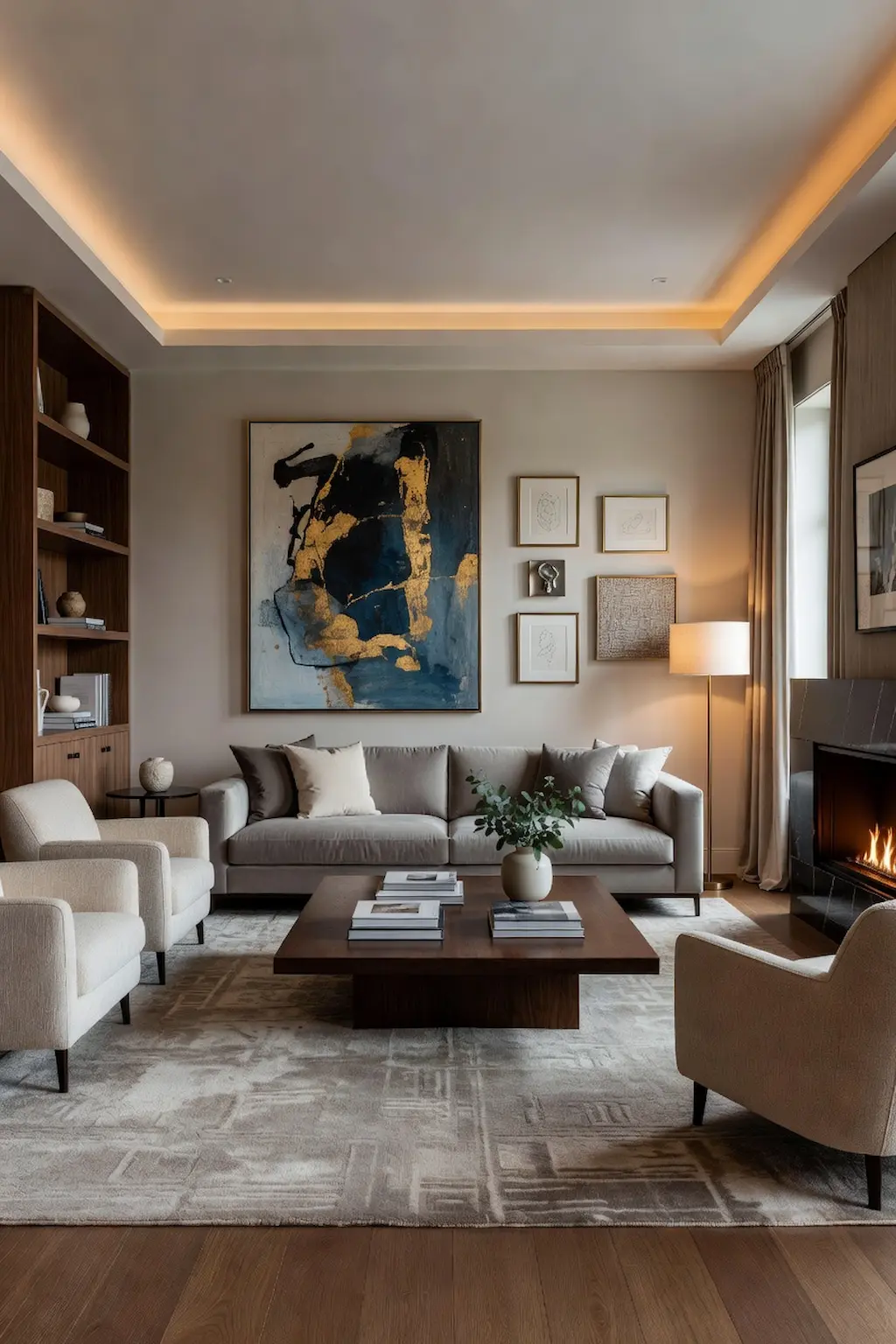
Many people treat artwork like a wall decoration that should be placed near the ceiling. In reality, artwork should feel connected to the furniture and people within the room. When pictures are hung too high, the space can feel disconnected and poorly planned.
Interior designers typically place artwork at eye level so it becomes part of the room rather than floating above it. Proper placement creates visual harmony and helps the entire space feel more polished.
4. Cluttering Every Surface
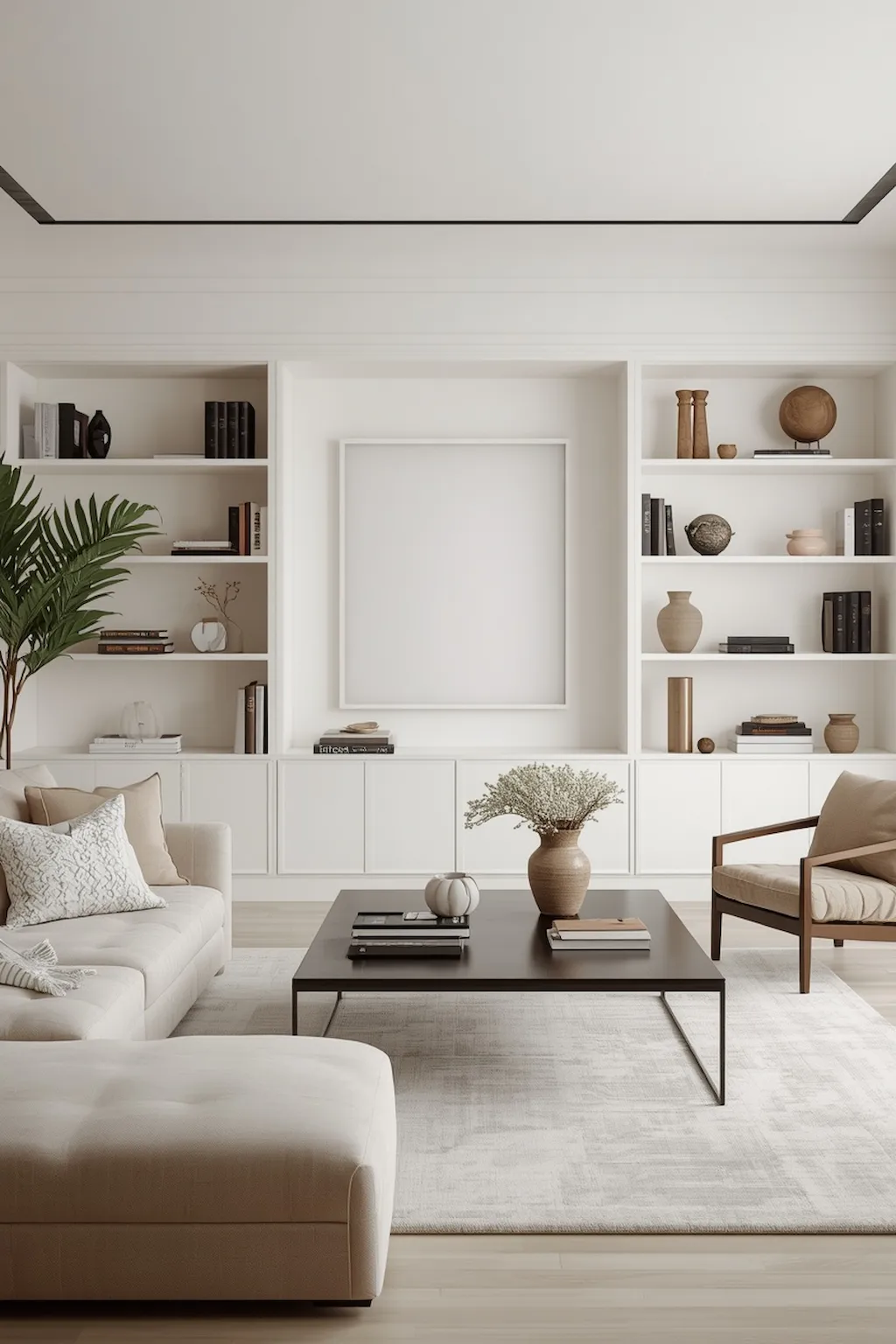
Displaying decorative accessories can add personality to a home, but too many items often have the opposite effect. Crowded shelves, overloaded coffee tables, and packed countertops can make even an expensive home feel chaotic and inexpensive.
Luxury interiors often embrace restraint. Instead of displaying everything at once, select a few meaningful pieces and allow them room to stand out. Negative space is just as important as the décor itself.
Simple decluttering tips:
- Remove unnecessary accessories.
- Group similar items together.
- Leave empty space on shelves.
- Rotate seasonal decorations.
- Keep countertops mostly clear.
5. Ignoring Window Treatments
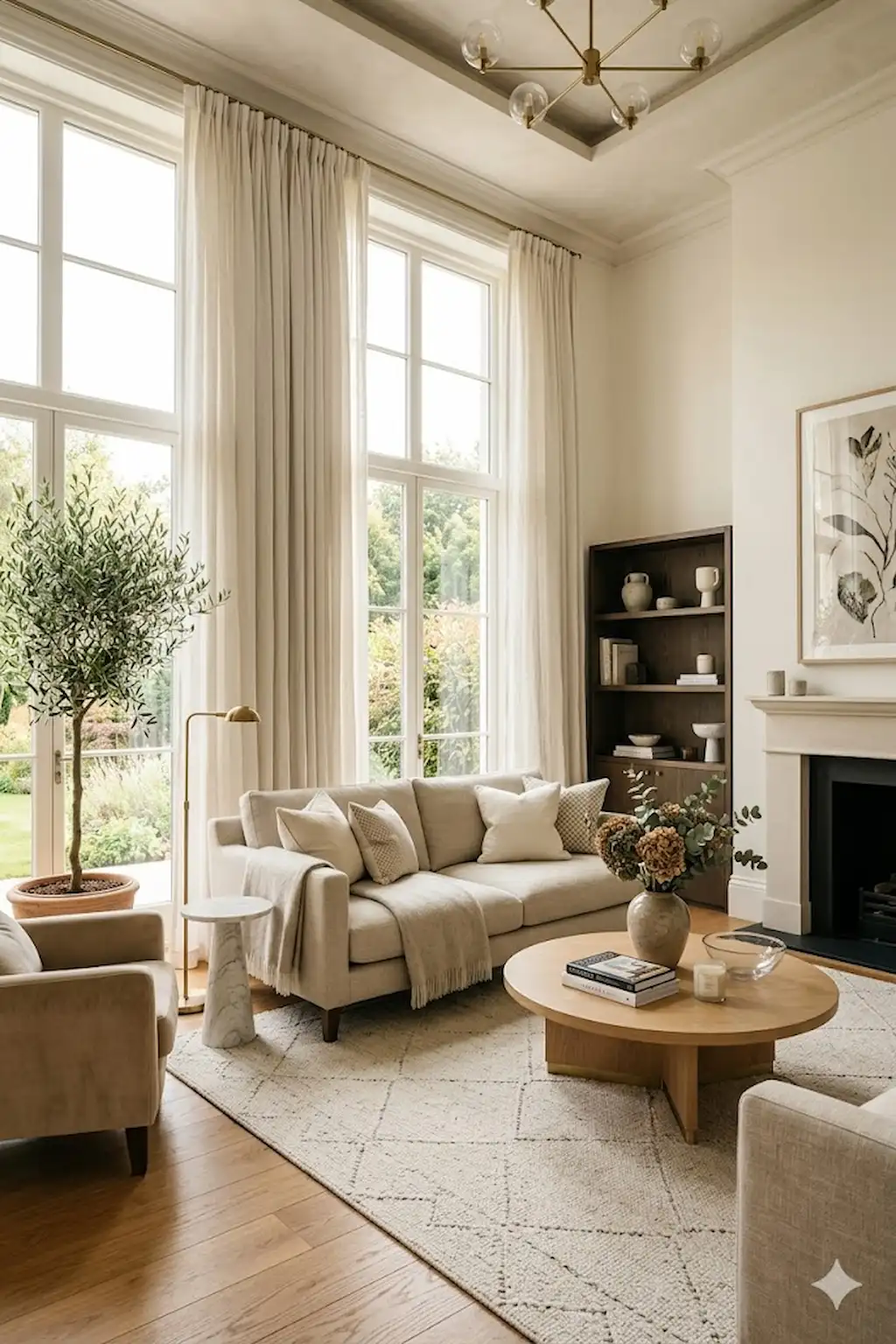
Bare windows or outdated blinds can significantly impact the overall appearance of a room. Windows are a major architectural feature, and treating them thoughtfully can dramatically improve the design.
Full-length curtains mounted higher and wider than the window frame create the illusion of larger windows and taller ceilings. This simple upgrade instantly adds elegance and softness to the room.
6. Using Too Many Different Colors
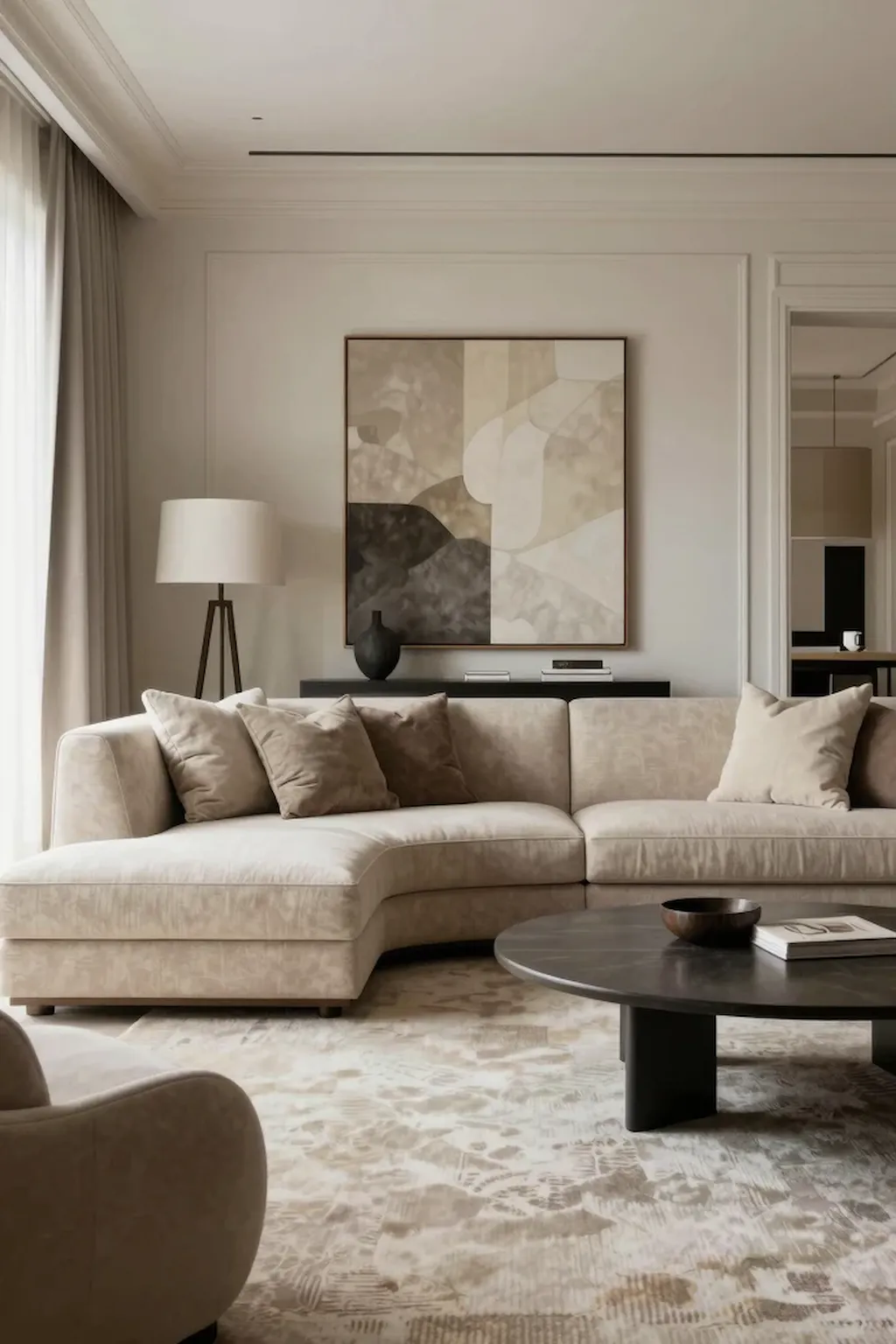
While color can bring energy and personality into a home, using too many competing shades often creates visual chaos. Rooms without a cohesive palette can feel busy, unorganized, and less sophisticated.
Professional designers usually work with a limited color palette and introduce variety through texture, materials, and subtle accent colors. This creates a balanced look that feels intentional and refined.
A more designer-friendly strategy:
- Choose a primary color palette.
- Use accent colors sparingly.
- Repeat colors throughout the room.
- Add interest through textures instead of excessive colors.
7. Buying Everything from One Store
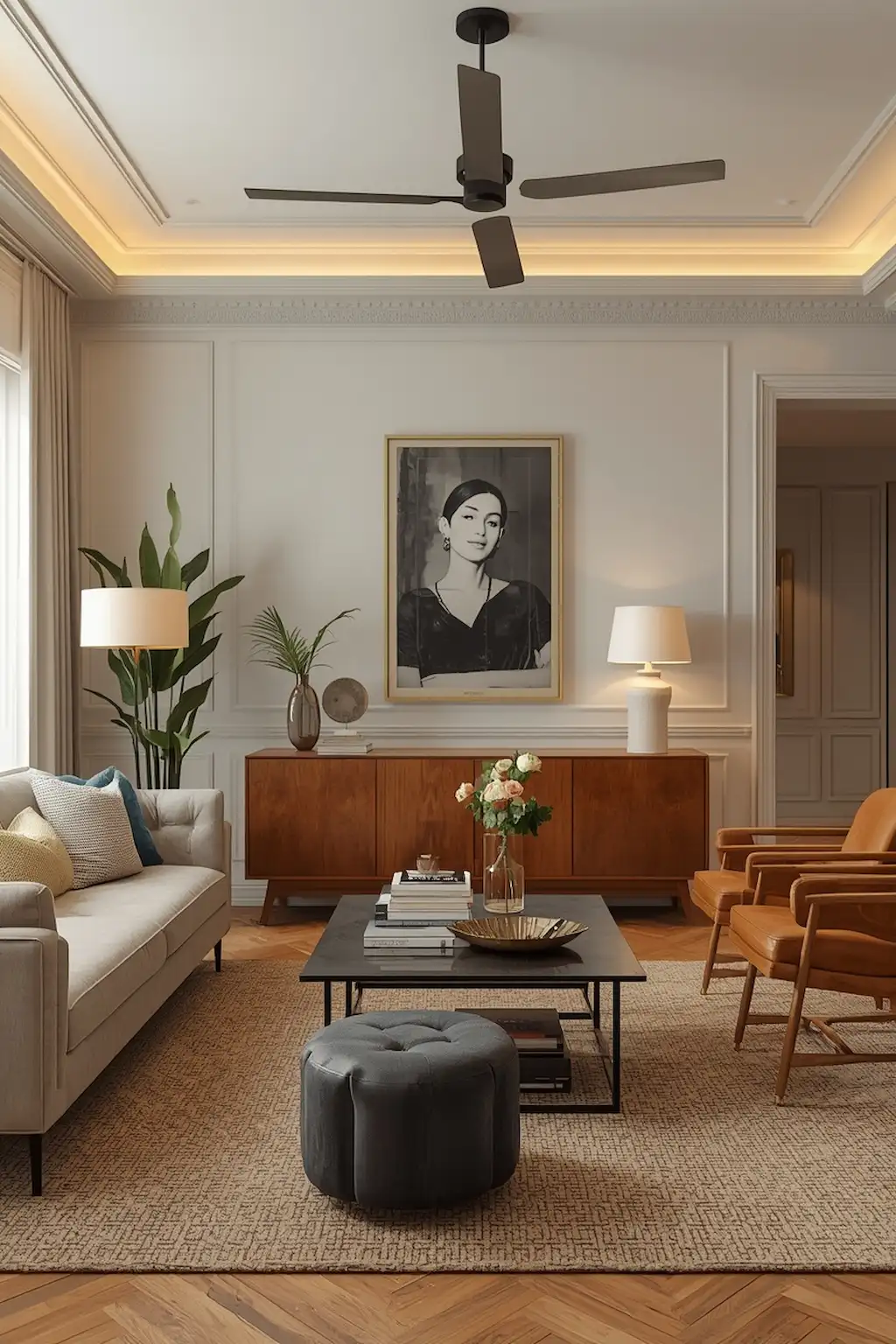
Purchasing an entire room set from a single retailer may seem convenient, but it can make a home feel like a furniture showroom rather than a thoughtfully designed living space.
The most stylish interiors combine pieces from different sources, creating layers of personality and character. Mixing furniture styles, textures, and materials helps a room feel collected over time rather than purchased all at once.
8. Neglecting Texture and Layering
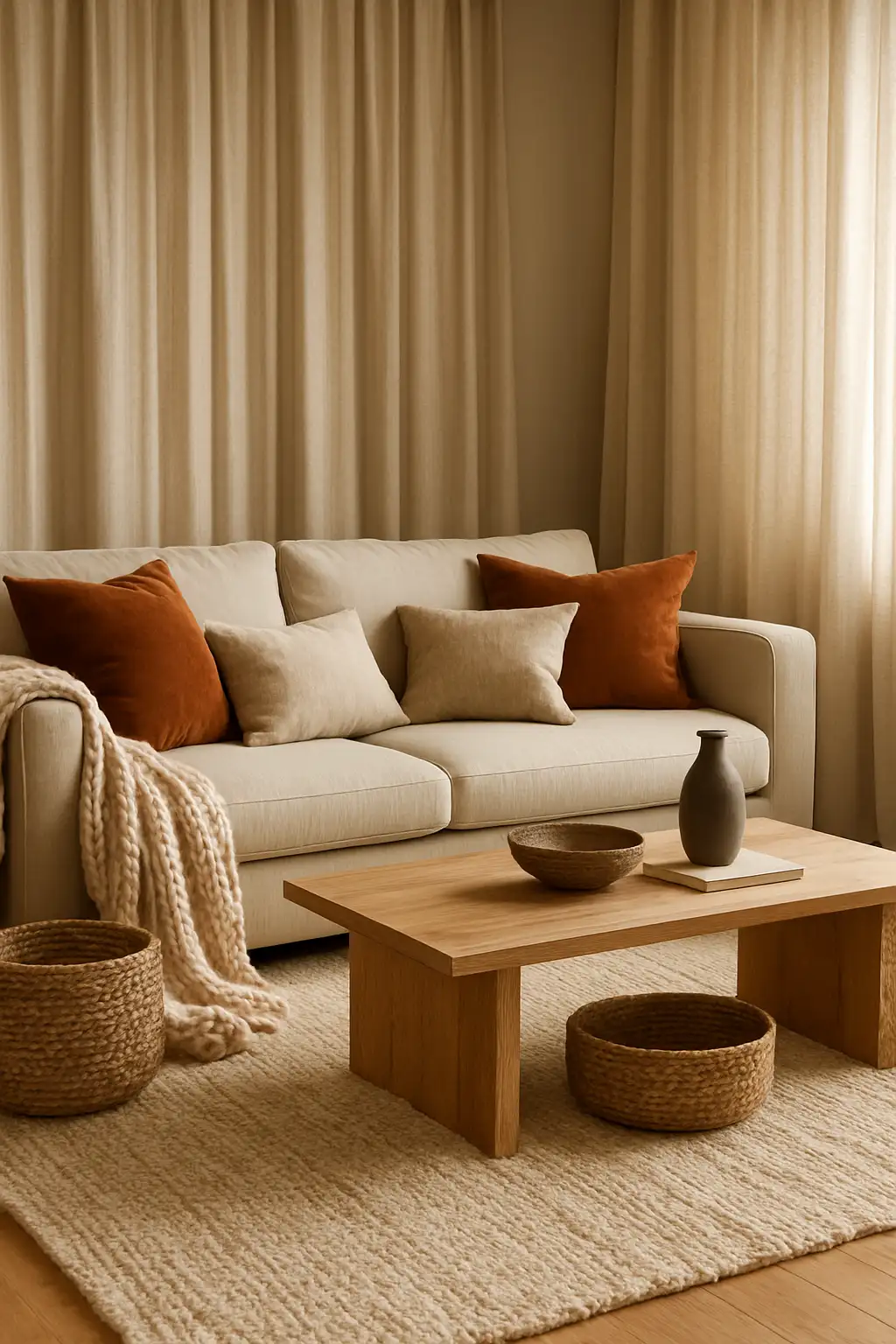
A room filled with smooth surfaces can feel flat, even when the furniture itself is attractive. Texture adds warmth, depth, and visual interest that make a home feel inviting and expensive.
Layering different materials creates a richer environment. Soft fabrics, woven baskets, natural wood, stone, metal accents, and textured rugs all contribute to a more sophisticated design.
Textures that elevate a room:
- Linen fabrics
- Velvet pillows
- Natural wood
- Woven baskets
- Stone finishes
- Chunky knit throws
9. Choosing Cheap-Looking Décor Accessories
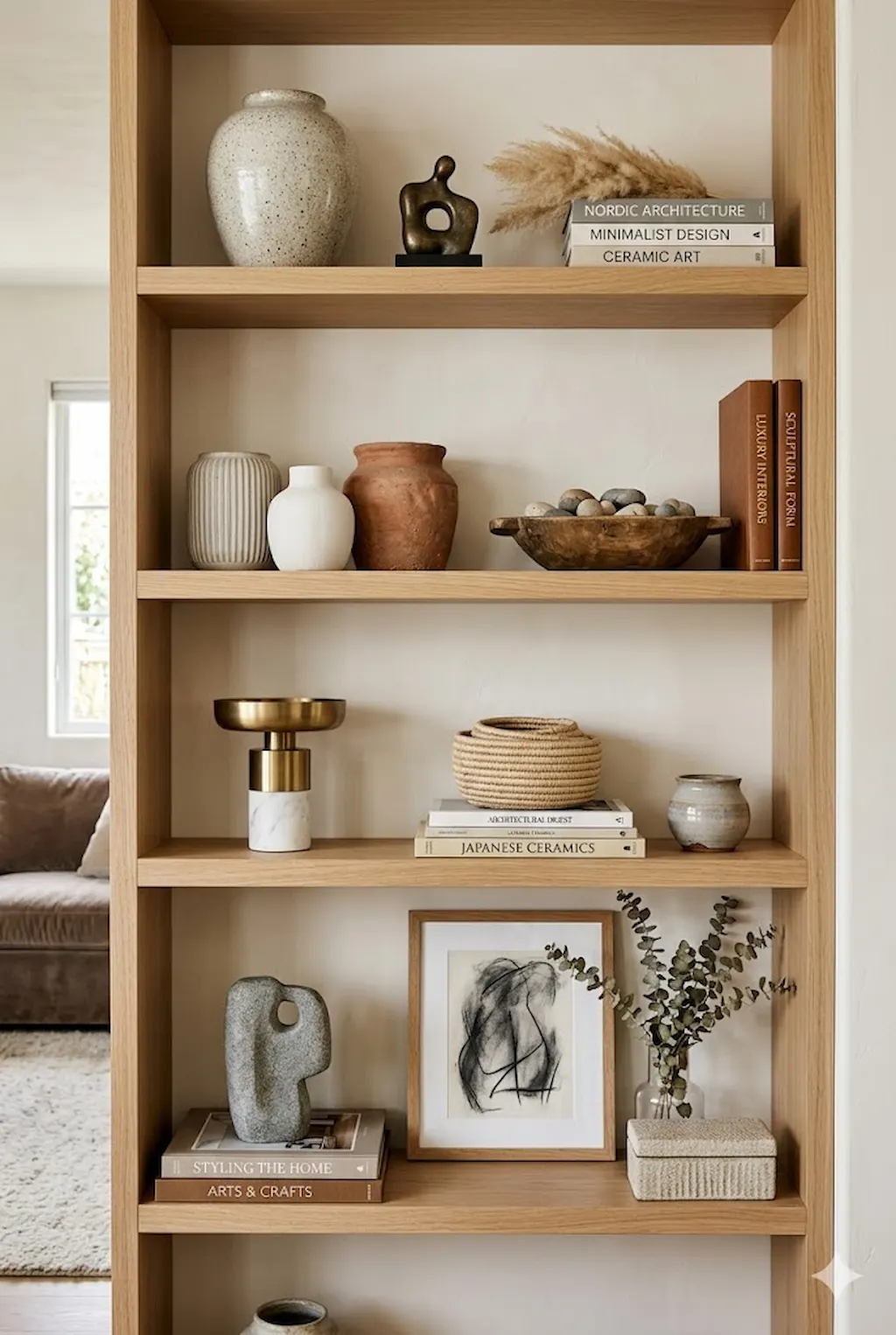
Small decorative items can have a surprisingly large impact on a room’s overall appearance. Mass-produced accessories made from lightweight materials often look inexpensive and can diminish the quality of the entire space.
Instead of filling shelves with numerous small decorations, focus on a few larger statement pieces. Quality over quantity almost always creates a more luxurious result.
Look for:
- Ceramic vases
- Framed artwork
- Decorative books
- Sculptural objects
- Natural materials
These elements tend to look more sophisticated and timeless.
10. Forgetting to Add Personality
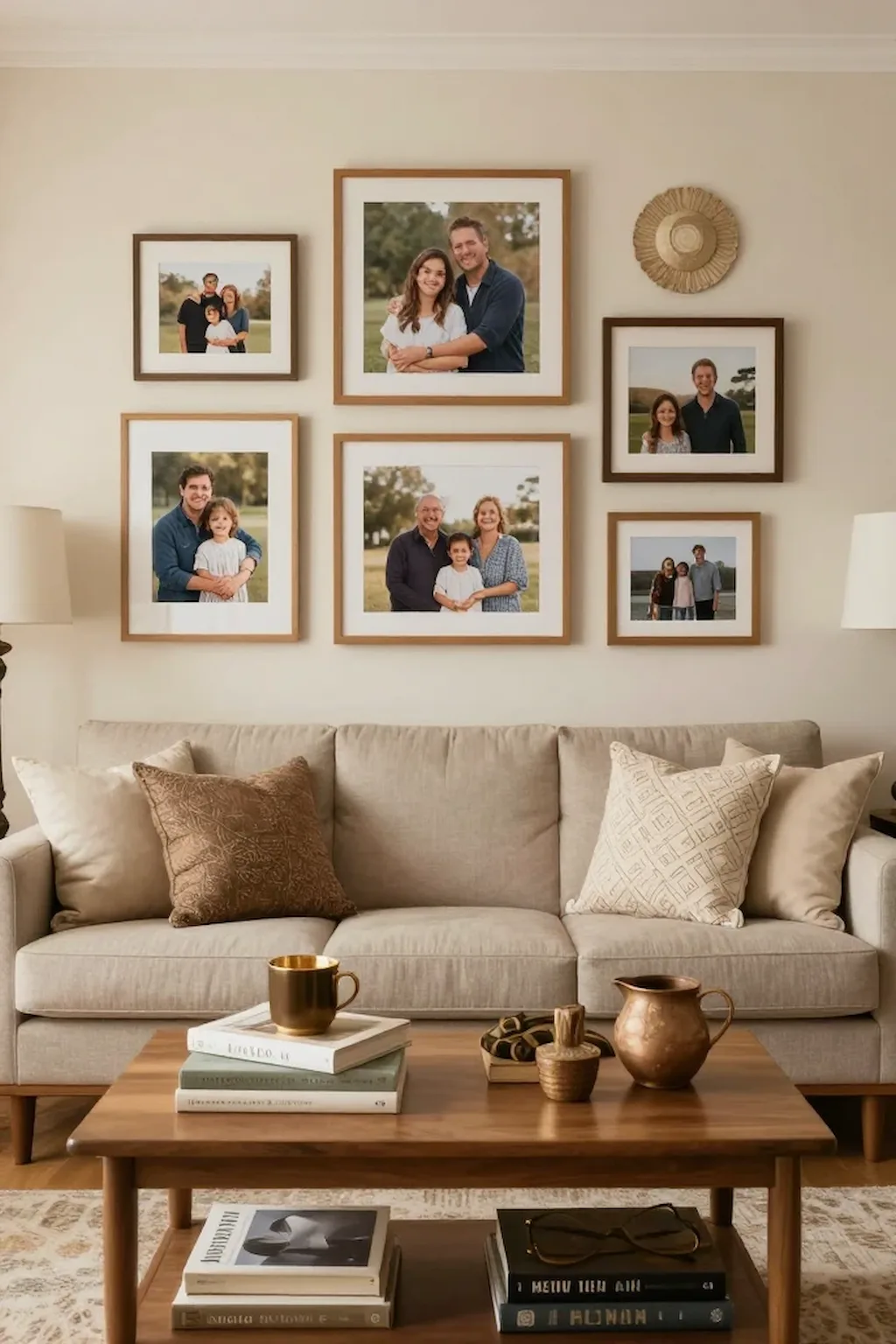
Ironically, one of the biggest mistakes is trying so hard to make a home look perfect that it loses all personality. A room can be beautifully decorated but still feel cold and generic if it doesn’t reflect the people who live there.
The most memorable homes include meaningful details such as favorite books, family photographs, travel souvenirs, handmade items, and personal collections. These touches create warmth and authenticity while making the space feel truly lived in.
Ways to personalize your home:
- Display meaningful photographs.
- Showcase favorite books.
- Incorporate travel memories.
- Use heirloom or handmade pieces.
- Add décor that reflects your interests.
Conclusion
Avoiding these decor mistakes that make your home look cheap can dramatically improve the appearance of your space without requiring a major renovation or a large budget. Often, the difference between a room that feels ordinary and one that feels luxurious comes down to thoughtful design decisions, proper scale, layered lighting, balanced color palettes, and intentional styling.
By focusing on quality, simplicity, and personal touches, you can create a home that feels elegant, welcoming, and far more expensive than it actually is. Small improvements often deliver the biggest transformations, proving that great design is about smart choices rather than spending more money.


More Stories
10 DIY Clay Home Decor Ideas Anyone Can Make Today
10 Cozy Home Decor Tips to Make Any Space Feel Warmer
10 DIY Spooky Season Home Decor Ideas on a Budget That Look Surprisingly Stylish