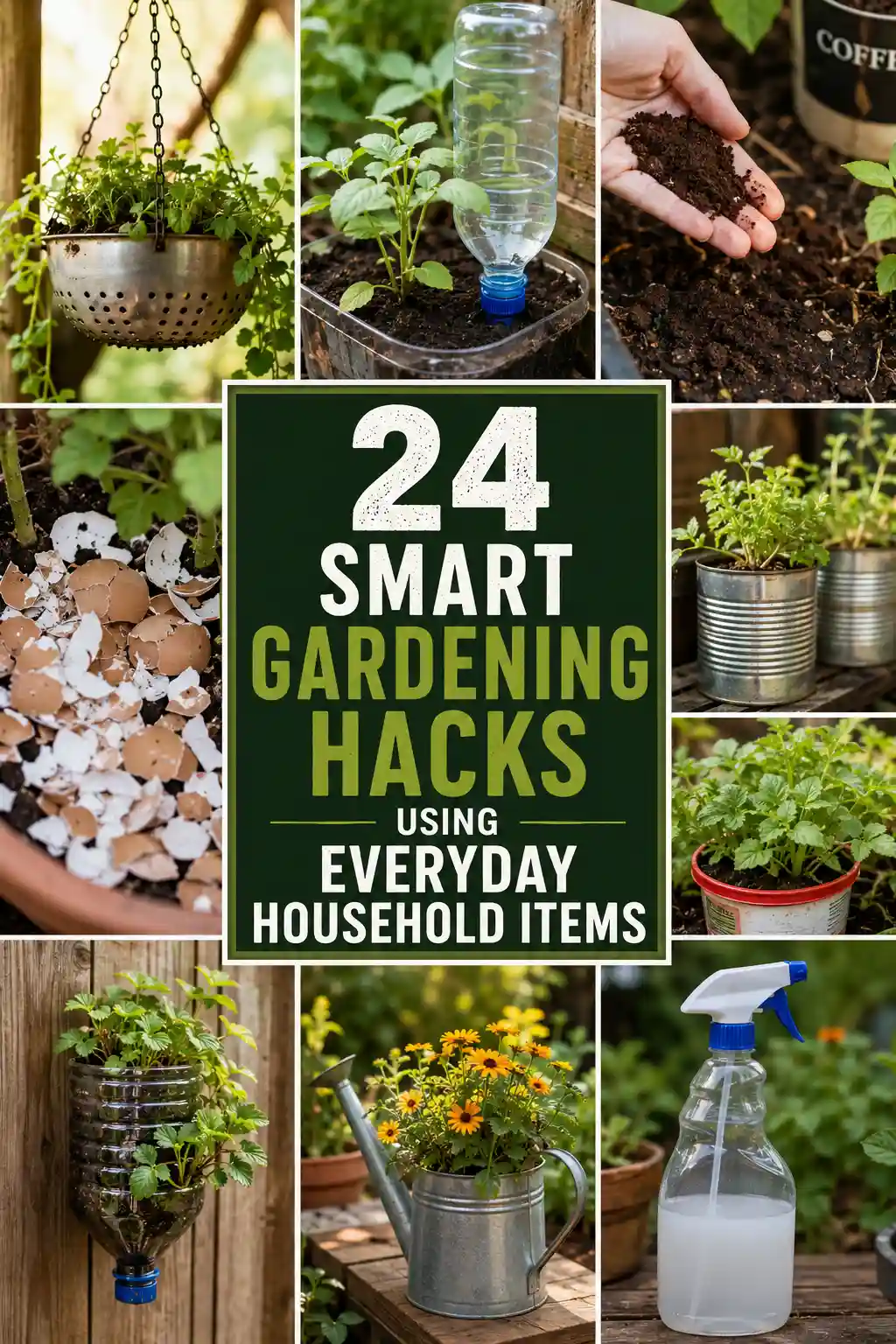
Gardening does not have to be expensive or complicated. In fact, many of the best gardening tricks use simple household items you probably already have at home. From kitchen scraps to old containers, everyday objects can help plants grow healthier, reduce waste, and make gardening easier and more affordable.
Creative gardening hacks have become increasingly popular because they save money while making outdoor and indoor gardens more efficient. Many common household items can improve soil quality, protect plants, help with watering, or even keep pests away naturally.
Whether you have a small balcony garden, raised beds, or a large backyard, these clever gardening hacks can help you grow healthier plants while reusing things you already own.
1. Use Eggshells as Natural Plant Food
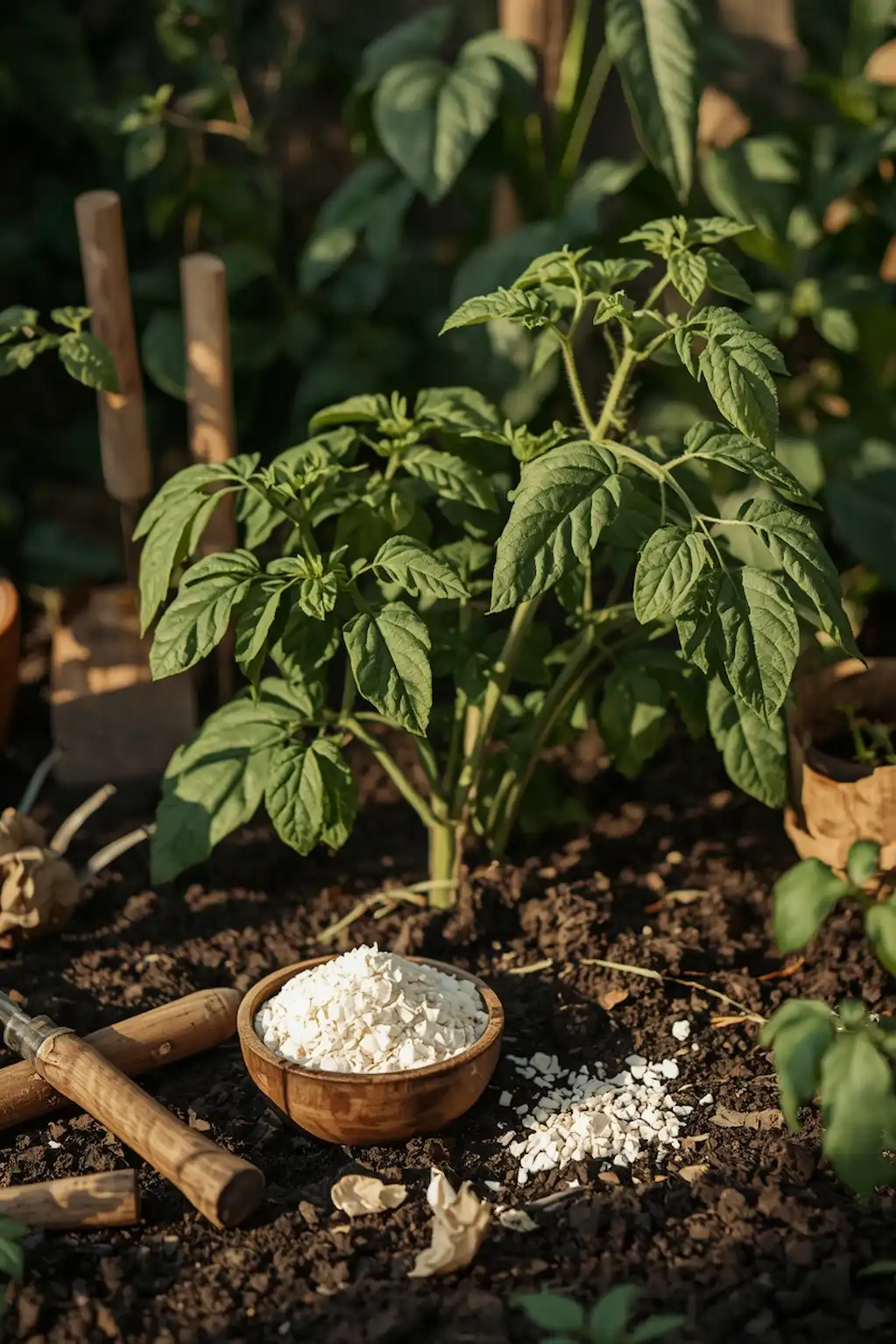
Eggshells are packed with calcium, which helps strengthen plant cell walls and improve growth.
Simply:
- Crush the shells
- Sprinkle them into the soil
- Mix them around plants
They work especially well for tomatoes, peppers, and roses.
Bonus Benefit
Crushed eggshells can also help deter slugs and snails from reaching plants.
2. Turn Coffee Grounds Into Fertilizer
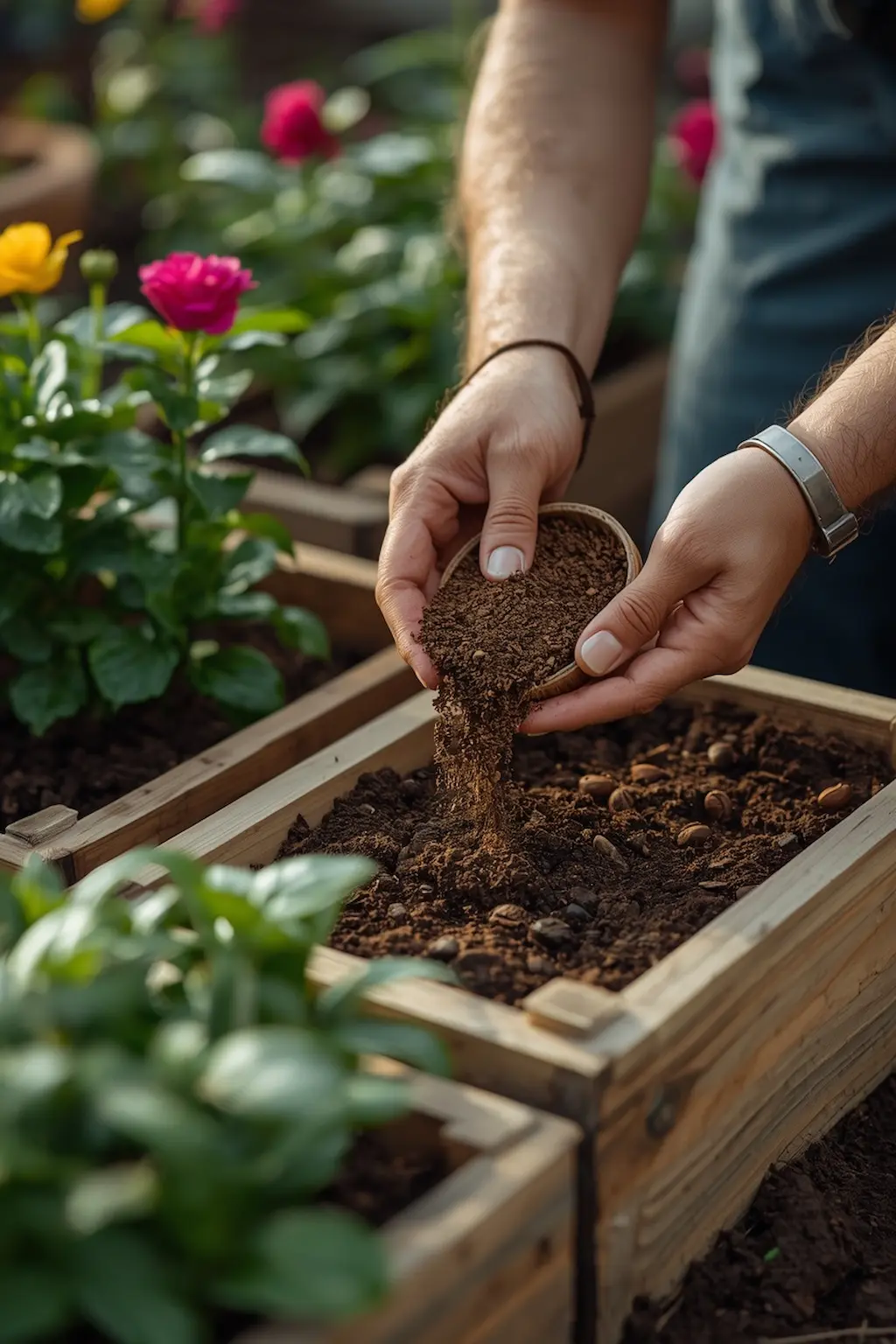
Used coffee grounds are rich in nutrients like nitrogen and can improve soil quality.
They are great for:
- Roses
- Hydrangeas
- Blueberries
- Indoor plants
Mix small amounts into the soil or compost pile for extra nutrients.
Important Tip
Avoid using too much at once because excessive coffee grounds may make soil overly acidic.
3. Use Banana Peels for Healthier Plants
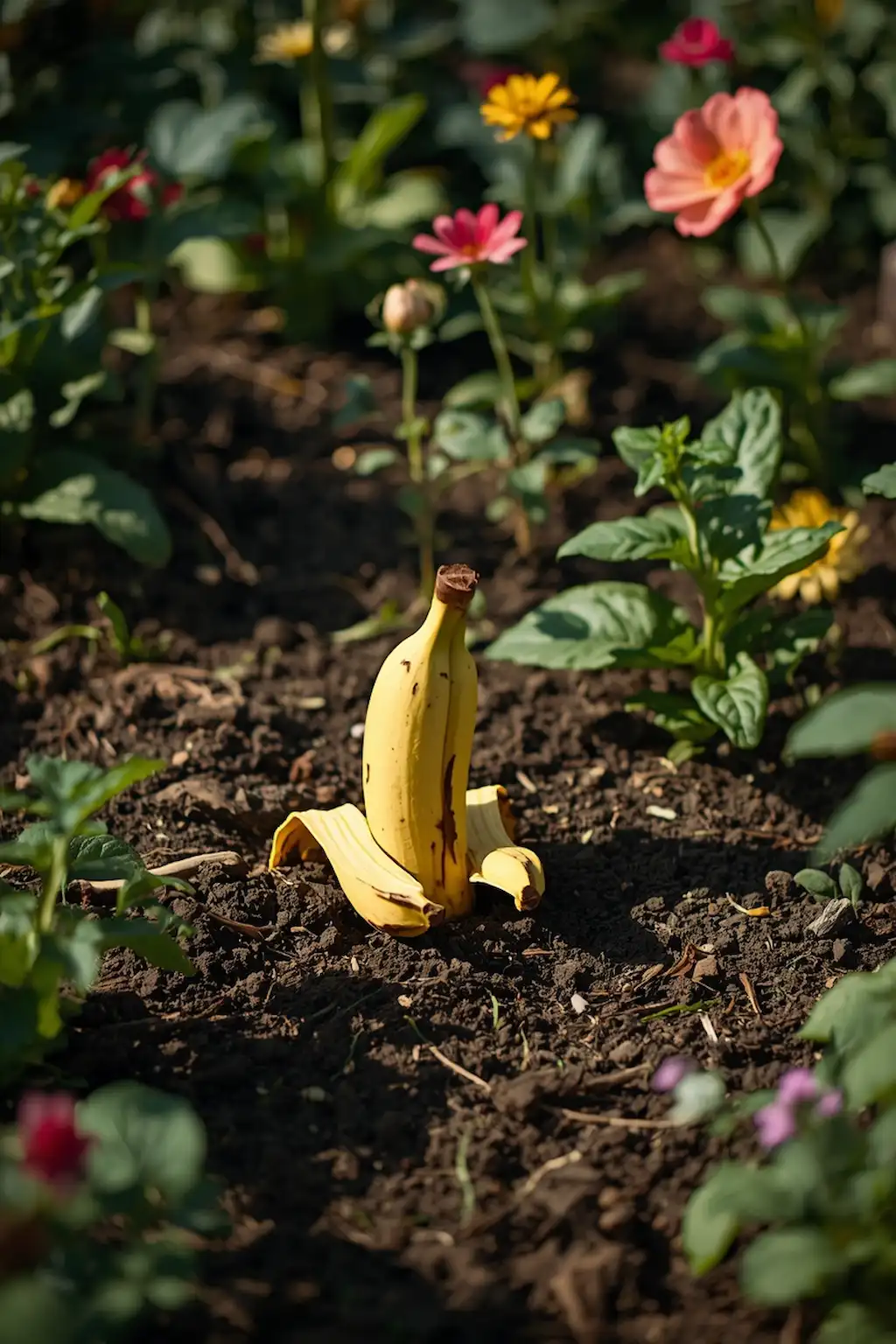
Banana peels contain potassium and phosphorus that help plants grow stronger.
Easy ways to use them:
- Chop peels into small pieces
- Bury them near plants
- Add them to compost
- Soak them in water for liquid fertilizer
This works especially well for flowering plants.
4. Reuse Plastic Bottles for Self-Watering Plants
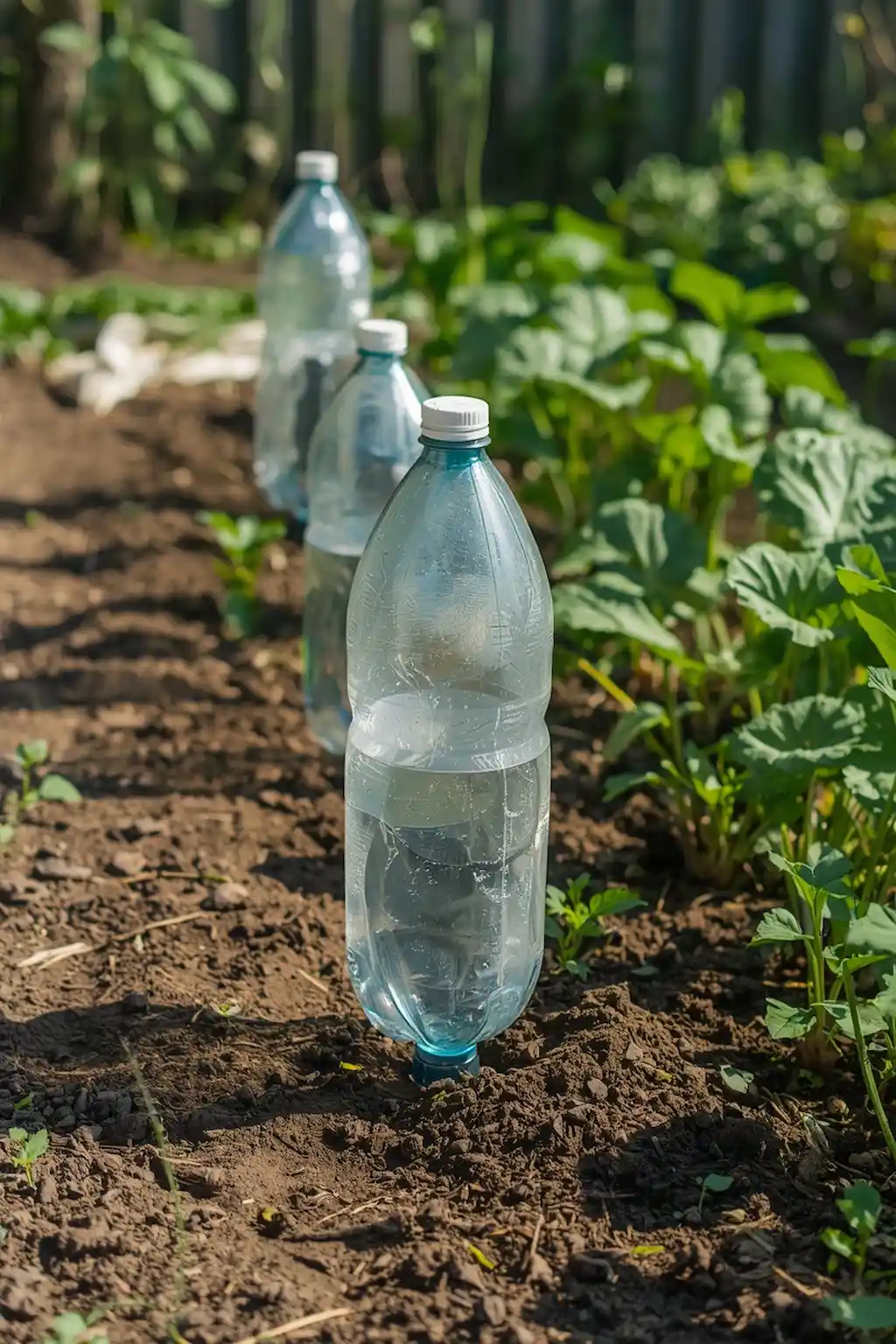
Old plastic bottles can become simple self-watering systems.
To make one:
- Poke small holes in the bottle
- Fill it with water
- Place it upside down into the soil
The water slowly releases into the roots over time.
Why Gardeners Love This Hack
It helps keep plants hydrated during hot weather or short trips away from home.
5. Use Cinnamon to Prevent Plant Fungus
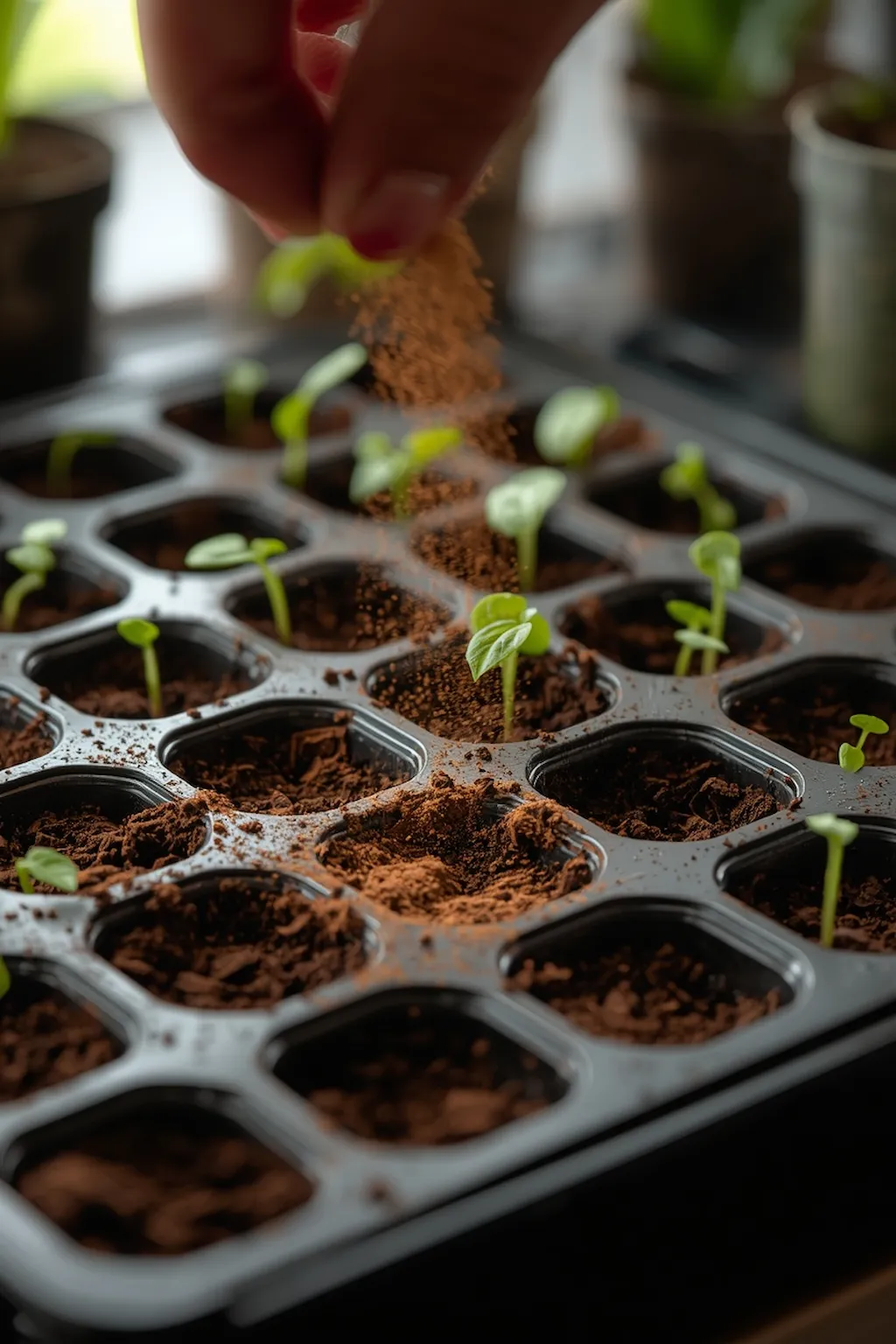
Cinnamon is a natural antifungal that can help protect seedlings and soil.
Sprinkle a little cinnamon on:
- Seed trays
- Damp soil
- Plant cuttings
It may help reduce mold and fungal growth naturally.
6. Old Spoons Make Great Garden Markers
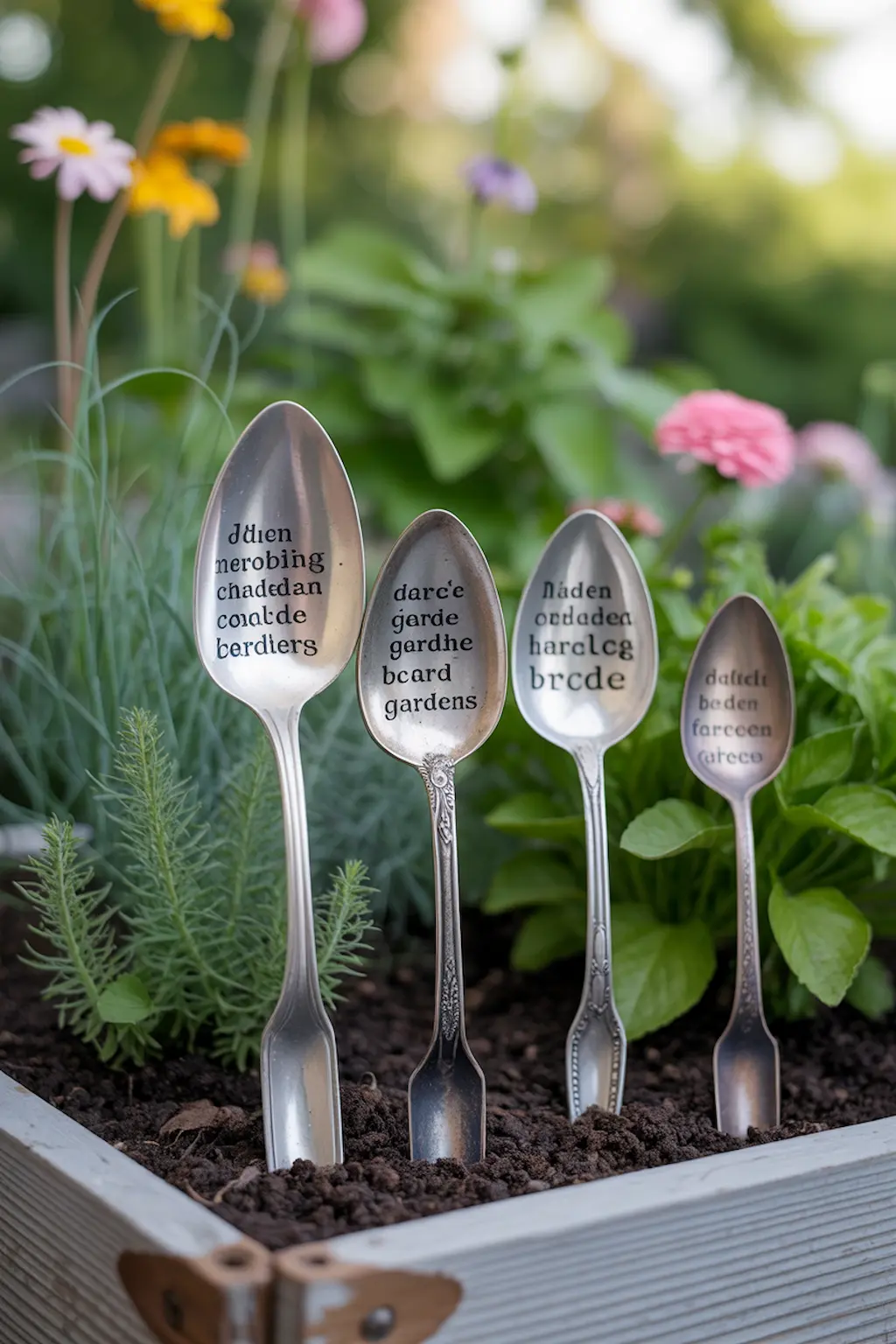
Instead of buying expensive plant labels, reuse old kitchen spoons.
You can:
- Write plant names with a marker
- Paint them for decoration
- Stick them directly into the soil
Metal spoons also last longer than wooden markers outdoors.
7. Use Vinegar to Clean Garden Pots
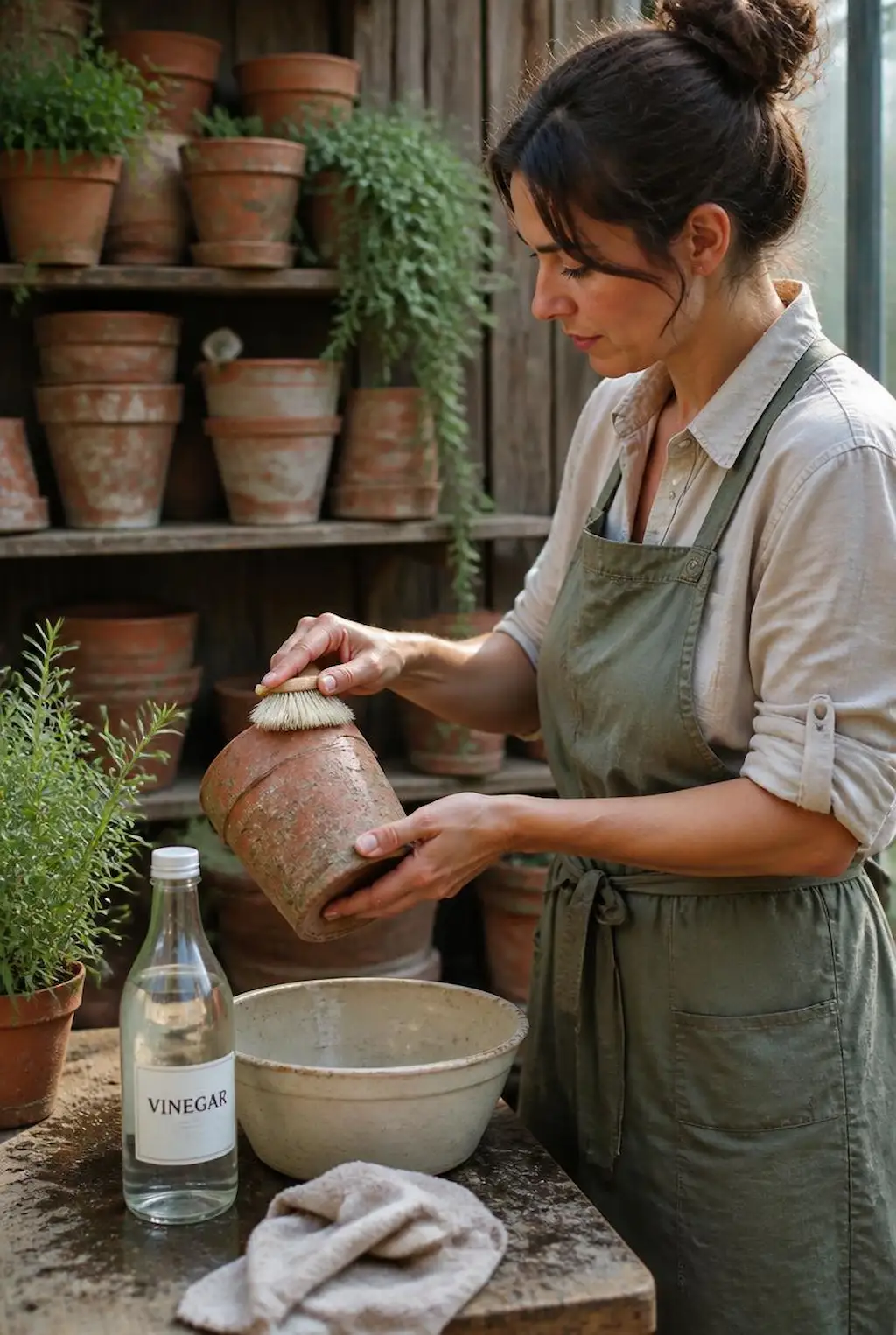
Old pots often collect dirt, mineral buildup, and bacteria.
A simple vinegar solution can help:
- Remove stains
- Kill bacteria
- Clean clay pots
- Refresh gardening tools
Mix vinegar with water and scrub the surfaces clean.
Quick Tip
Always rinse pots thoroughly before reusing them for plants.
8. Reuse Toilet Paper Rolls for Seed Starters
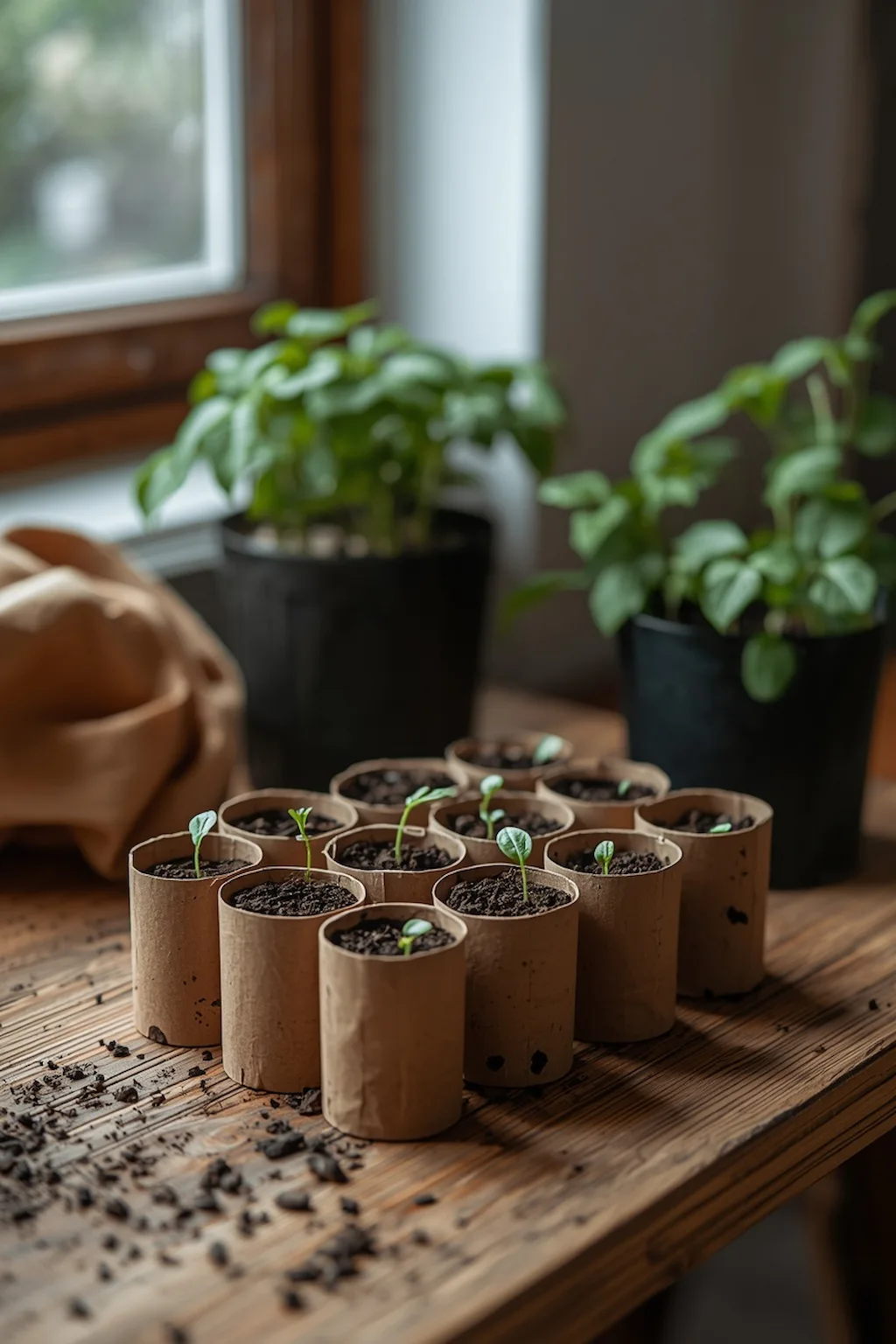
Cardboard toilet paper rolls make excellent biodegradable seed starters.
Simply:
- Cut small folds at the bottom
- Fill with soil
- Add seeds
- Place them in a tray
Once seedlings grow, you can plant the entire roll directly into the soil.
9. Use Baking Soda for Sweeter Tomatoes
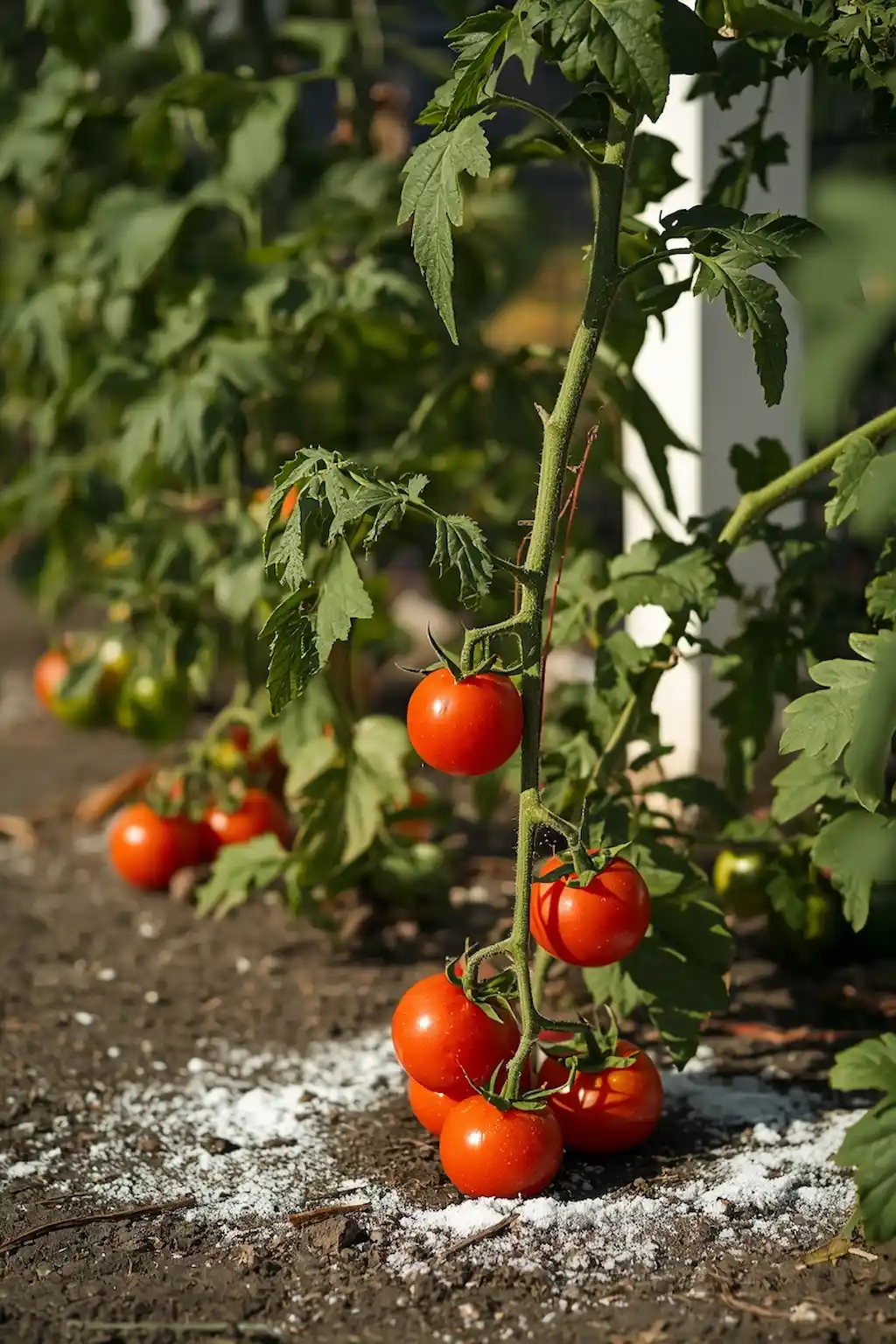
Some gardeners use small amounts of baking soda near tomato plants to reduce soil acidity slightly.
This may help tomatoes taste sweeter while also helping reduce certain fungal problems.
Important Reminder
Use only small amounts to avoid affecting soil balance too much.
10. Milk Jugs Can Protect Young Plants
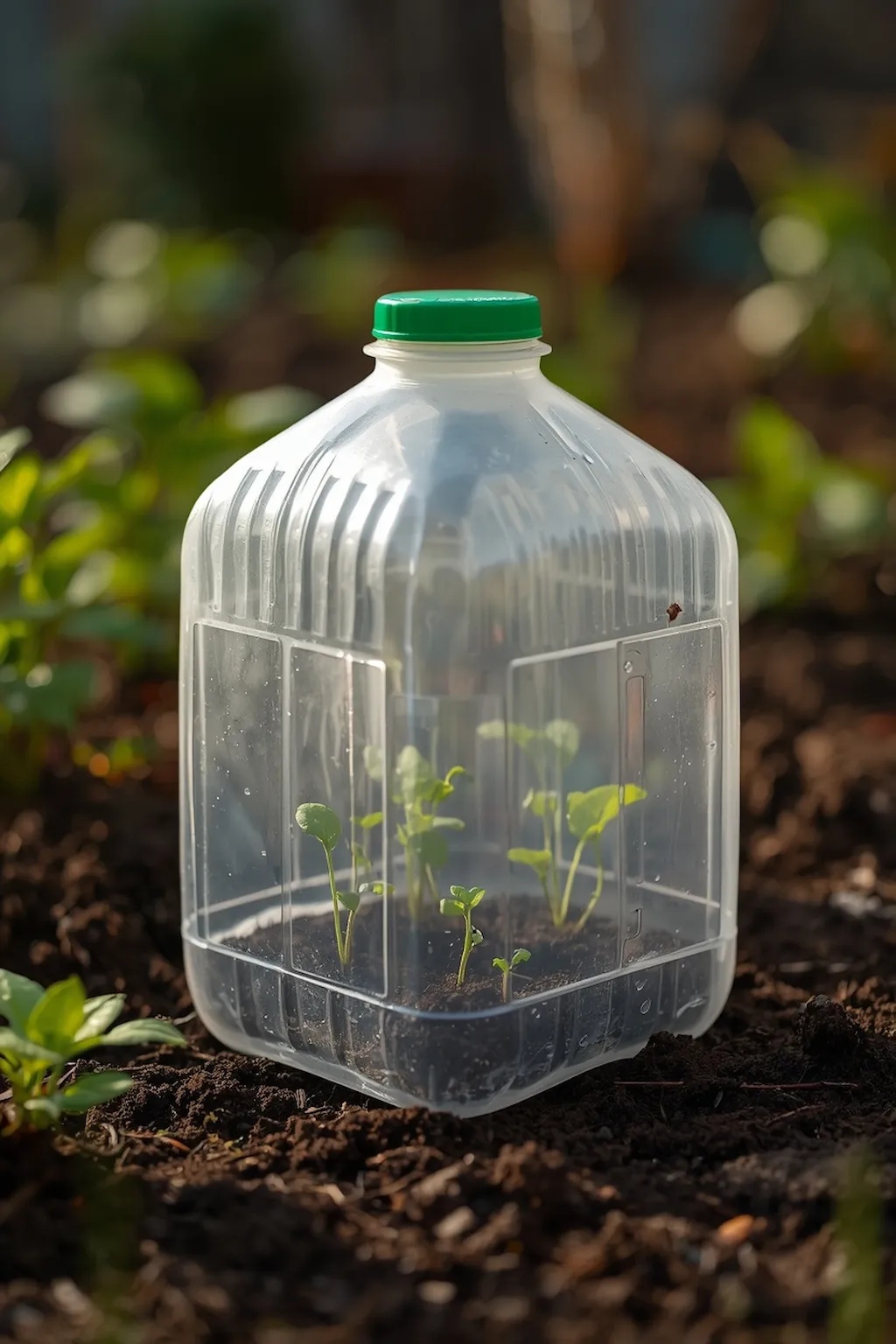
Cut plastic milk jugs in half to create mini greenhouses for seedlings.
They help:
- Protect against cold weather
- Shield plants from wind
- Retain moisture
- Encourage faster growth
This is especially helpful during early spring gardening.
11. Use Rice Water for Indoor Plants
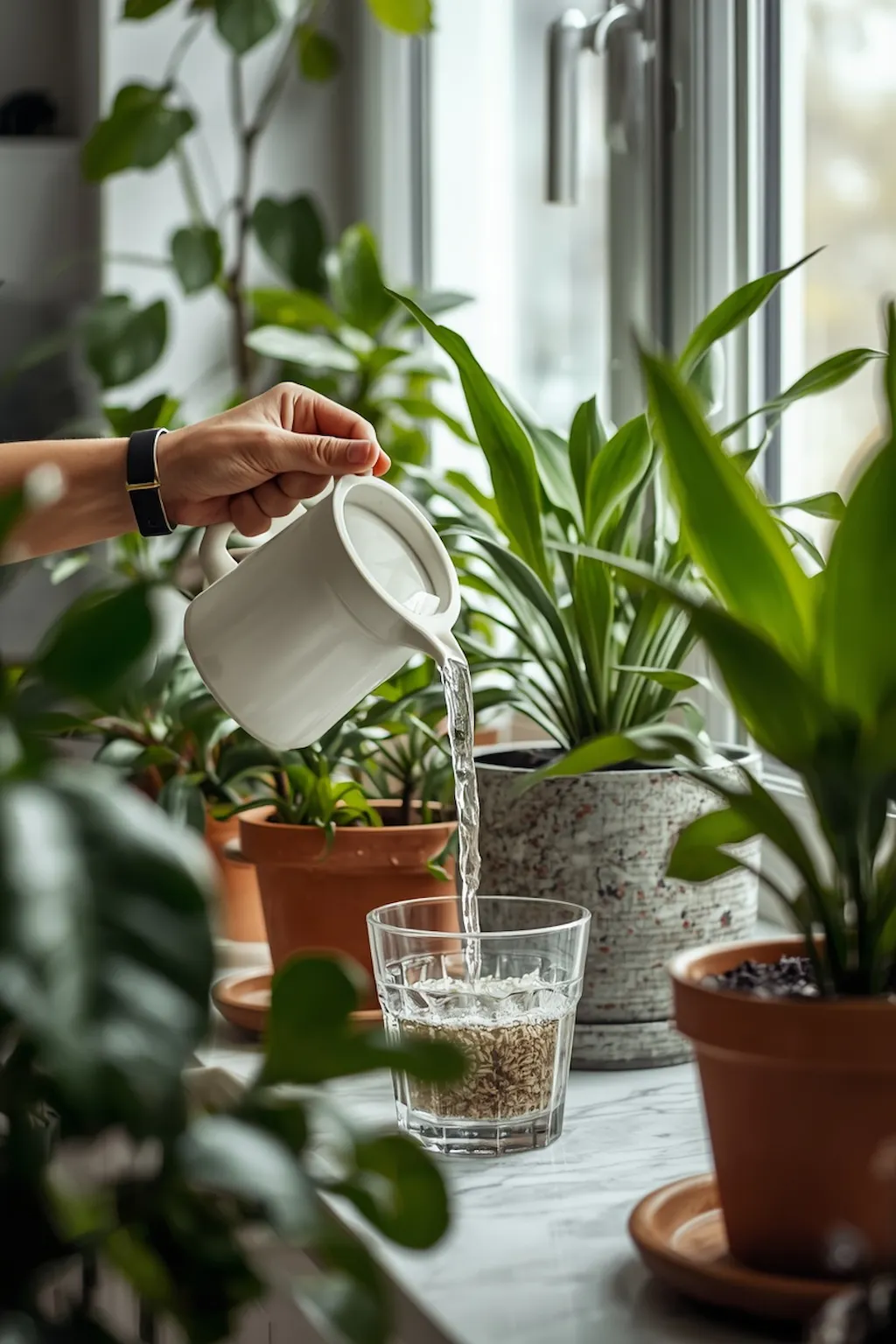
Leftover rice water contains nutrients that may help support plant growth.
After rinsing rice:
- Save the water
- Let it cool
- Use it on plants occasionally
It works well for many indoor plants.
12. Old Colanders Make Perfect Hanging Planters
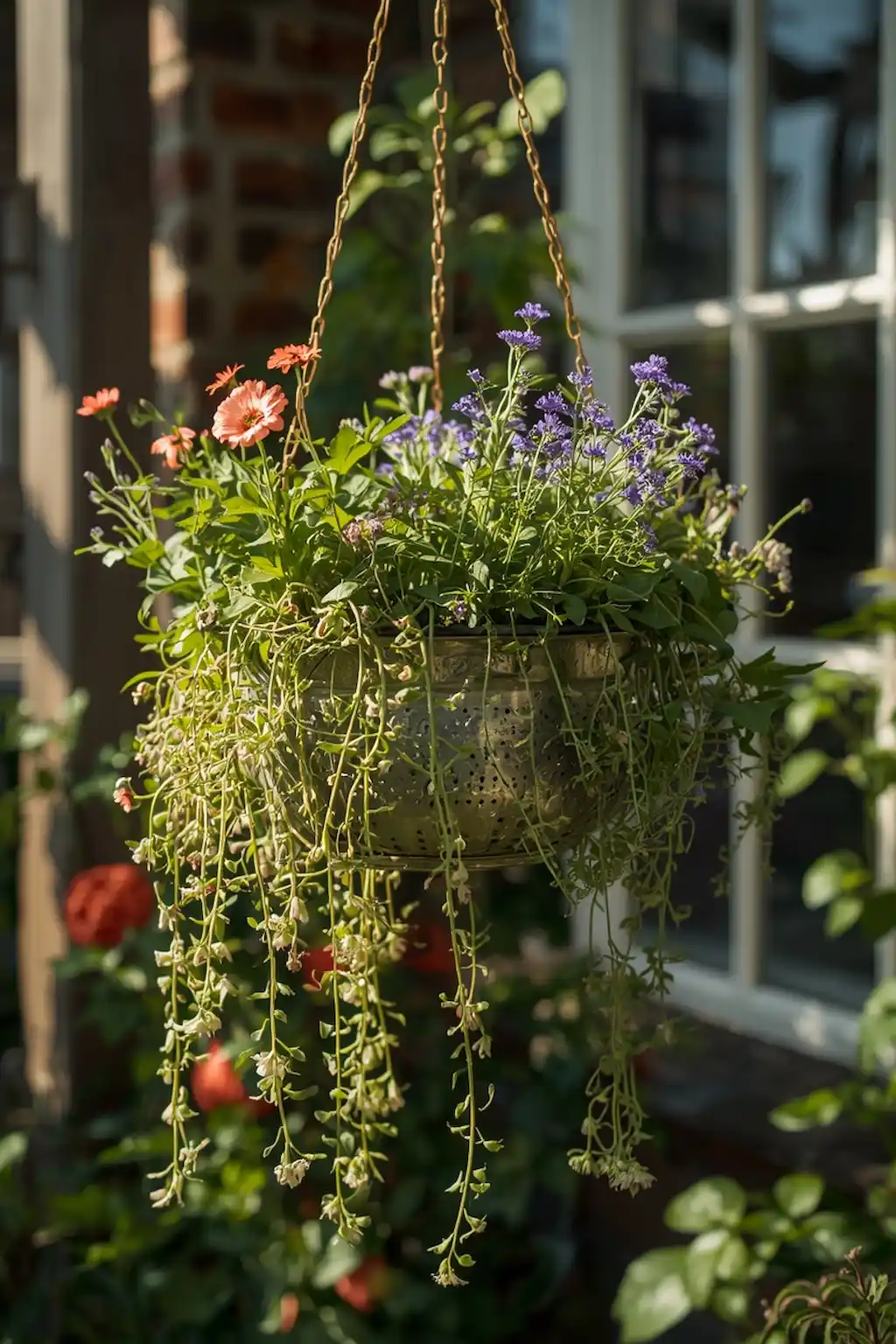
Unused kitchen colanders already have drainage holes, making them ideal for hanging baskets.
They look especially charming with:
- Herbs
- Trailing flowers
- Small strawberries
- Succulents
This creates a fun vintage garden look.
13. Newspaper Helps Block Weeds
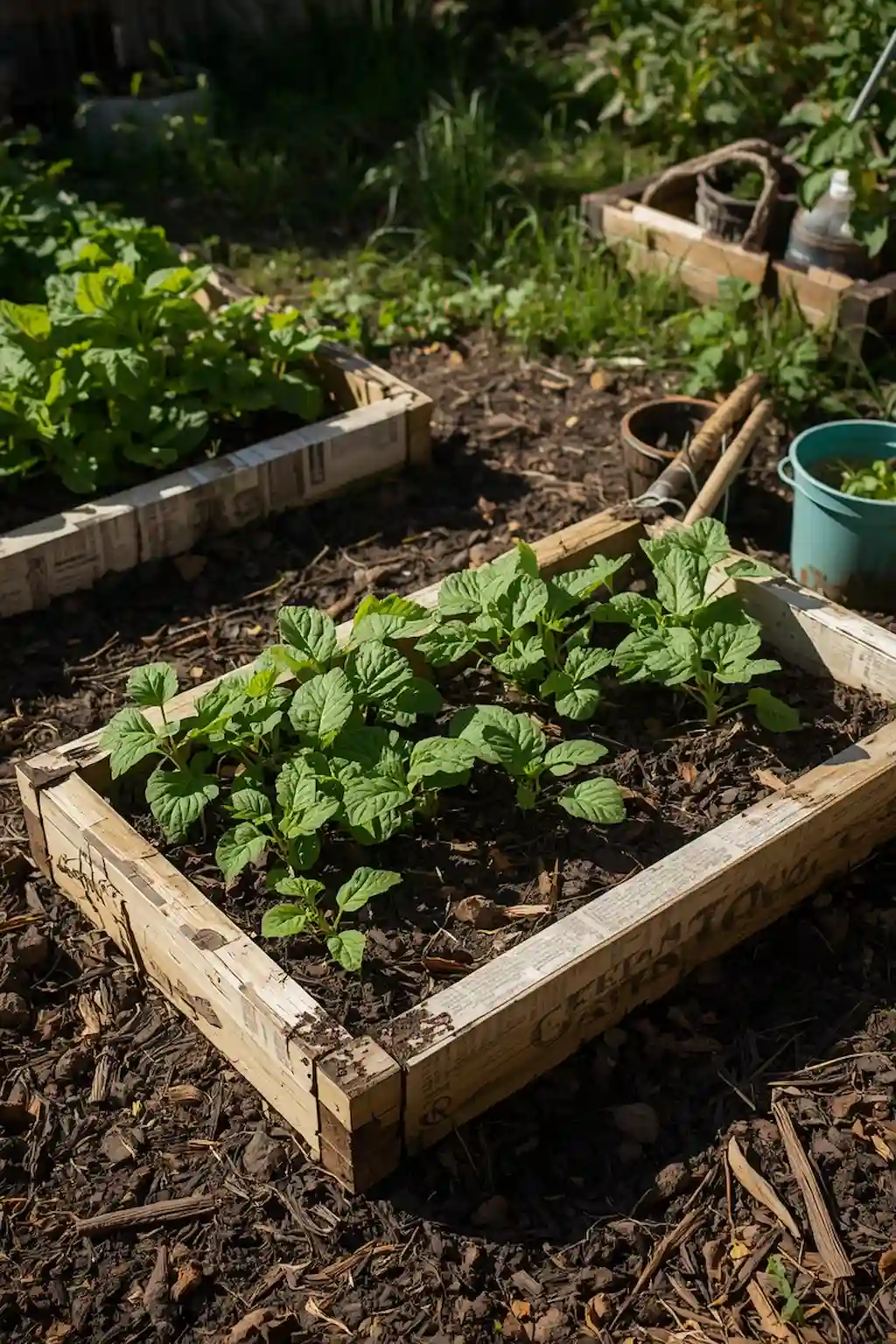
Layers of newspaper can act as natural weed barriers.
Place newspaper:
- Under mulch
- Around garden beds
- Between rows
It helps suppress weeds while breaking down naturally over time.
14. Use Epsom Salt for Greener Plants
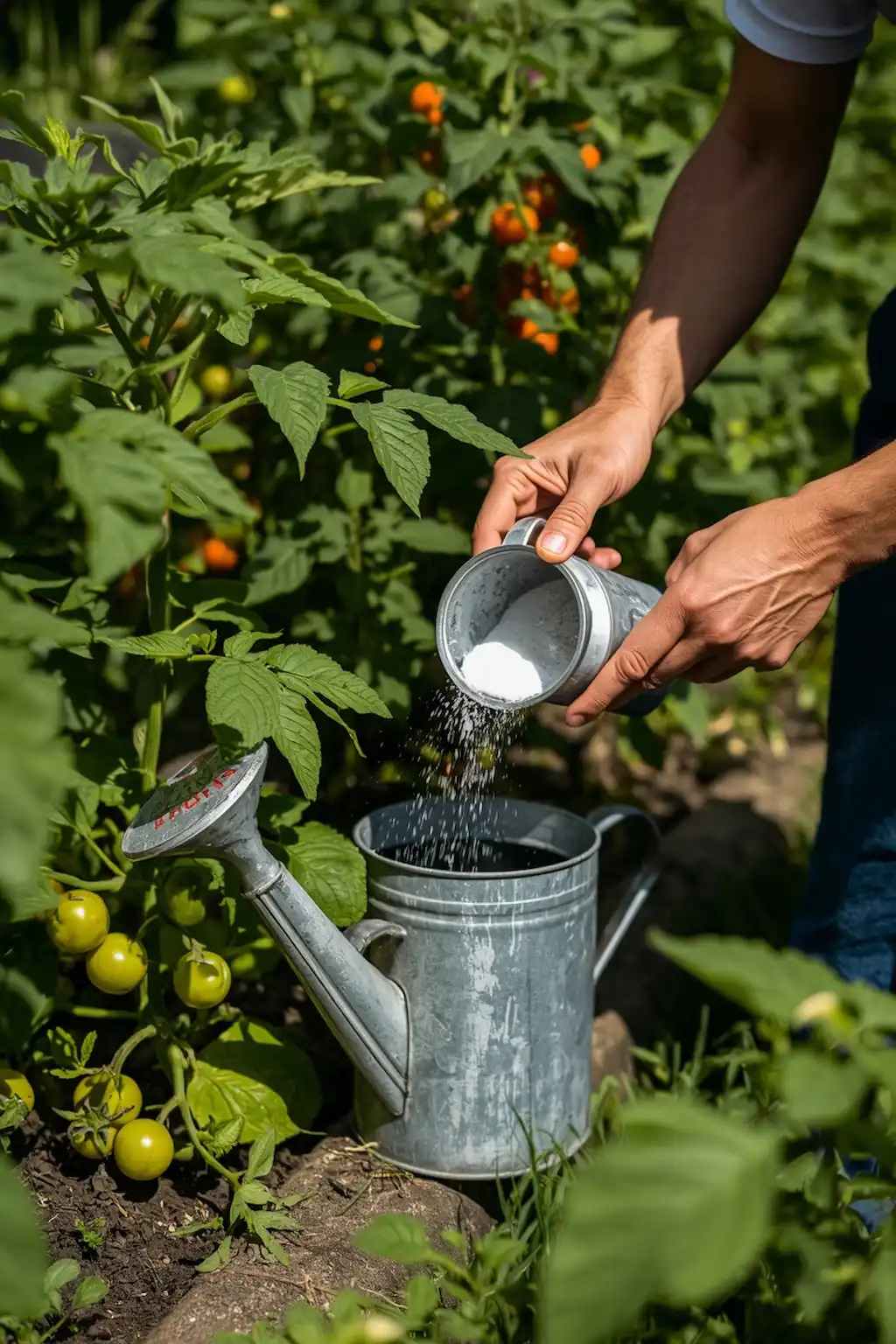
Epsom salt contains magnesium, which helps some plants produce greener leaves.
Popular uses include:
- Tomatoes
- Peppers
- Roses
- Houseplants
Mix a small amount into water before applying.
Fun Fact
Magnesium helps plants absorb sunlight more efficiently during photosynthesis.
15. Wine Corks Can Improve Drainage
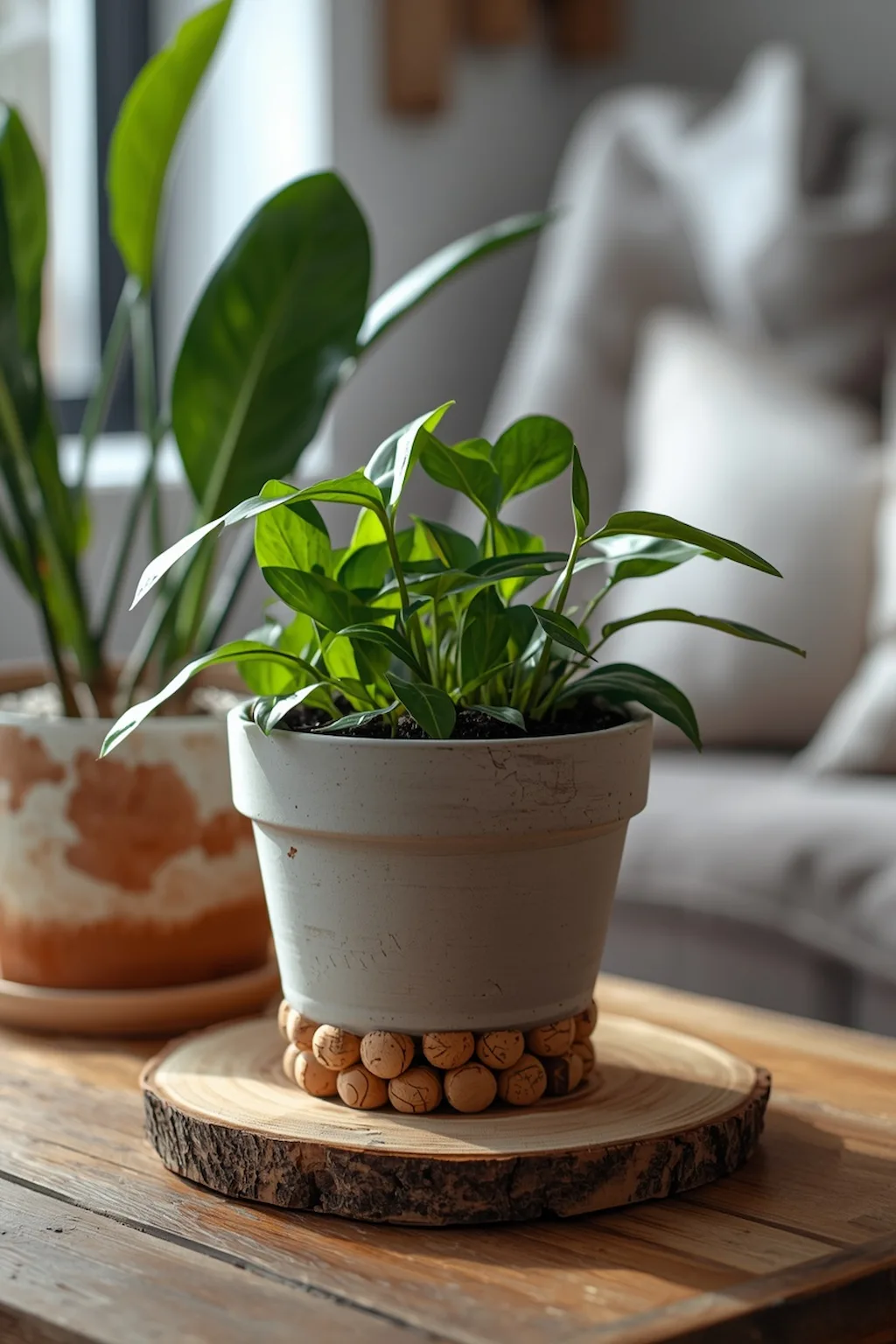
Adding wine cork pieces to the bottom of pots may help improve drainage and reduce excess moisture buildup.
This hack also helps reuse leftover corks creatively.
16. Use Old Forks to Keep Animals Away
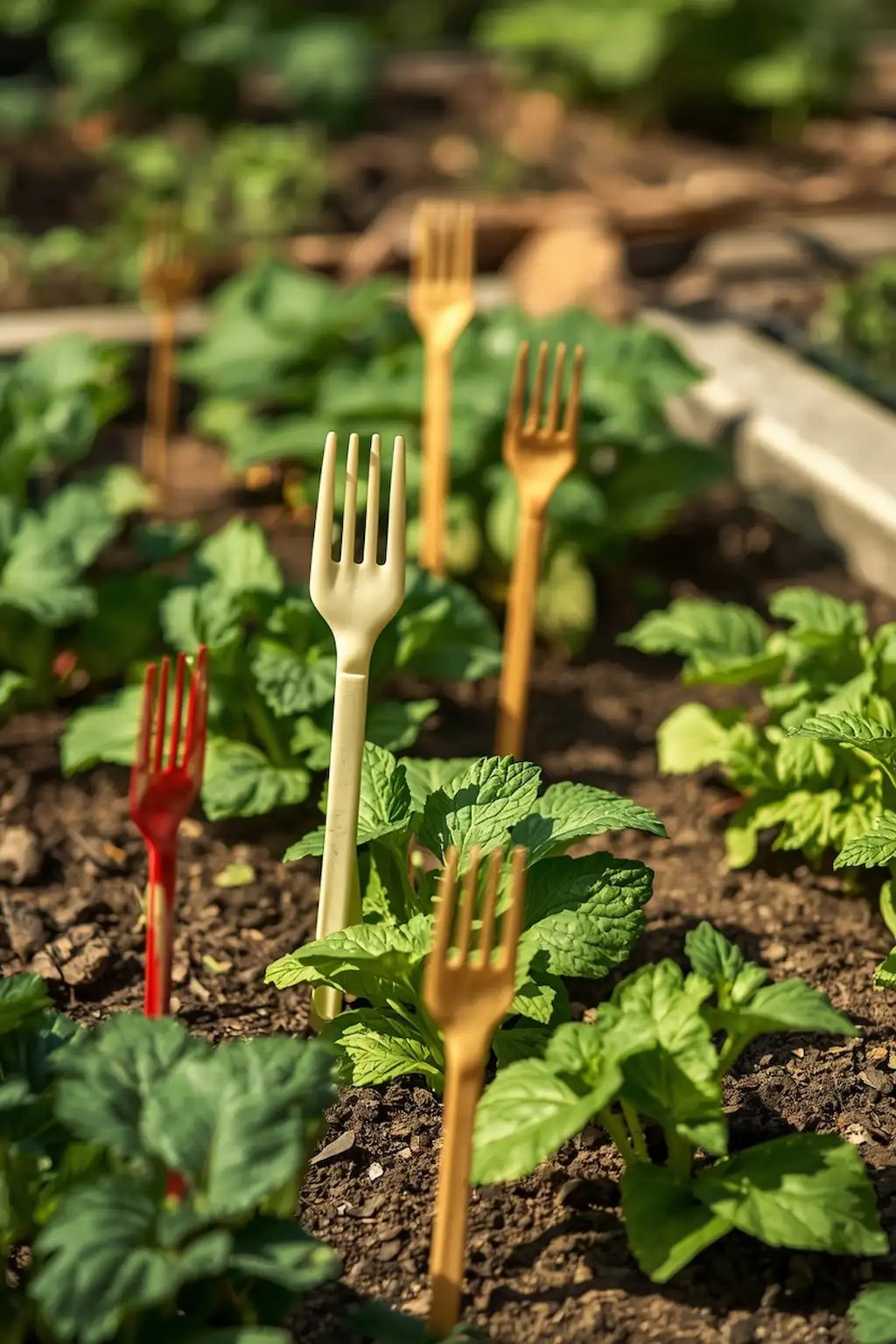
Plastic forks placed upright in garden beds can discourage squirrels, cats, and small animals from digging in the soil.
It’s a simple trick that works surprisingly well in small gardens.
17. Tea Bags Can Enrich Compost
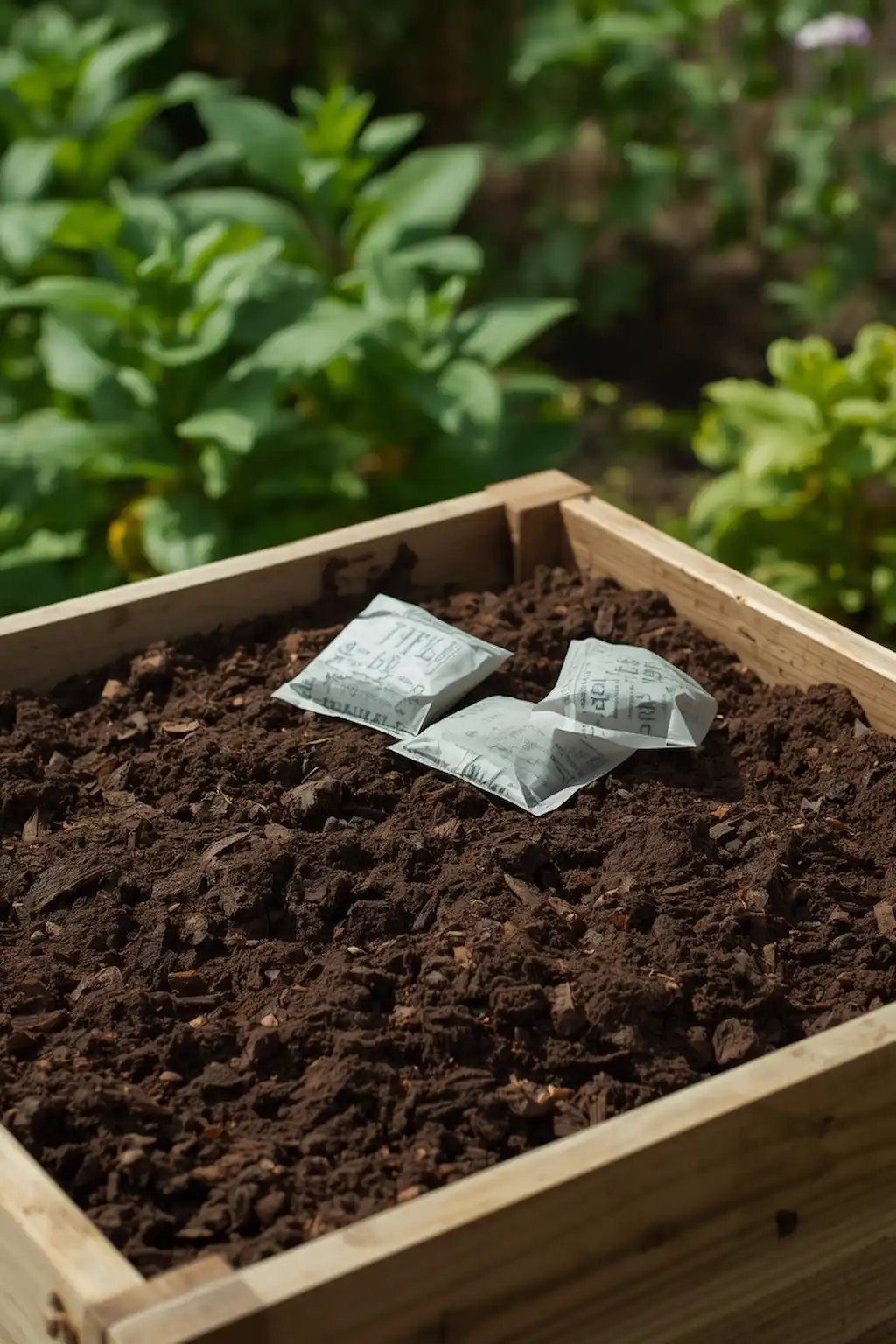
Used tea bags add organic matter to compost piles.
They can help:
- Improve compost texture
- Add nutrients
- Retain moisture
Always check that the tea bags are compostable first.
18. Use Mesh Produce Bags for Climbing Plants
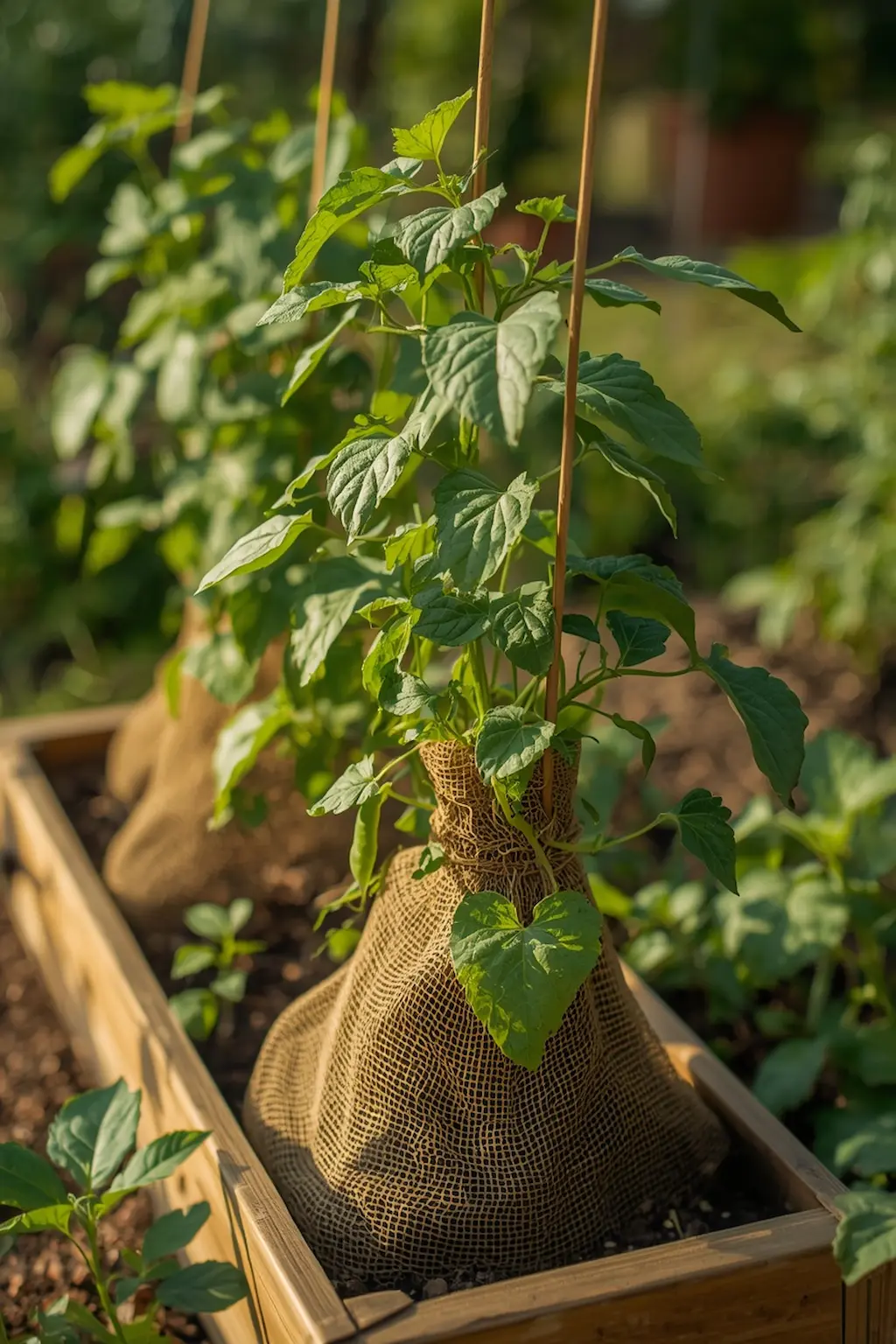
Old onion or produce bags can help support climbing vegetables like peas and cucumbers.
They work as lightweight plant supports while reducing waste.
19. Hydrogen Peroxide Can Help Roots
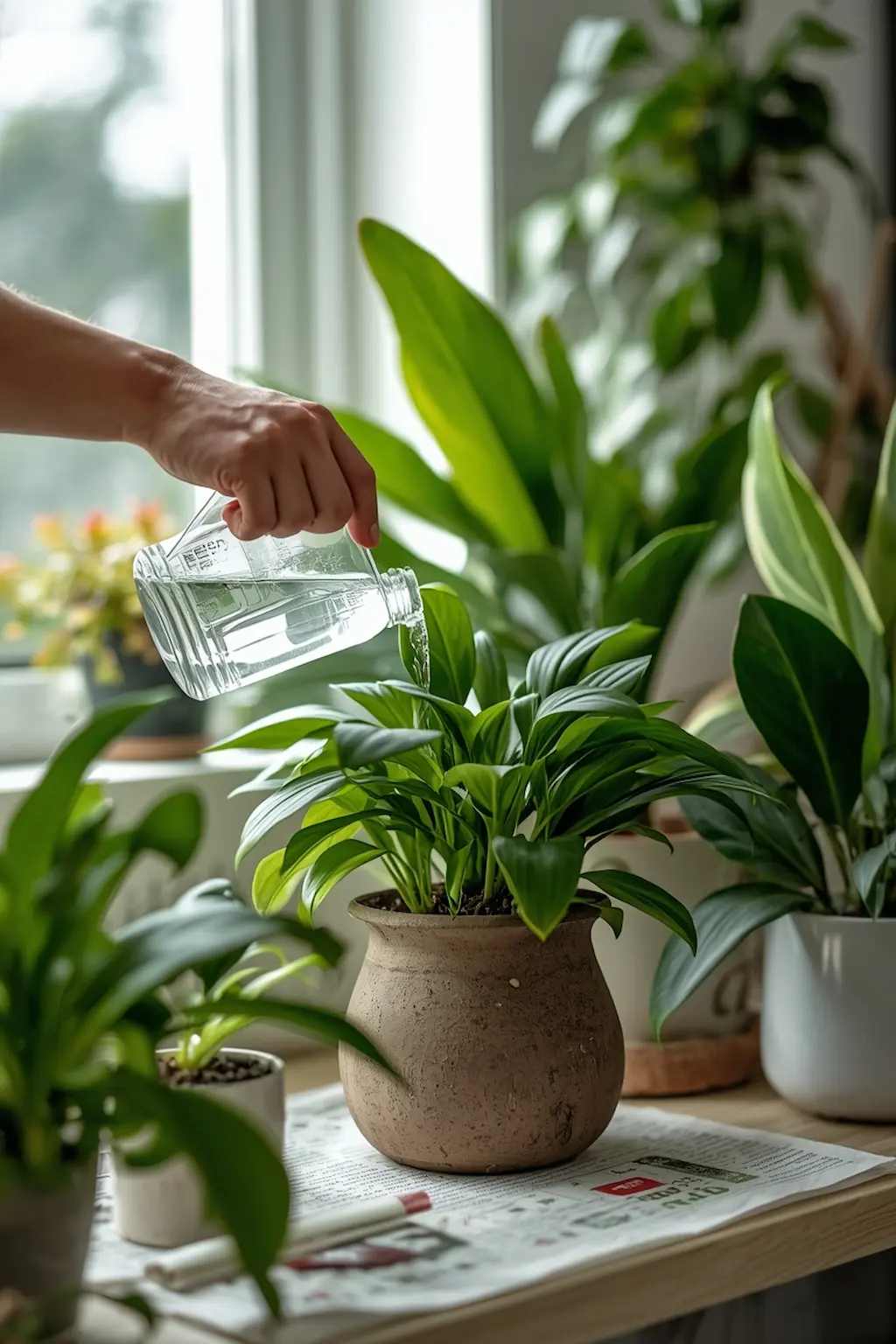
Diluted hydrogen peroxide may help improve oxygen levels in soil and reduce root rot issues.
Mix a very small amount with water before using around plants.
Important Note
Too much hydrogen peroxide can damage plants, so always dilute it properly.
20. Muffin Tins Help Space Seeds Perfectly
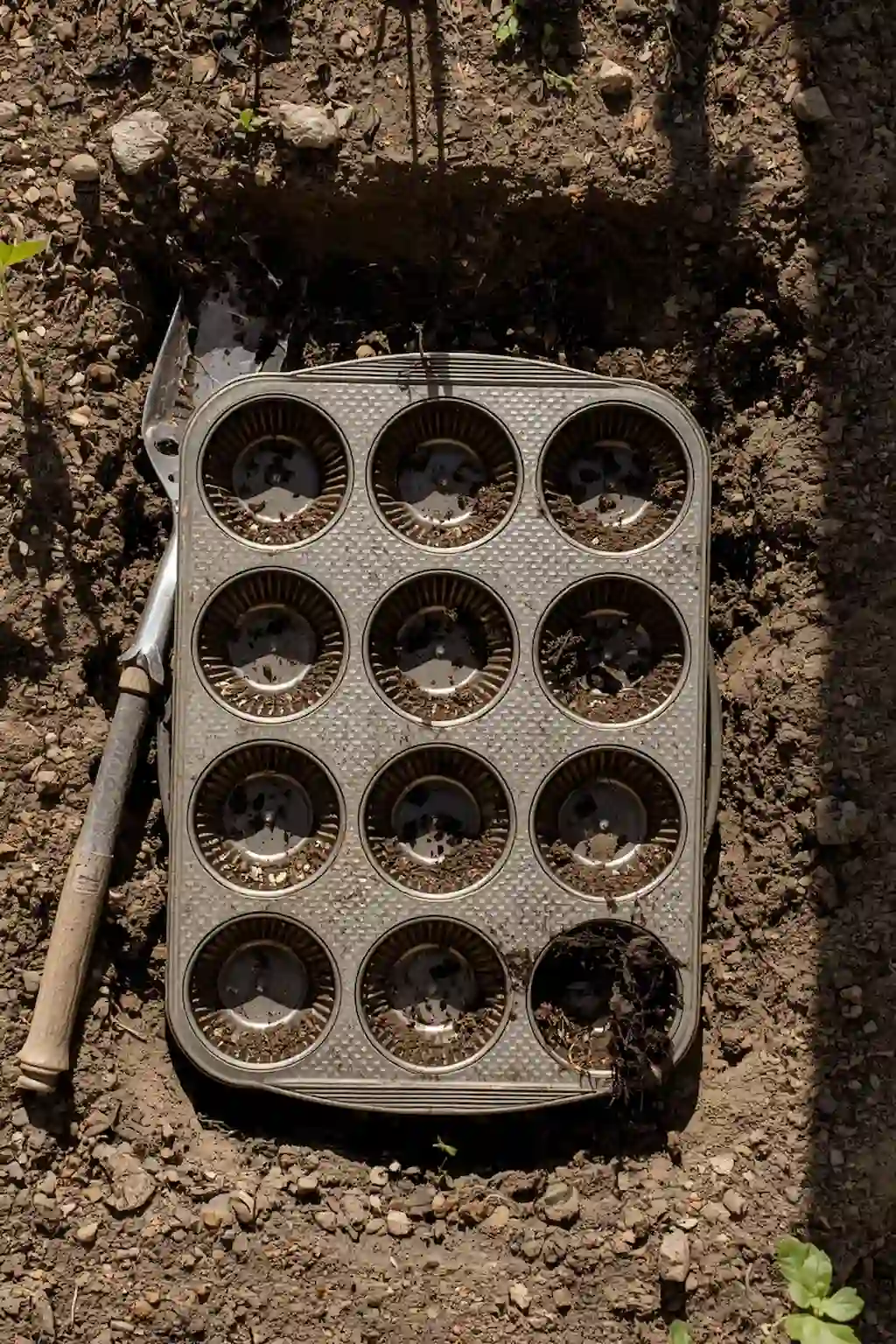
Pressing a muffin tin into soil creates evenly spaced planting holes for seeds.
This works great for:
- Lettuce
- Carrots
- Radishes
- Herbs
It saves time and creates neat garden rows.
21. Old Ladder as Vertical Plant Display
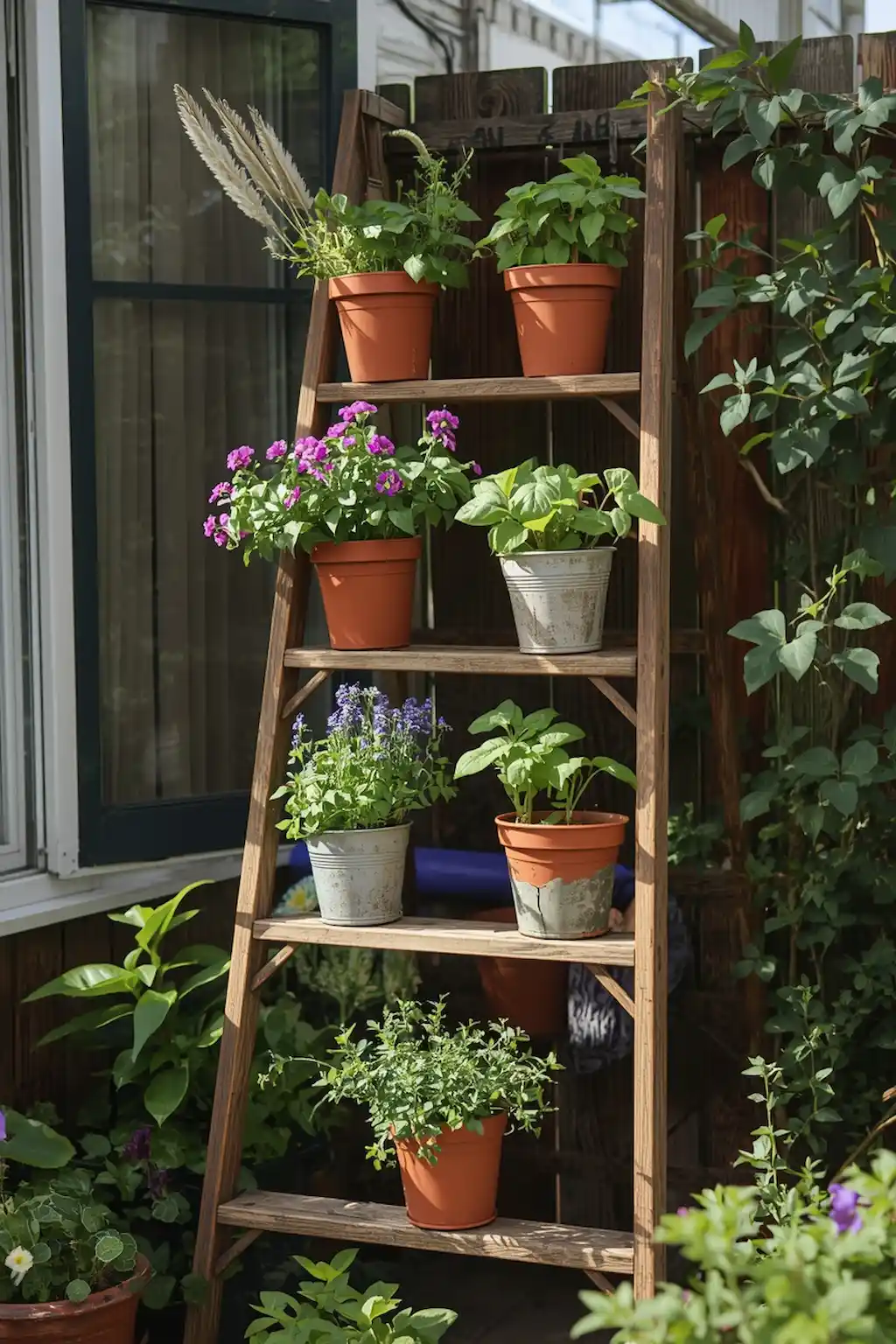
An old wooden ladder can become a beautiful vertical garden stand.
Use it for:
- Potted herbs
- Flowers
- Small containers
- Decorative plants
This is perfect for patios and small outdoor spaces.
22. Citrus Peels Can Deter Pests
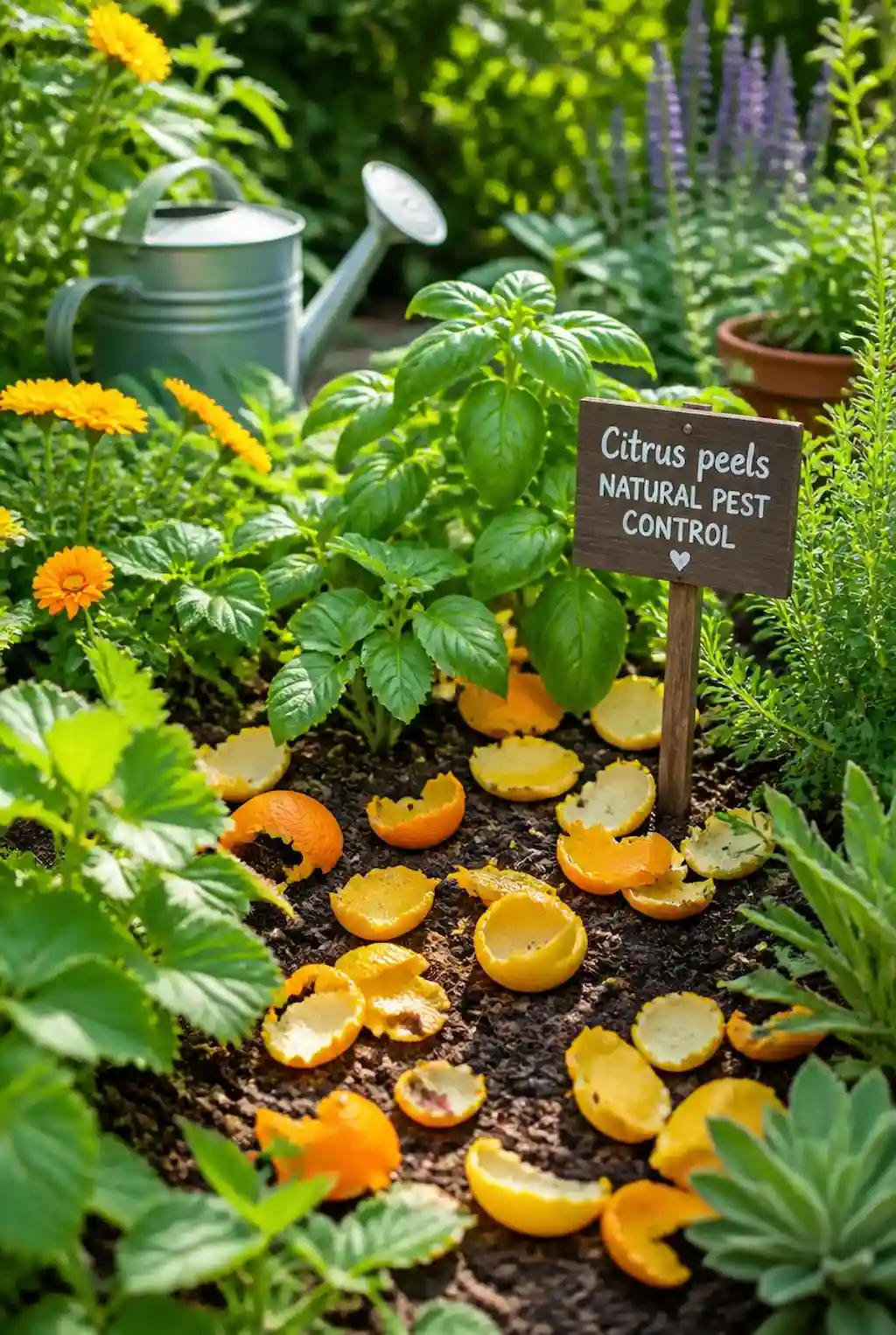
Orange and lemon peels may help discourage some insects naturally.
Scatter peels around plants or add them to compost for extra nutrients.
23. Shower Caddies Make Great Garden Organizers
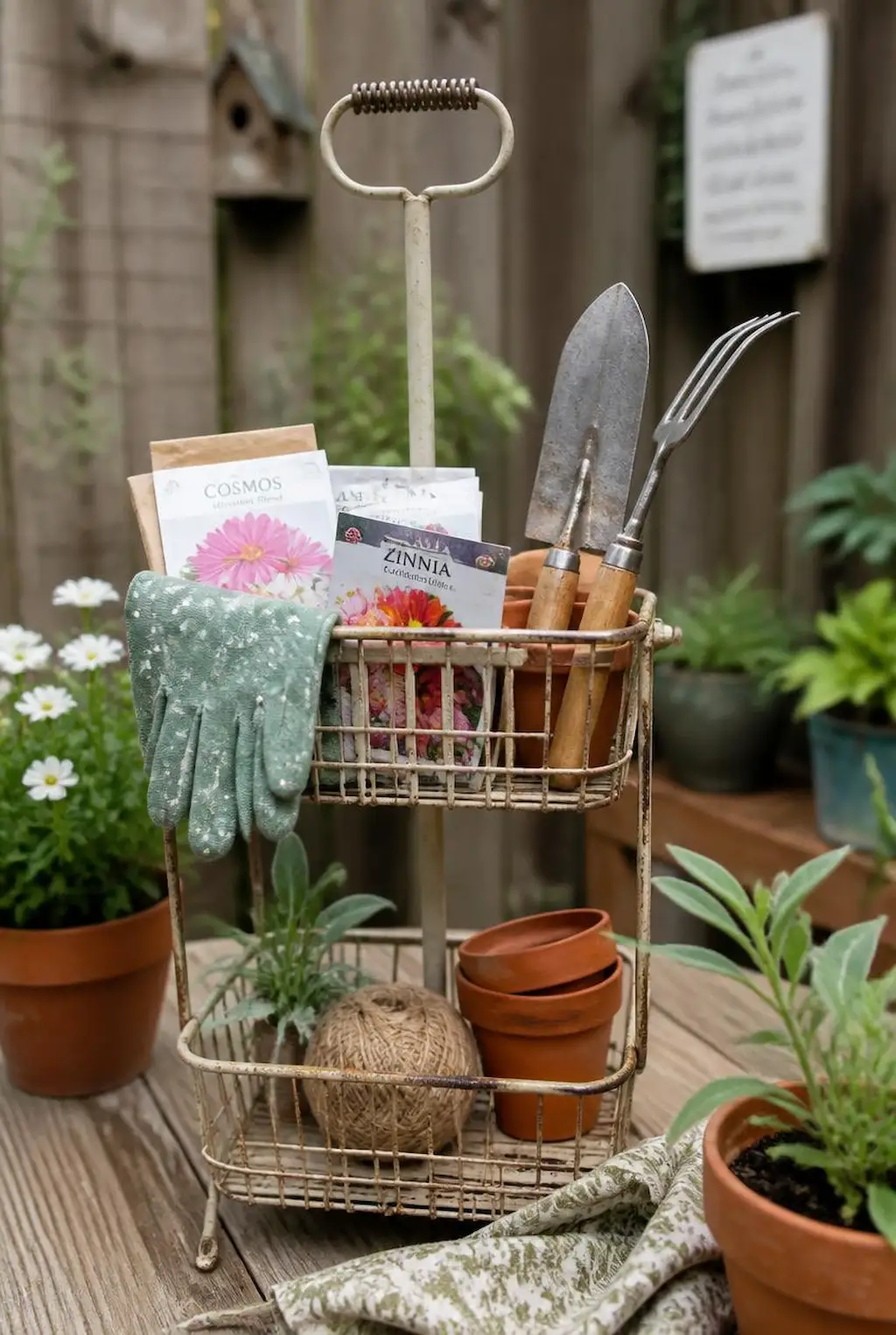
Old shower caddies can hold gardening tools, gloves, seed packets, and small supplies.
Portable organizers make gardening much more convenient.
24. Ice Cubes Can Water Small Indoor Plants
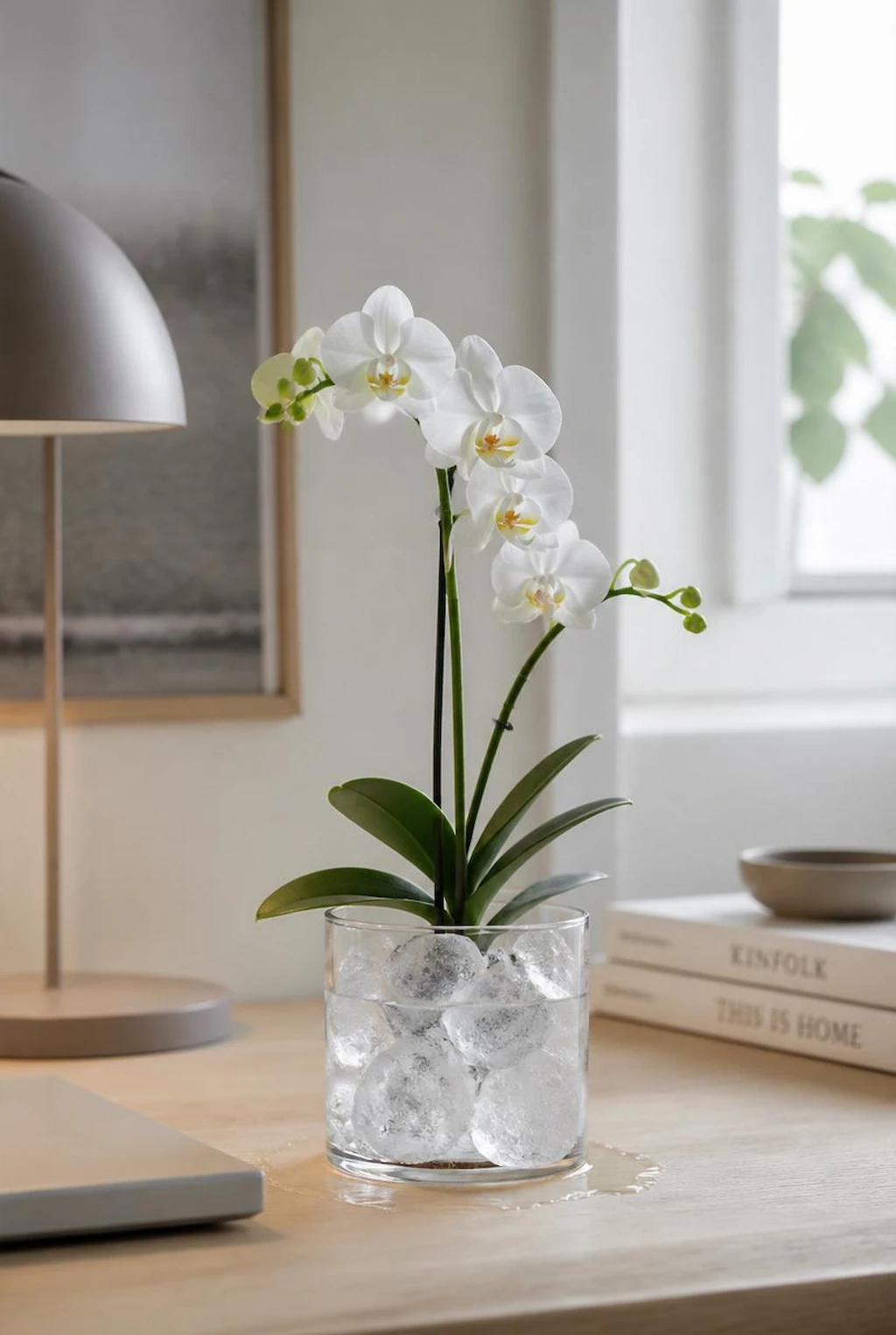
Ice cubes slowly melt and provide controlled watering for delicate indoor plants.
This hack works especially well for:
- Orchids
- Small succulents
- Desk plants
It helps prevent overwatering.
Why Gardening Hacks Are So Popular
More homeowners are turning to creative gardening ideas because they help reduce waste and save money.
Benefits of Household Gardening Hacks
- Budget-friendly
- Eco-friendly
- Easy for beginners
- Reduces household waste
- Makes gardening more efficient
Simple tricks often make gardening easier without requiring expensive tools or products.
Conclusion
You do not need fancy equipment or expensive supplies to create a thriving garden. Many everyday household items can become useful gardening tools with a little creativity.
From eggshell fertilizers to DIY watering systems and recycled containers, these gardening hacks make plant care easier, more affordable, and more sustainable. Small changes can make a big difference in helping your garden grow healthier while giving old household items a second life.


More Stories
10 Beautiful Lilac Garden Ideas for a Fragrant Spring Landscape
10 Beautiful Chrysanthemum Garden Ideas for Colorful Fall Displays
10 Beautiful Saffron Garden Ideas for a Colorful Backyard