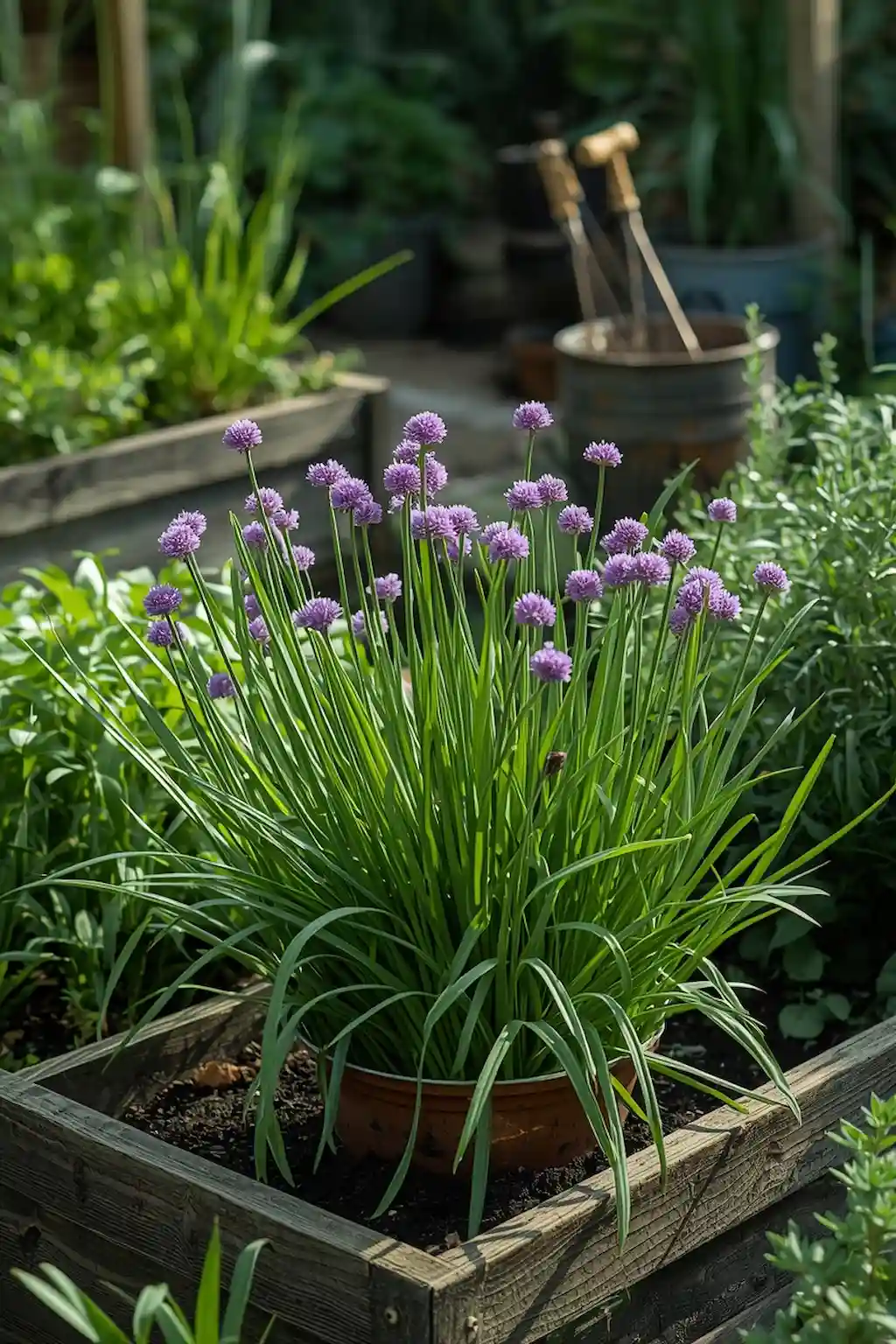
If you’re looking for an easy-to-grow herb that adds fresh flavor to your meals and beauty to your garden, chives are an excellent choice. These versatile herbs are popular among gardeners, home cooks, and herb enthusiasts because they require very little maintenance while providing plenty of benefits.
Chives belong to the onion family and are known for their slender green leaves and mild onion-like flavor. They can be grown in garden beds, containers, raised planters, and even on a sunny kitchen windowsill. Beyond their culinary uses, chives also produce attractive purple flowers that can brighten up any outdoor space.
Whether you’re a beginner gardener or an experienced plant lover, these simple ideas will help you grow and enjoy chives at home.
What Are Chives?
Chives are perennial herbs that belong to the allium family, which also includes onions, garlic, and leeks. They are prized for their delicate green stalks and mild flavor that enhances a wide variety of dishes.
Unlike larger onion varieties, chives are grown primarily for their leaves rather than their bulbs. They can be harvested repeatedly throughout the growing season, making them one of the most rewarding herbs to grow at home.
Benefits of Growing Chives
Chives are popular because they are both beautiful and practical. They require little care, grow quickly, and can thrive in many different environments.
Benefits Include:
- Easy to grow for beginners.
- Attractive edible flowers.
- Great for container gardening.
- Helps attract pollinators.
- Adds fresh flavor to meals.
- Returns year after year in many climates.
1. Kitchen Windowsill Chives
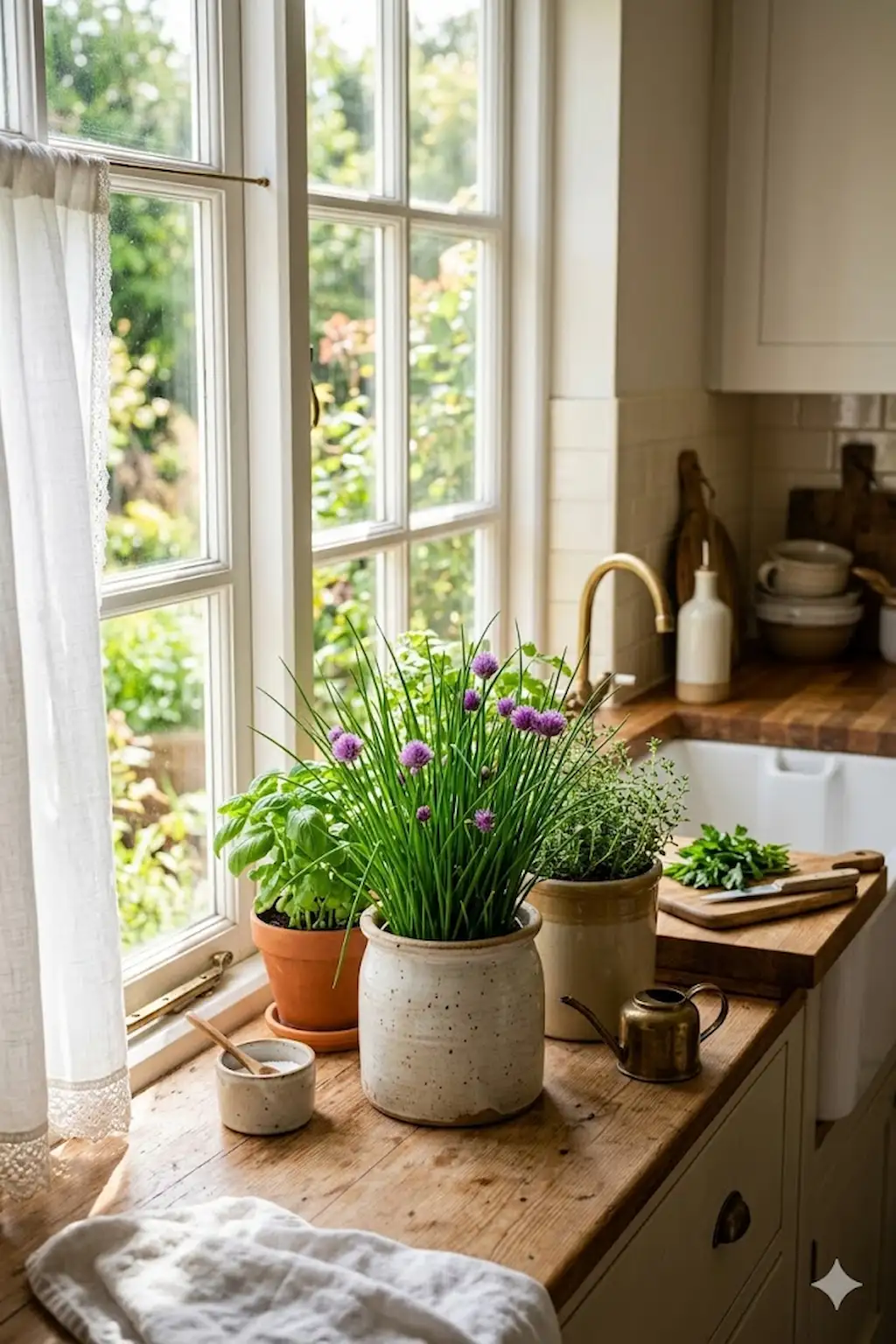
One of the easiest ways to grow chives is on a sunny kitchen windowsill. A small pot placed near natural light provides easy access whenever you need fresh herbs while cooking.
The bright green leaves also add a touch of natural beauty to your kitchen.
Tips:
- Use a pot with drainage holes.
- Place near a sunny window.
- Water when soil feels dry.
- Harvest regularly.
2. Container Chive Garden
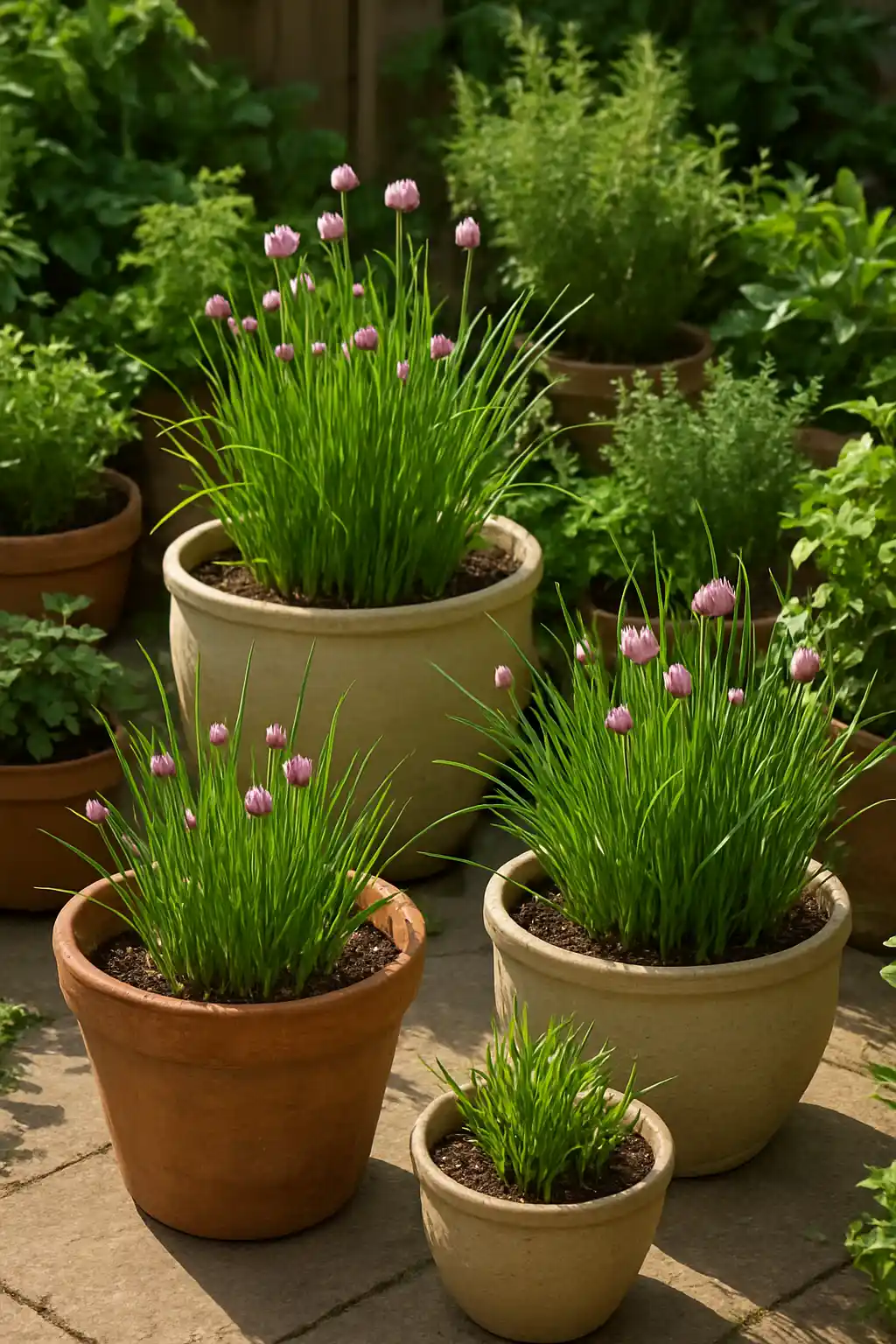
Containers are perfect for growing chives in small spaces. Whether you have a patio, balcony, or porch, a simple planter can provide a steady supply of fresh herbs.
Containers also allow you to move the plants as needed to ensure they receive adequate sunlight.
Tips:
- Choose a medium-sized container.
- Use high-quality potting soil.
- Water consistently.
- Fertilize lightly.
3. Raised Bed Herb Garden
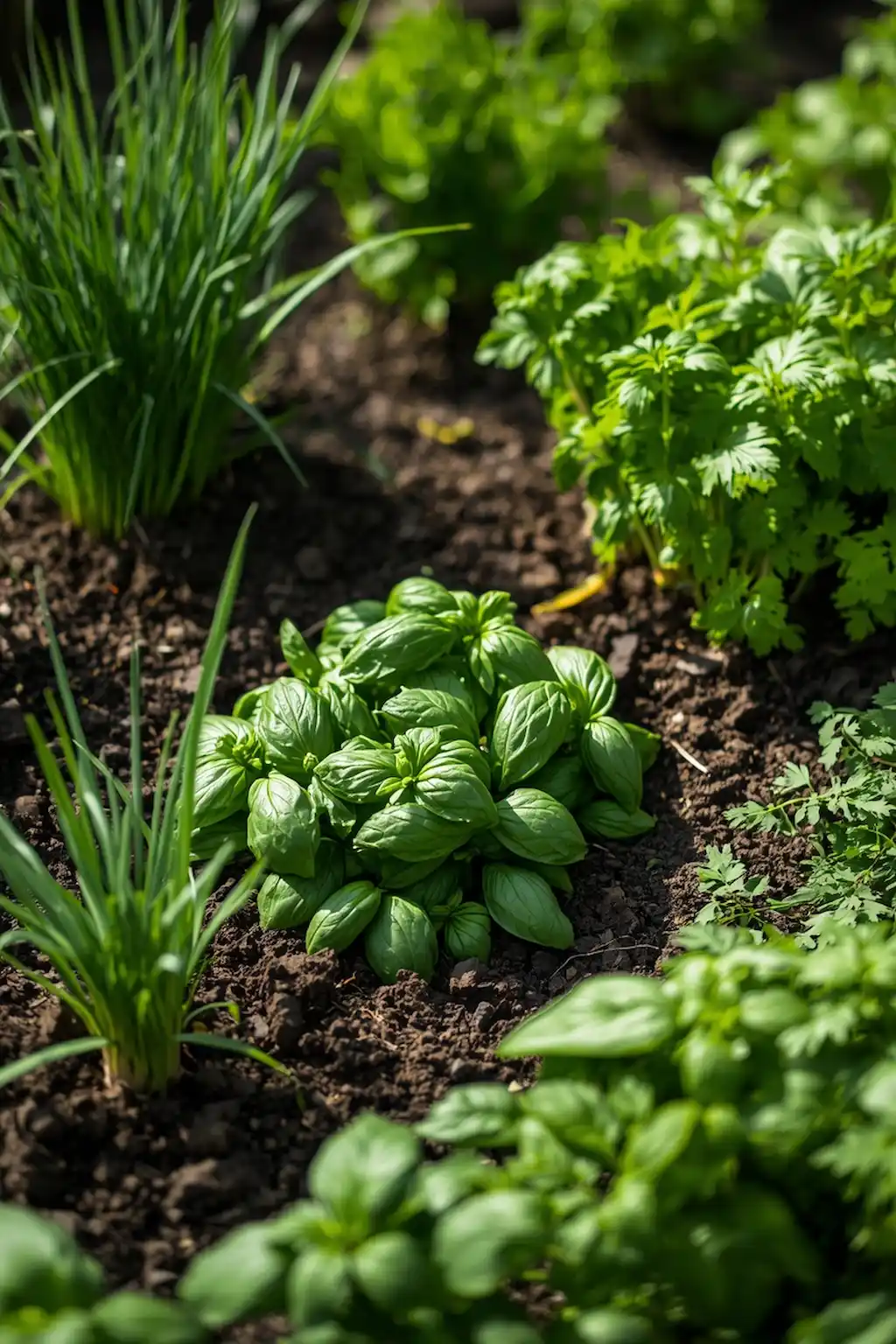
Raised beds provide excellent drainage and make herb gardening more organized. Chives grow beautifully alongside other culinary herbs such as basil, parsley, and thyme.
This setup creates an attractive and productive herb garden that’s easy to maintain.
Tips:
- Plant in full sun.
- Space plants properly.
- Combine with other herbs.
- Mulch to retain moisture.
4. Companion Planting With Chives
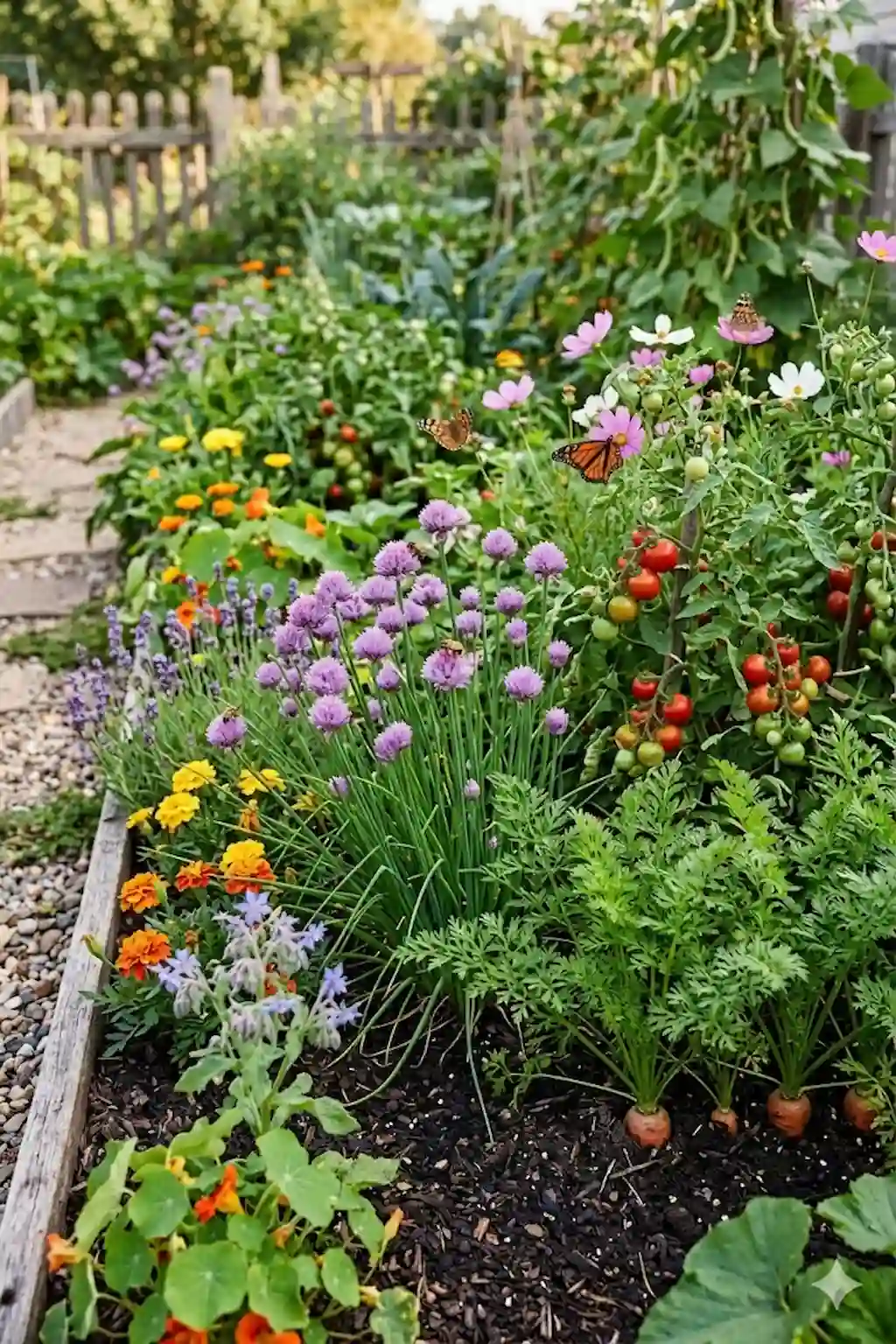
Many gardeners use chives as companion plants because they may help deter certain pests while attracting beneficial pollinators.
Planting them near vegetables and flowers can improve both the appearance and health of your garden.
Tips:
- Plant near tomatoes.
- Grow beside carrots.
- Mix with flowering plants.
- Encourage pollinators.
5. Cottage Garden Chives

Chives fit perfectly into cottage-style gardens thanks to their soft foliage and charming purple blooms. Their flowers blend beautifully with traditional cottage garden favorites.
The combination creates a relaxed and colorful landscape.
Tips:
- Allow flowers to bloom.
- Mix with perennials.
- Create layered planting designs.
- Use natural color combinations.
6. Indoor Herb Station
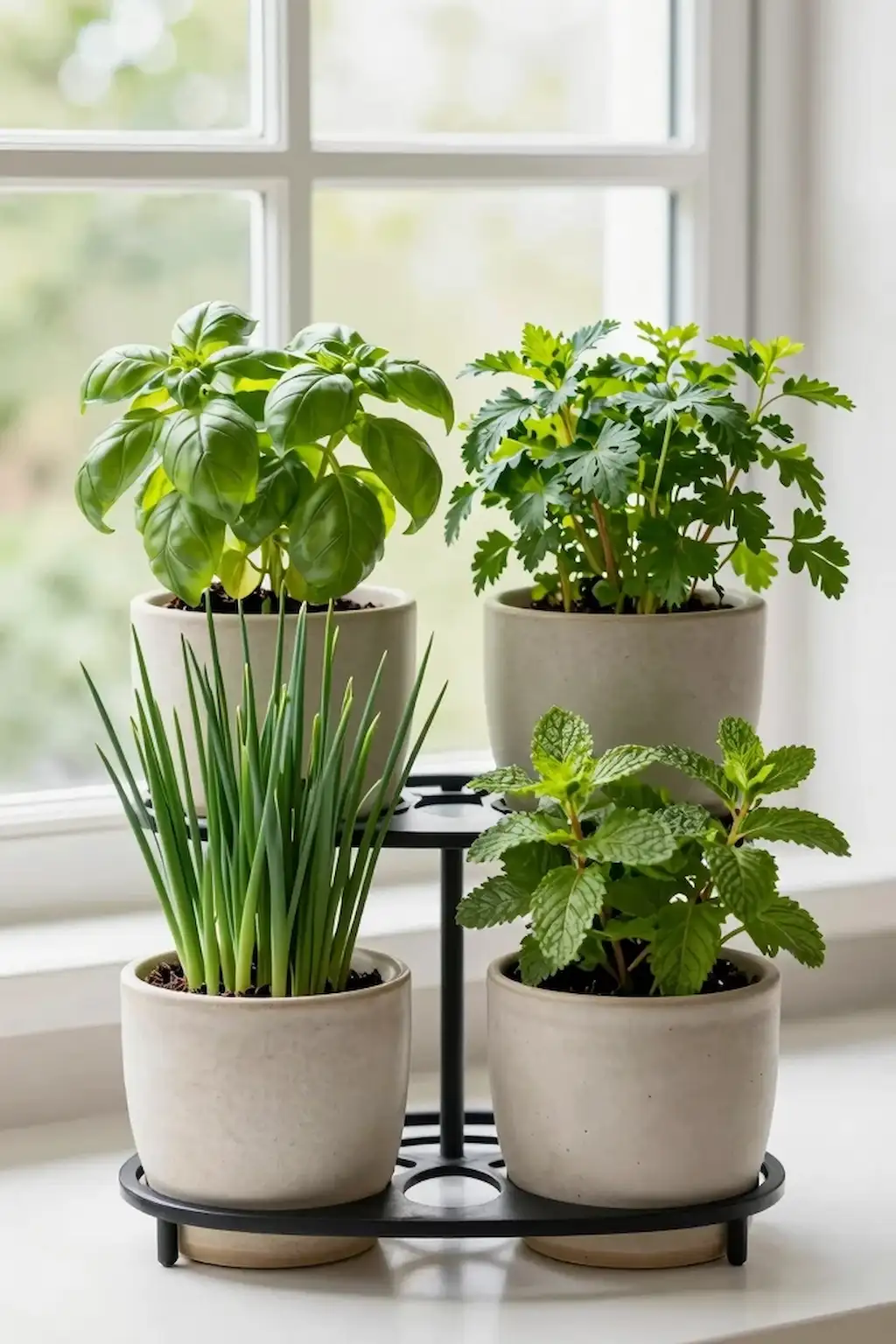
A dedicated indoor herb station can keep fresh herbs available year-round. Chives thrive indoors when given enough sunlight and occasional watering.
Grouping herbs together also creates an attractive green display.
Tips:
- Use matching pots.
- Provide bright light.
- Rotate containers regularly.
- Harvest often.
7. Hanging Planter Chives
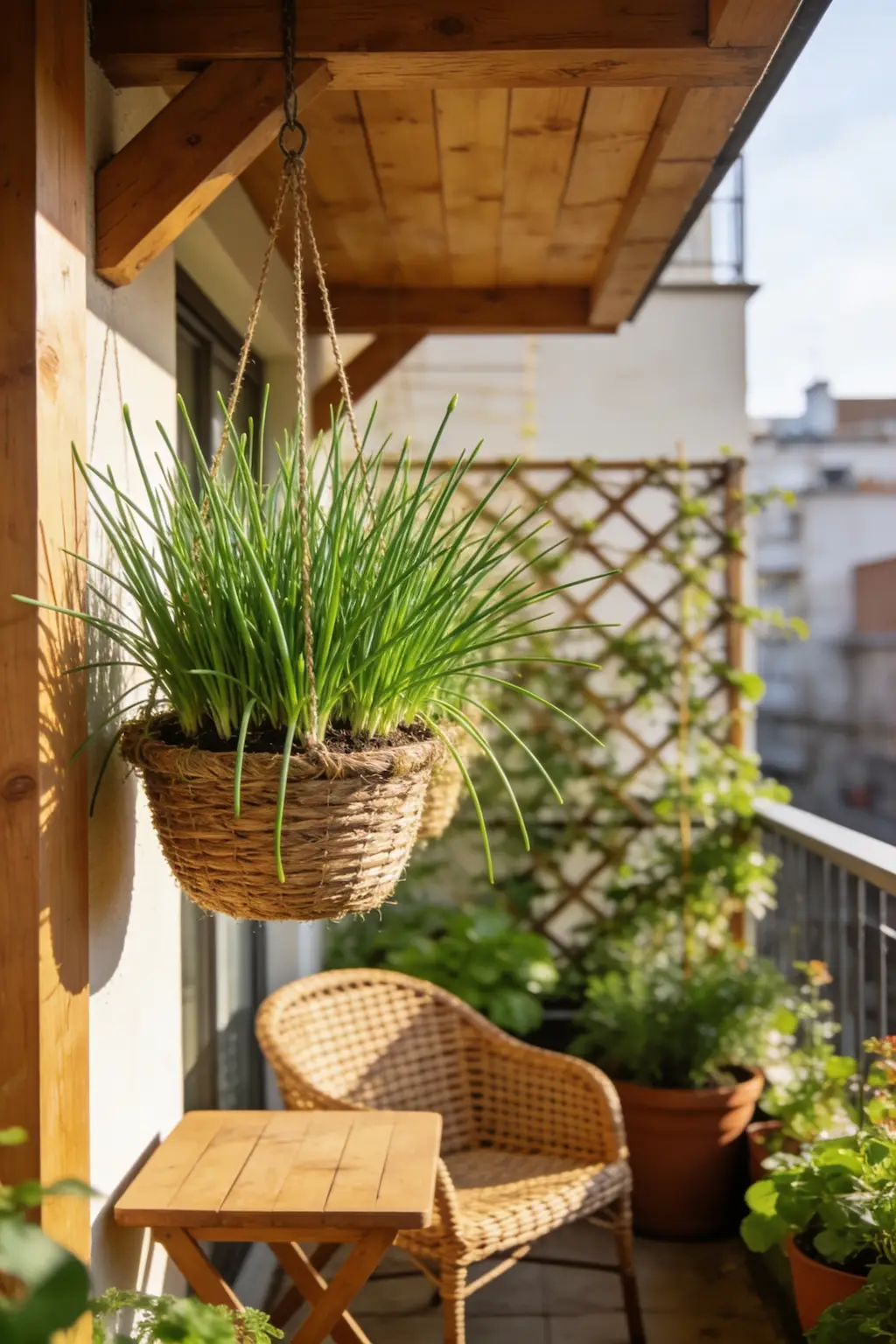
Hanging planters are a creative way to grow herbs when floor space is limited. Chives grow surprisingly well in elevated containers.
This approach adds greenery to balconies, patios, and small outdoor areas.
Tips:
- Choose sturdy hanging baskets.
- Ensure proper drainage.
- Water more frequently.
- Place in sunny locations.
8. Organic Herb Garden
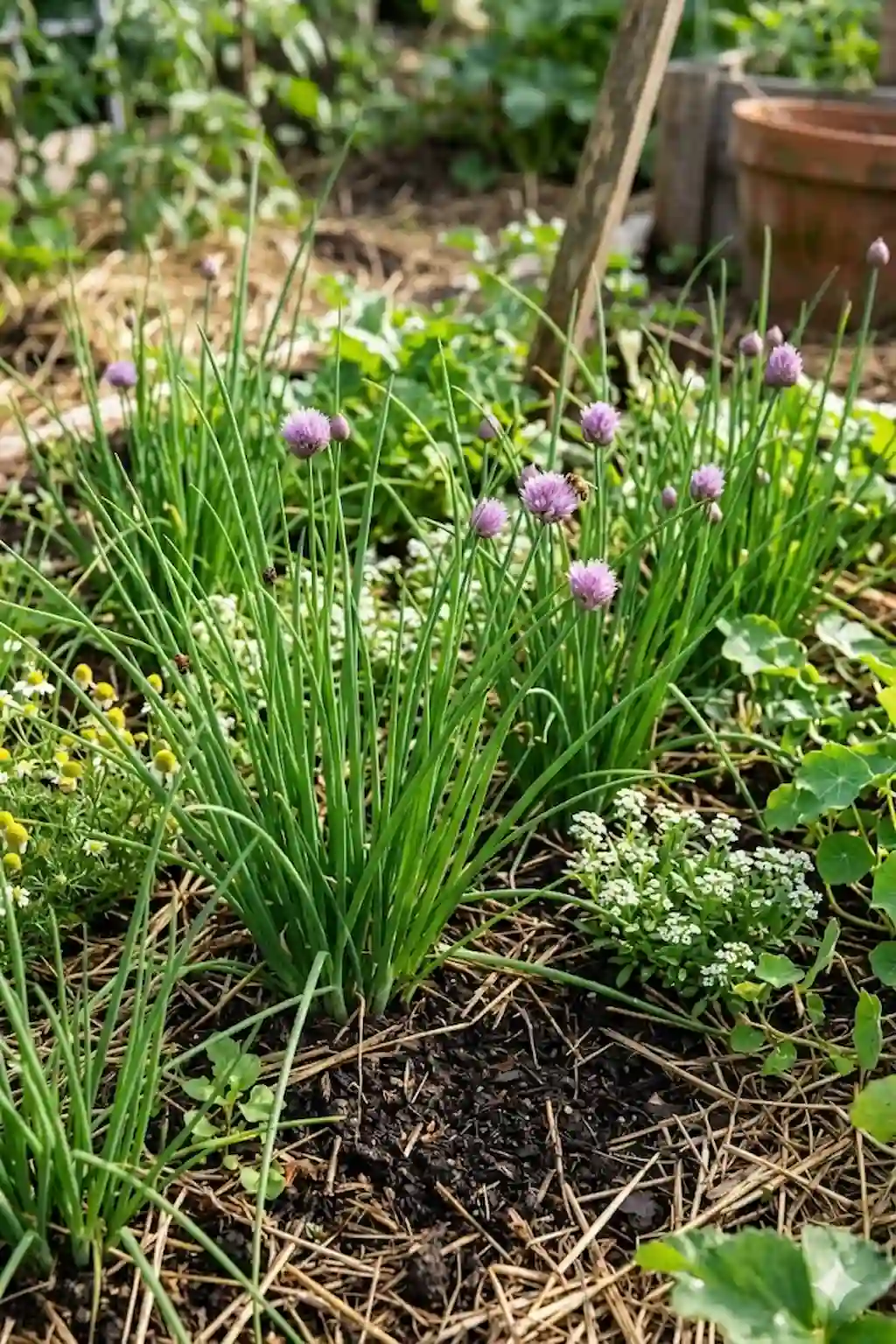
Chives are naturally easy to grow without relying on harsh chemicals. An organic herb garden provides fresh ingredients while supporting environmentally friendly gardening practices.
Healthy soil and regular watering are often all they need.
Tips:
- Use compost-rich soil.
- Avoid chemical pesticides.
- Mulch around plants.
- Encourage beneficial insects.
9. Balcony Chive Garden
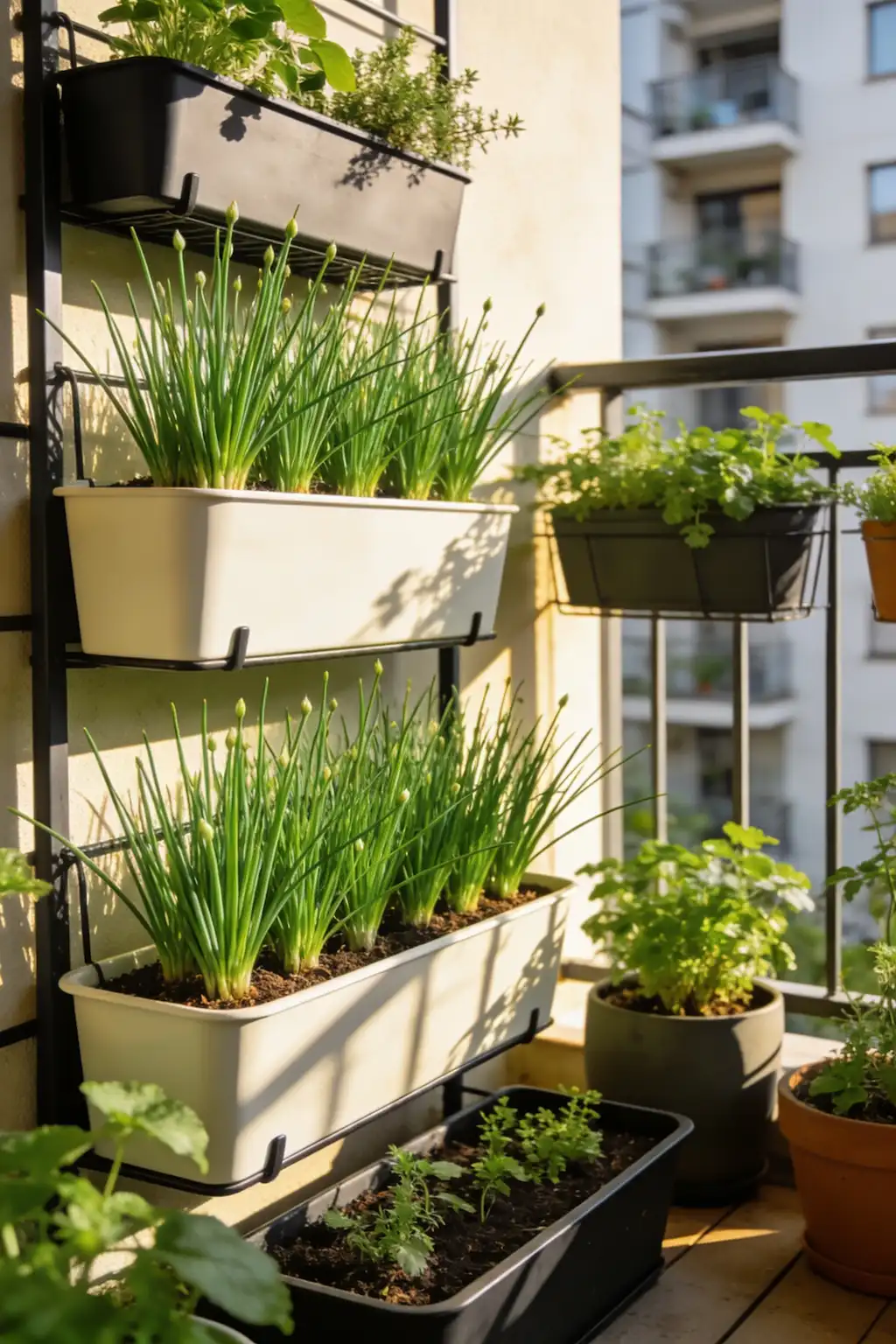
Even apartment dwellers can enjoy growing chives. A small balcony provides enough space for several containers filled with fresh herbs.
This setup allows urban gardeners to enjoy homegrown ingredients despite limited outdoor space.
Tips:
- Use vertical gardening solutions.
- Choose compact containers.
- Maximize sunlight exposure.
- Water consistently.
10. Chive Flower Display
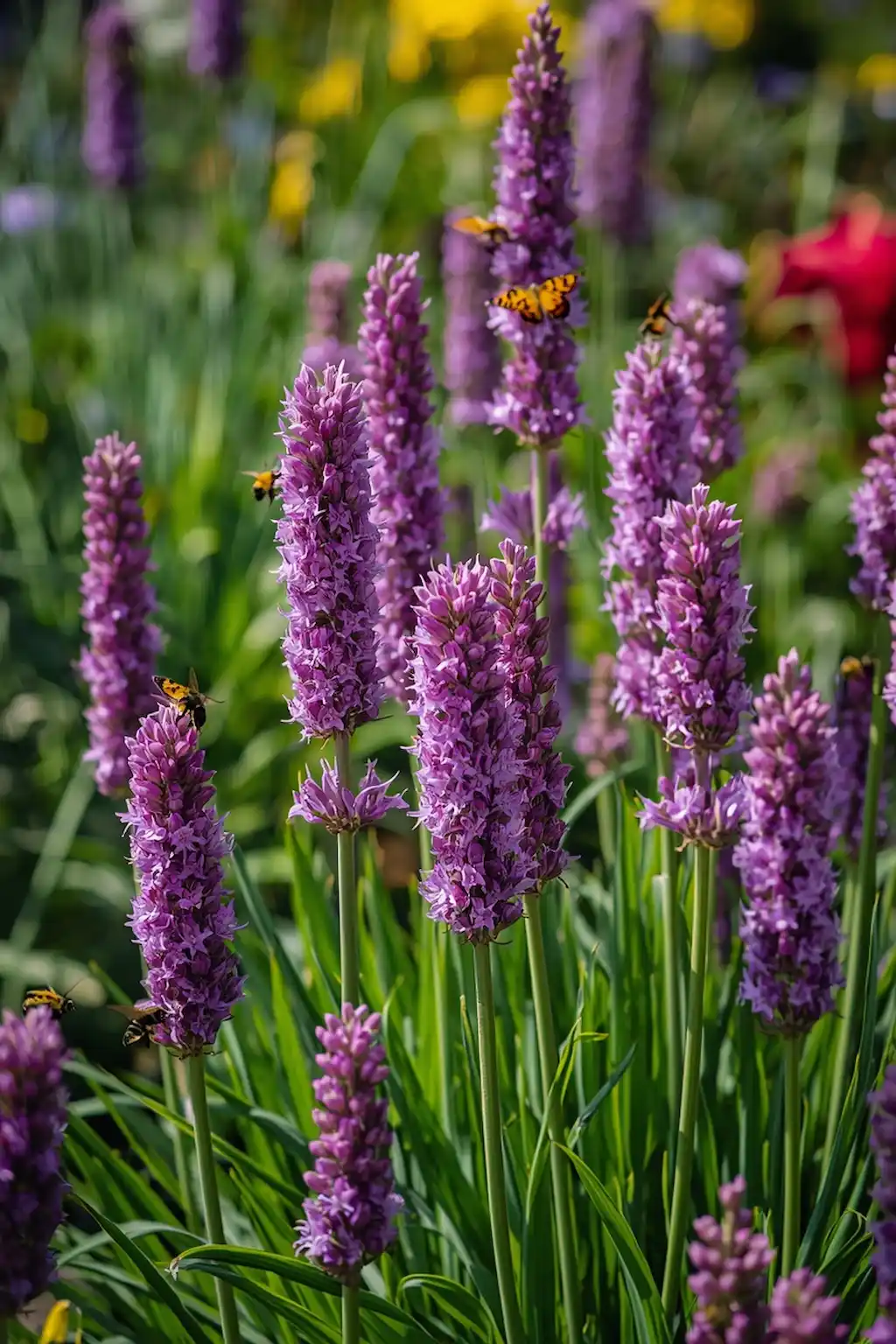
Many people don’t realize that chive flowers are both beautiful and edible. Their purple blooms can add color to gardens and decorative appeal to meals.
Allowing a few plants to flower creates a stunning visual display during the growing season.
Tips:
- Leave some flowers unharvested.
- Attract pollinators.
- Use blooms as garnishes.
- Enjoy seasonal color.
11. Fresh Salad Garnish
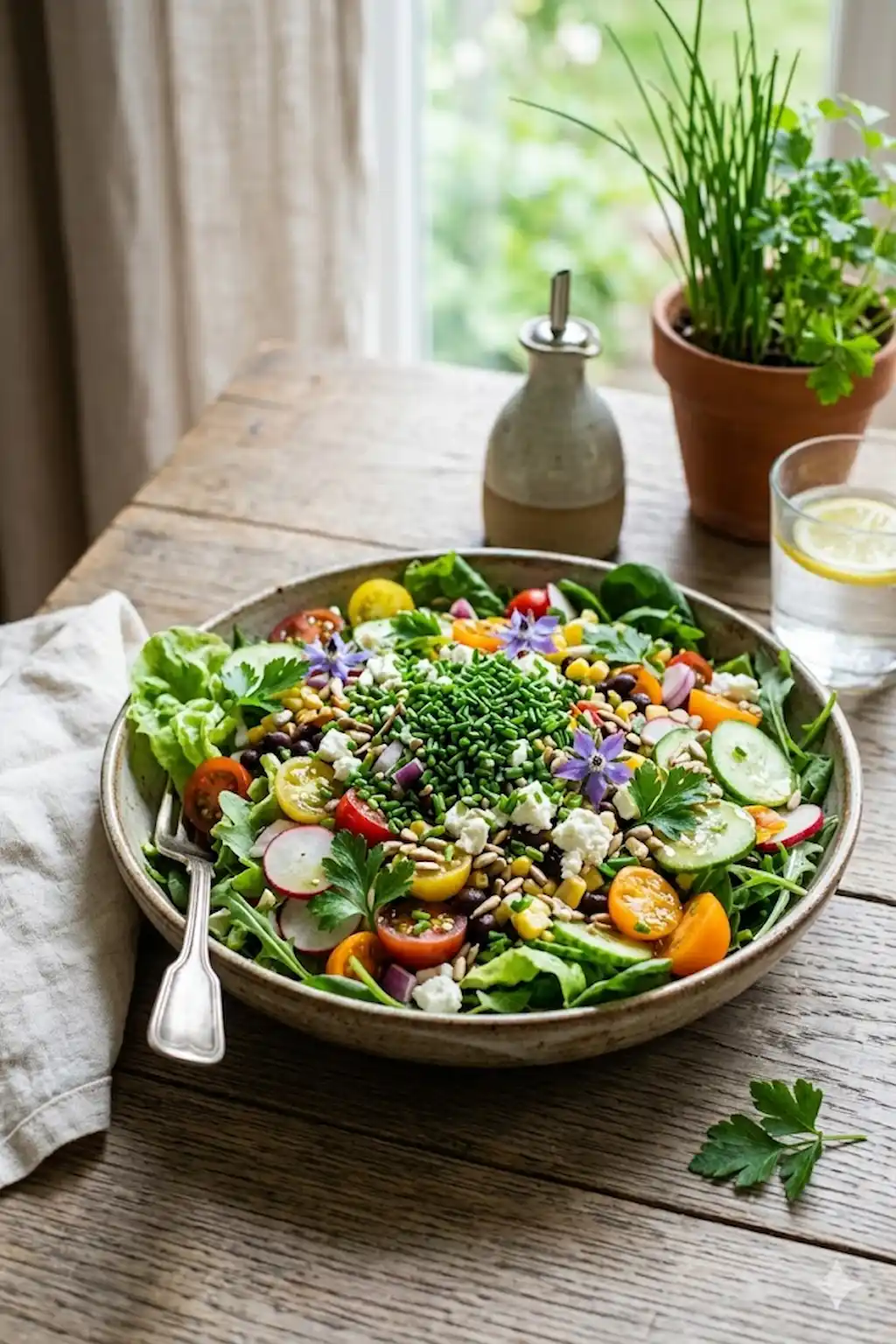
Freshly chopped chives add flavor, color, and texture to salads. Their mild onion taste complements vegetables without overpowering other ingredients.
They are one of the easiest herbs to incorporate into everyday meals.
Tips:
- Harvest fresh before serving.
- Chop finely.
- Pair with leafy greens.
- Add just before eating.
12. Homemade Herb Butter

Chives are a classic ingredient in homemade herb butter. Mixed with softened butter, they create a delicious topping for bread, vegetables, and grilled dishes.
It’s a simple way to elevate everyday meals.
Tips:
- Use fresh chives.
- Mix with softened butter.
- Store in the refrigerator.
- Experiment with other herbs.
13. Garden Border Planting
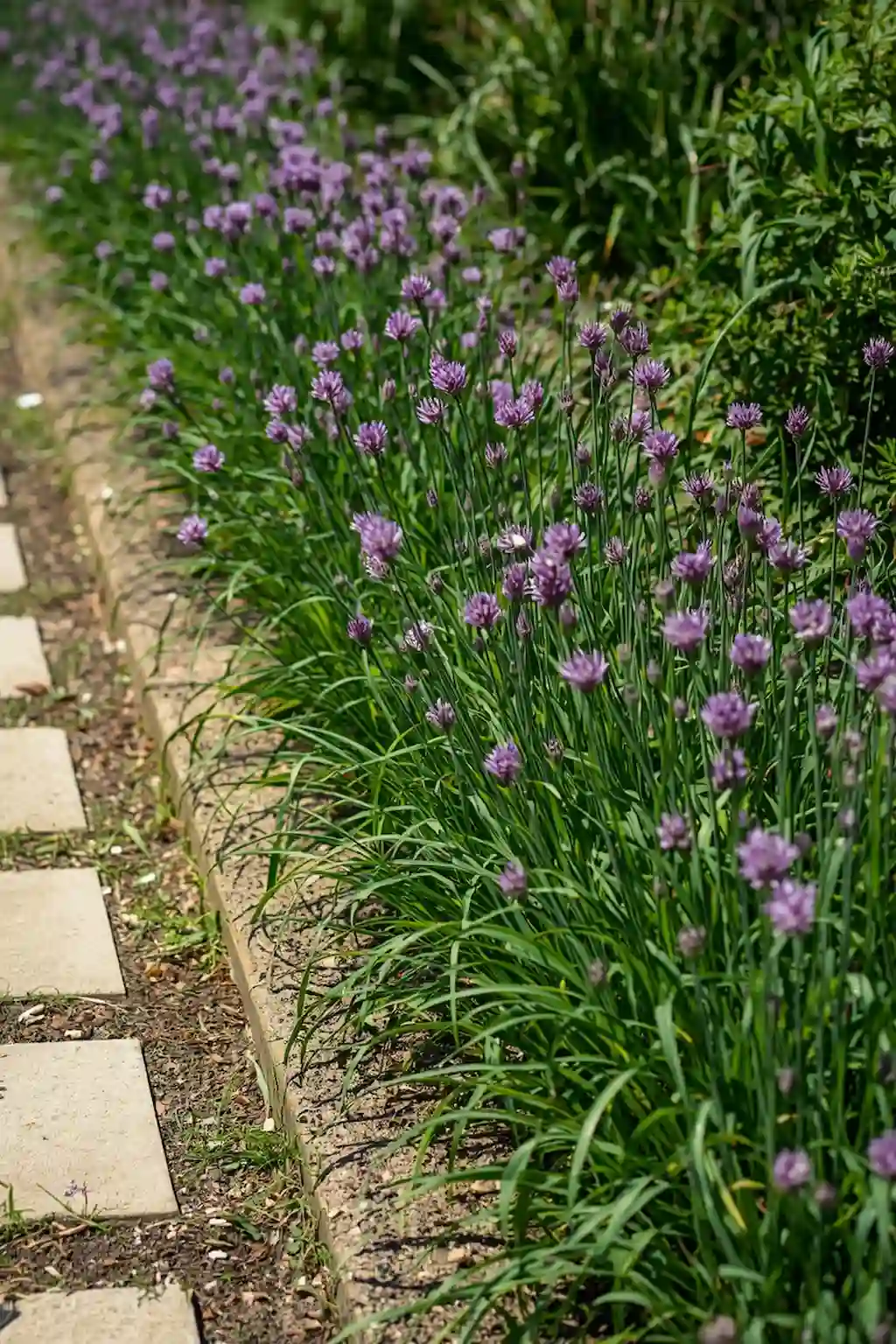
The neat growth habit of chives makes them ideal for edging garden beds and pathways. Their upright leaves create clean borders that remain attractive throughout the growing season.
The flowers provide an additional decorative touch.
Tips:
- Plant in rows.
- Maintain consistent spacing.
- Trim regularly.
- Combine with flowering plants.
14. Family-Friendly Herb Garden

Chives are a great herb for children and beginner gardeners because they grow quickly and require minimal care.
Watching them grow and harvesting fresh leaves can make gardening more enjoyable for the entire family.
Tips:
- Let children help harvest.
- Use simple containers.
- Teach basic plant care.
- Grow alongside easy herbs.
15. Harvesting and Storing Chives
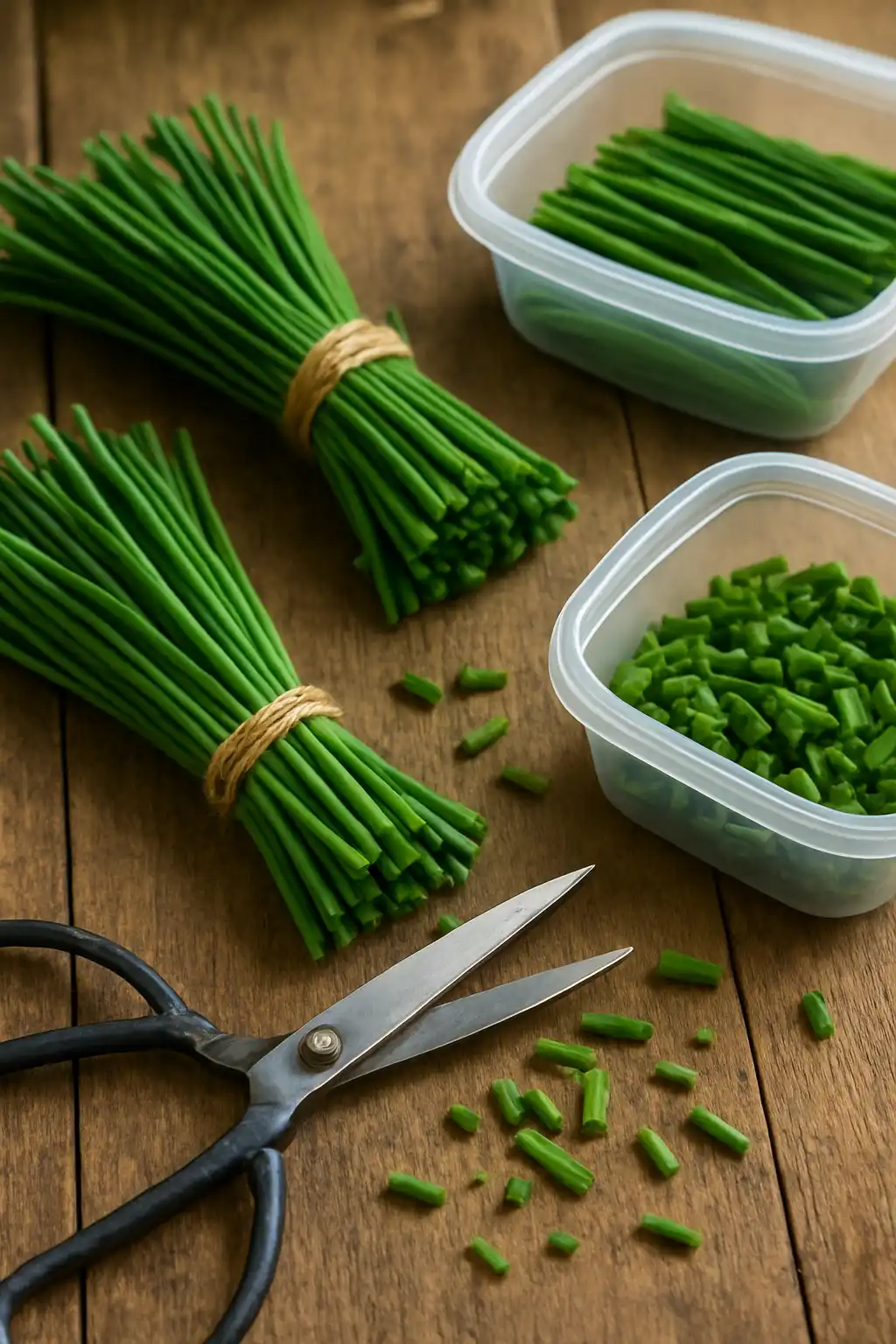
Regular harvesting encourages new growth and keeps plants productive throughout the season. Cut leaves a few inches above the soil and avoid removing the entire plant at once.
Fresh chives can be stored in the refrigerator or frozen for later use.
Tips:
- Harvest frequently.
- Use sharp scissors.
- Store properly.
- Freeze excess leaves.
Conclusion
Chives are one of the easiest and most rewarding herbs you can grow at home. Their fresh flavor, attractive flowers, and low-maintenance nature make them a favorite among gardeners of all skill levels.
Whether you plant them on a sunny windowsill, in a raised garden bed, or as part of a beautiful herb garden, chives offer endless possibilities. These simple growing and decorating ideas can help you enjoy fresh herbs while adding beauty and functionality to your home and garden.


More Stories
10 Beautiful Lilac Garden Ideas for a Fragrant Spring Landscape
10 Beautiful Chrysanthemum Garden Ideas for Colorful Fall Displays
10 Beautiful Saffron Garden Ideas for a Colorful Backyard