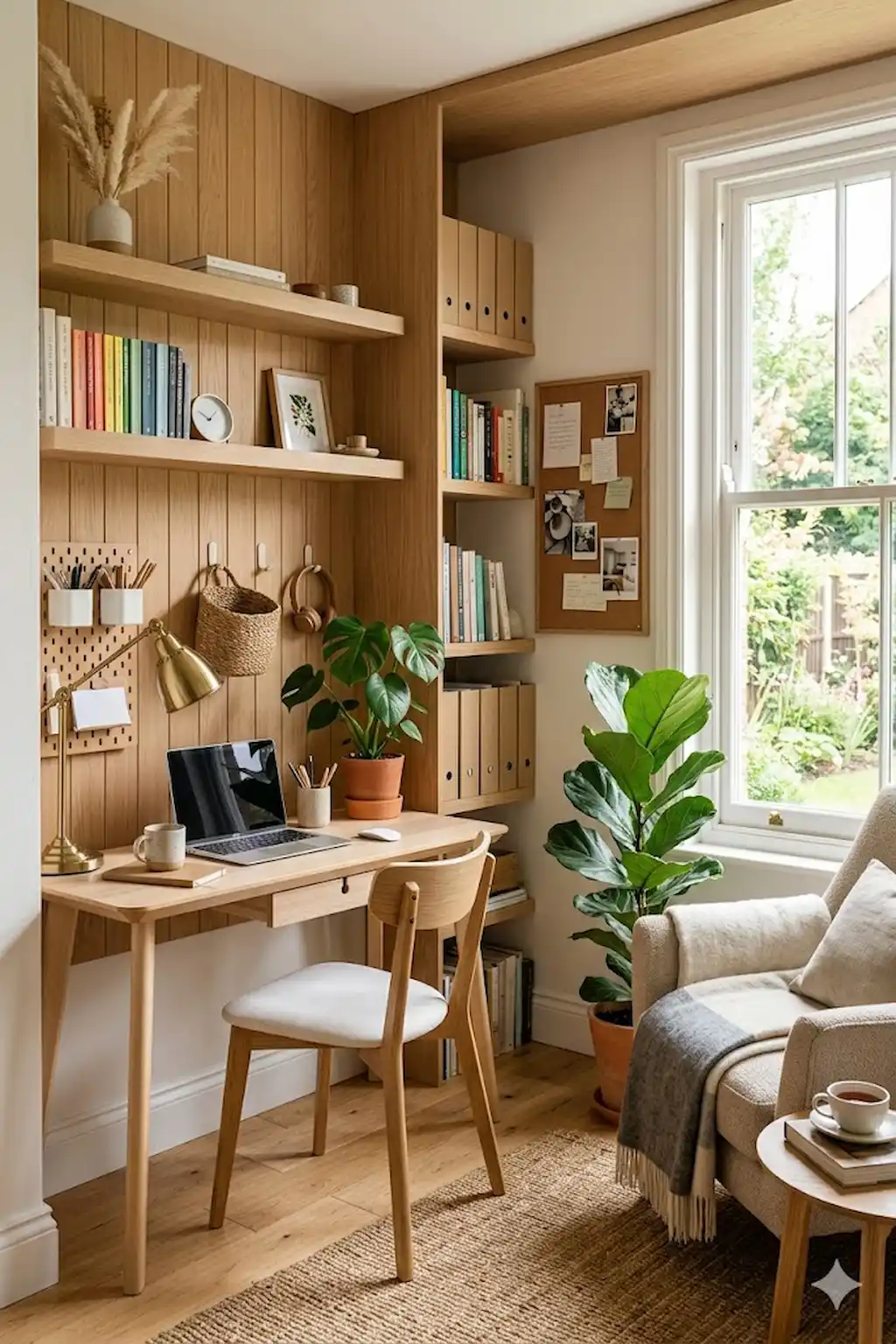
A dedicated study nook can make a world of difference when it comes to productivity, focus, and comfort. Whether you’re working from home, attending online classes, helping kids with homework, or simply need a quiet place to read and organize your thoughts, a well-designed study nook provides a practical solution without requiring an entire room.
The beauty of a study nook is that it can fit almost anywhere. An unused corner, an empty wall, a space beneath the stairs, or even a small section of a bedroom can be transformed into an efficient workspace with the right furniture and decor choices. The key is balancing functionality, comfort, and style while making the most of the available space.
If you’re looking for inspiration, these study nook ideas will help you create a workspace that feels organized, motivating, and enjoyable to use every day.
1. Window-Side Study Nook
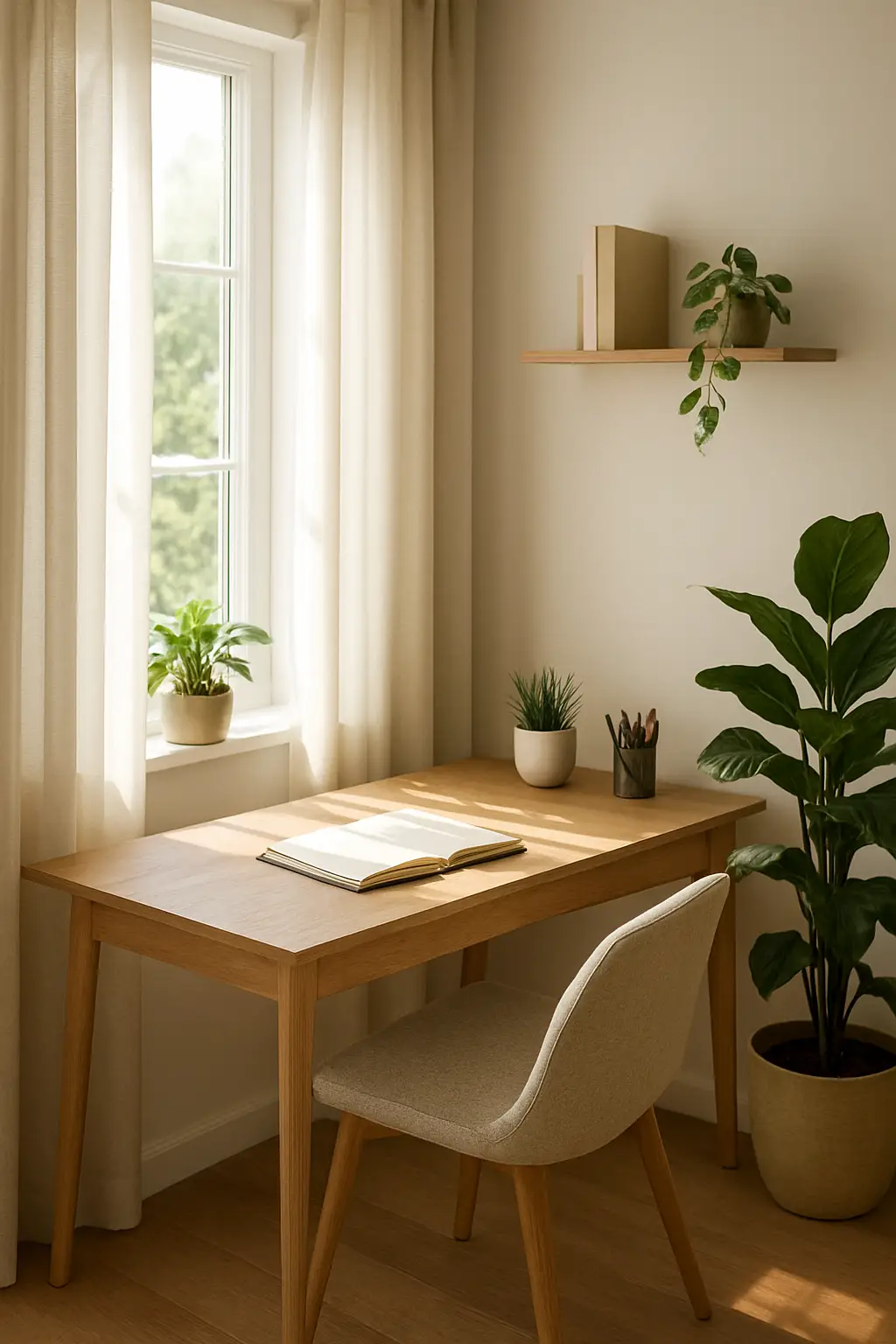
One of the best places for a study nook is near a window. Natural light helps reduce eye strain, boosts mood, and creates a bright environment that encourages focus and productivity.
A simple desk paired with a comfortable chair can turn a sunny corner into an inviting workspace. Adding a small plant or decorative accessory can make the area feel even more welcoming.
Why It Works
A window-side setup provides excellent lighting throughout the day and creates a refreshing connection to the outdoors. The natural view can also offer short mental breaks during study sessions.
Design Tips
- Position the desk near the window.
- Use light and airy curtains.
- Add a small indoor plant.
- Keep the desktop clutter-free.
2. Minimalist Corner Workspace
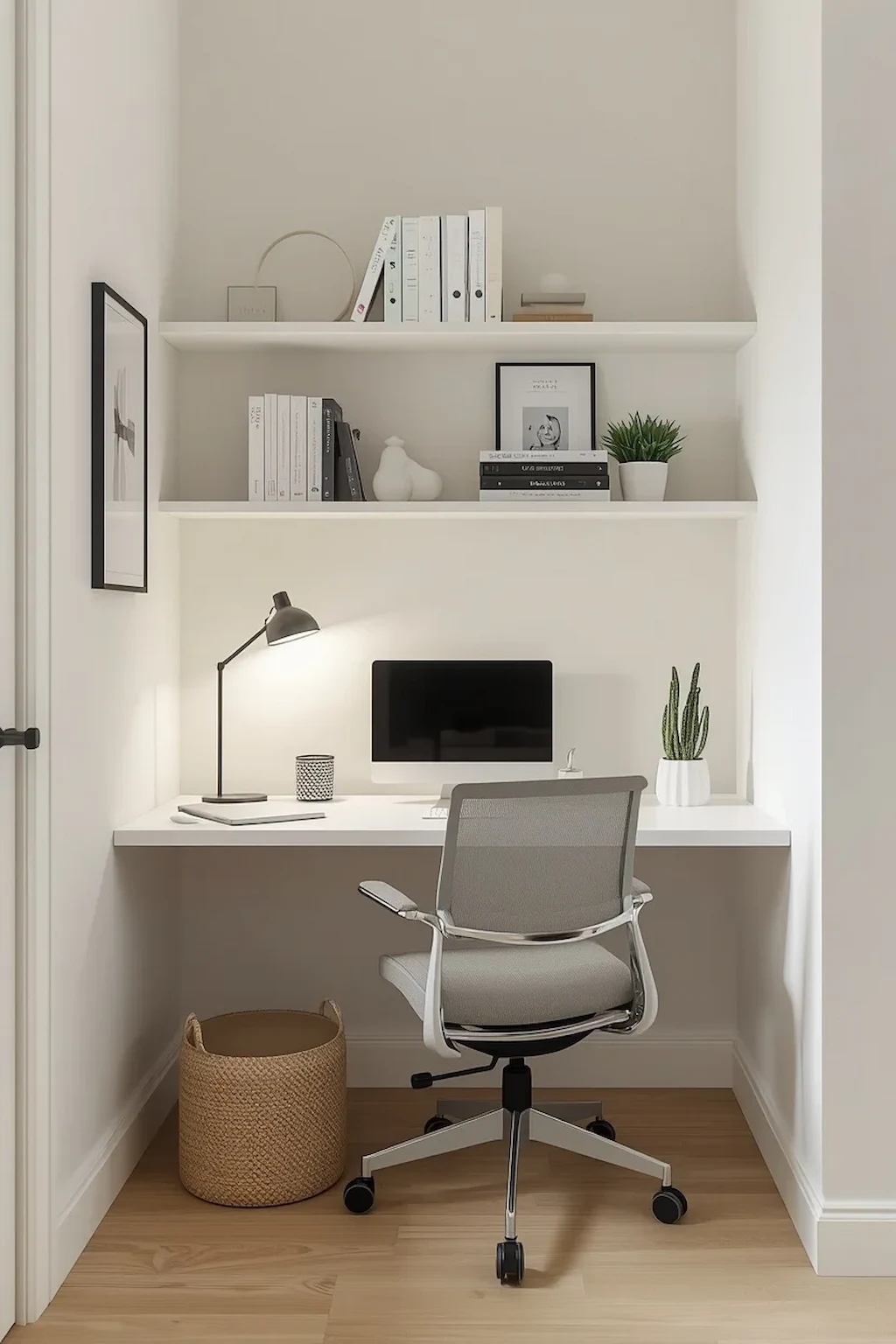
Sometimes less is more. A minimalist study nook focuses on the essentials: a functional desk, a supportive chair, and organized storage. Clean lines and a simple color palette help reduce distractions.
This style works especially well in small homes where maintaining a sense of openness is important.
Why It Works
Minimalist spaces promote concentration and make the room feel larger and more organized.
Design Tips
- Stick to neutral colors.
- Choose streamlined furniture.
- Limit decorative items.
- Keep surfaces tidy.
3. Built-In Desk Nook
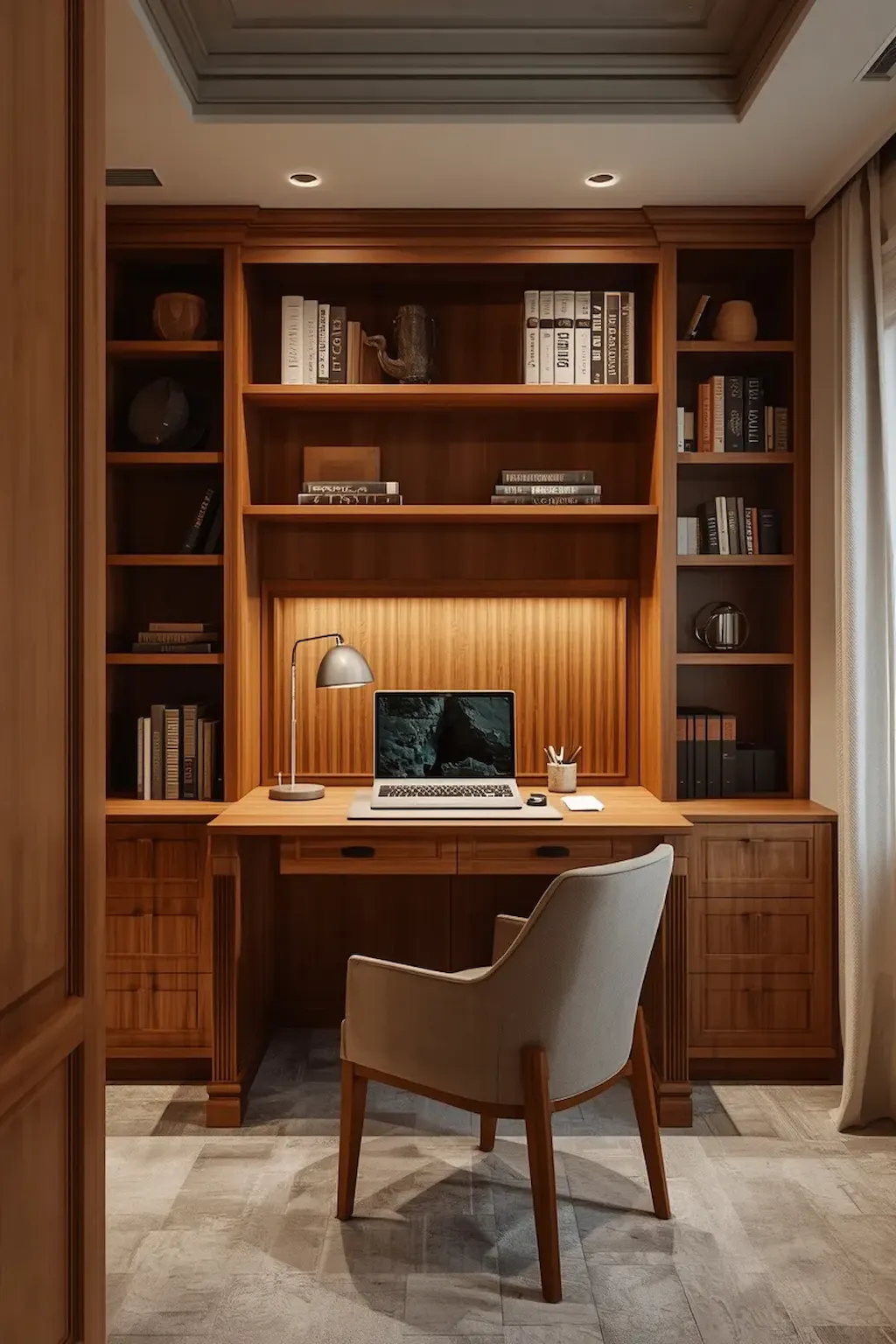
A built-in study nook creates a polished and customized appearance while maximizing every inch of available space. Shelving, drawers, and cabinetry can be incorporated to provide efficient storage.
Built-ins work particularly well in alcoves, hallways, or unused wall spaces.
Why It Works
Custom storage solutions help keep supplies organized and prevent clutter from accumulating.
Design Tips
- Include both open and closed storage.
- Use built-in lighting.
- Match finishes with surrounding decor.
- Maximize vertical space.
4. Scandinavian-Inspired Study Area
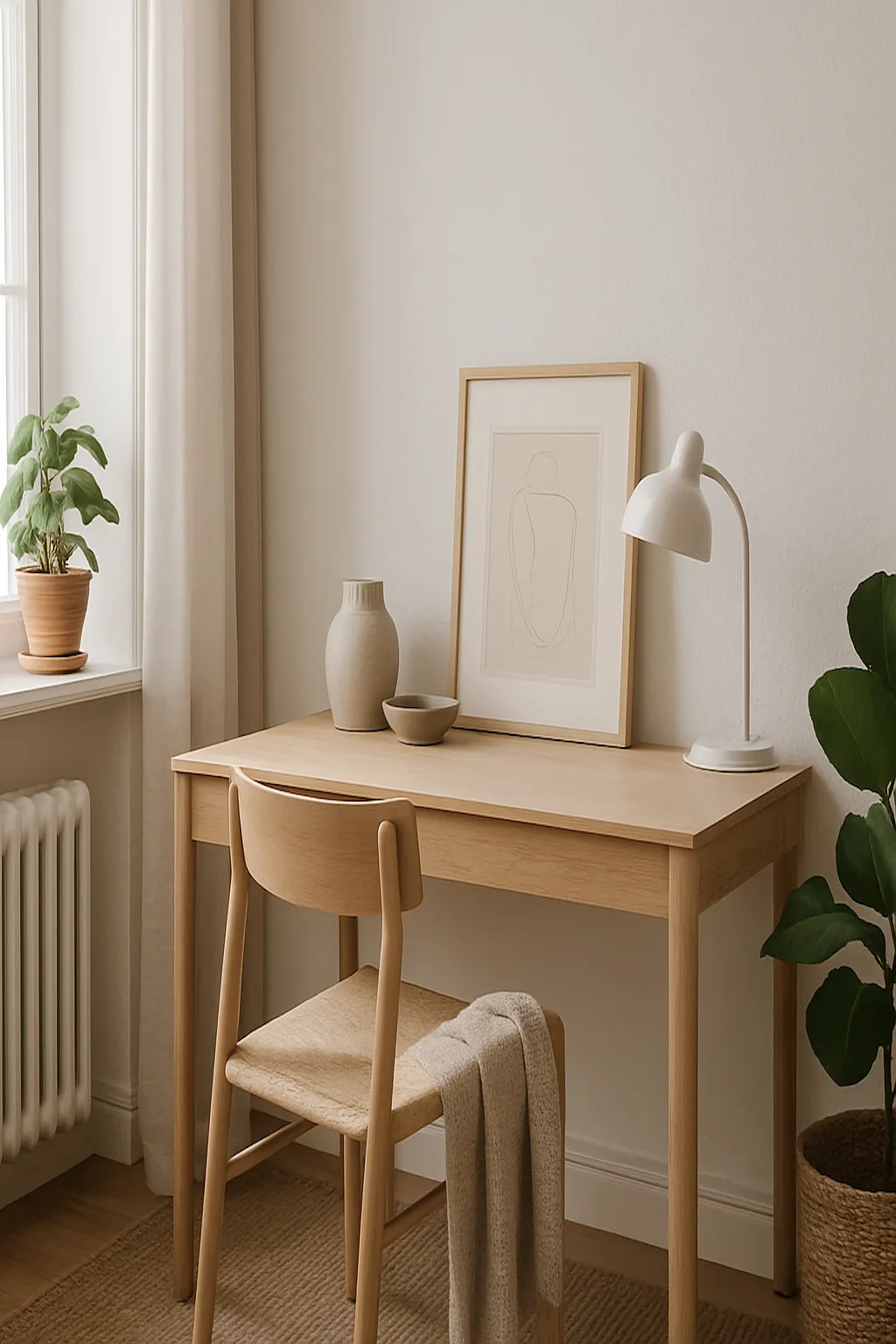
Scandinavian design is known for its combination of simplicity, functionality, and comfort. Light wood furniture, neutral colors, and natural textures create a study nook that feels bright and calming.
This style encourages focus while maintaining a warm and inviting atmosphere.
Why It Works
The uncluttered design promotes productivity while making the space feel comfortable and relaxing.
Design Tips
- Use light wood tones.
- Incorporate soft textures.
- Add natural materials.
- Prioritize natural light.
5. Under-the-Stairs Study Nook
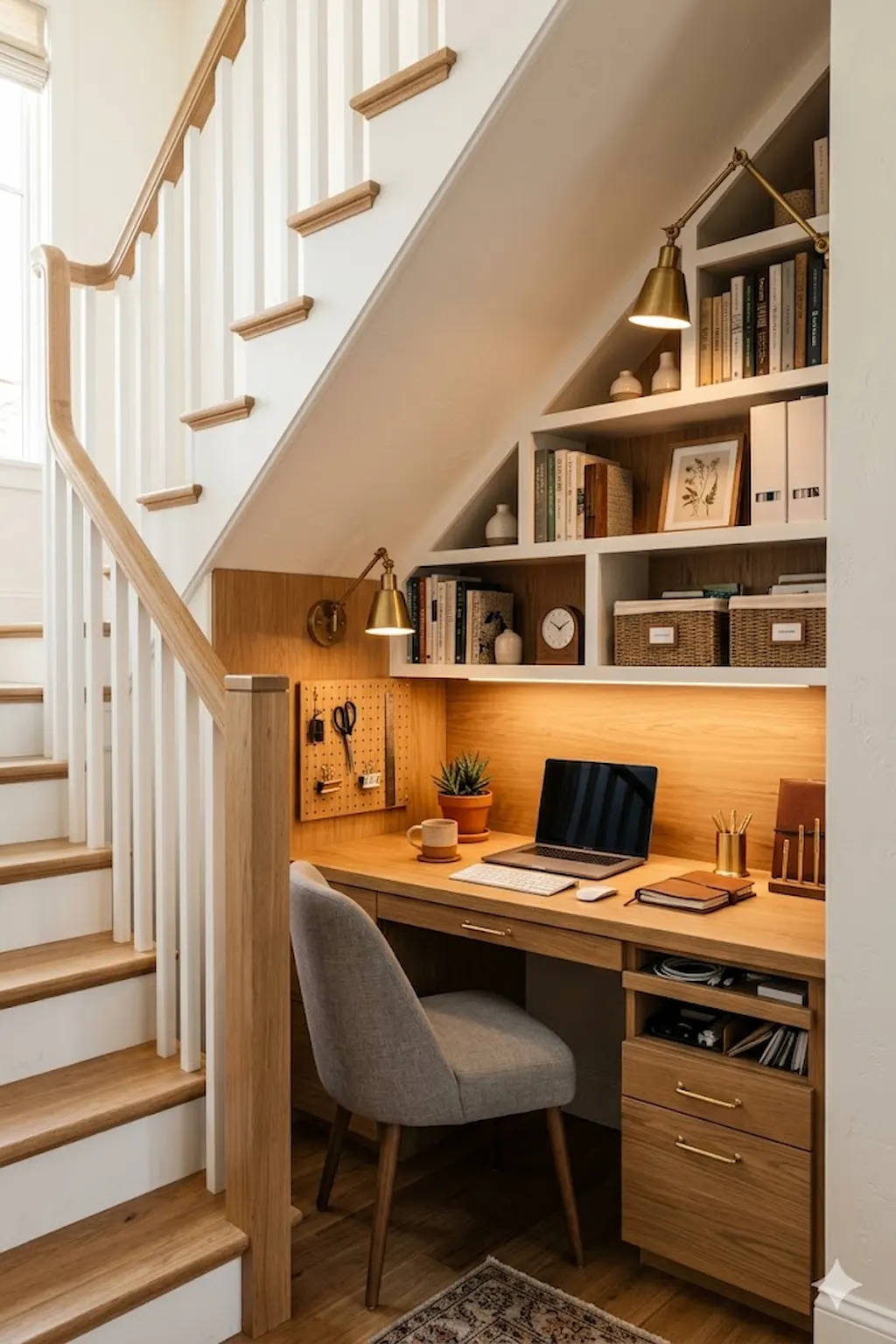
The area beneath a staircase is often overlooked, but it can become an incredibly functional study nook. A custom desk and shelving can transform this unused space into a practical workstation.
This solution is ideal for maximizing square footage in smaller homes.
Why It Works
It utilizes space that might otherwise go unused while creating a cozy and private work area.
Design Tips
- Install custom shelving.
- Use task lighting.
- Keep decor simple.
- Take advantage of available storage.
6. Floating Desk Workspace
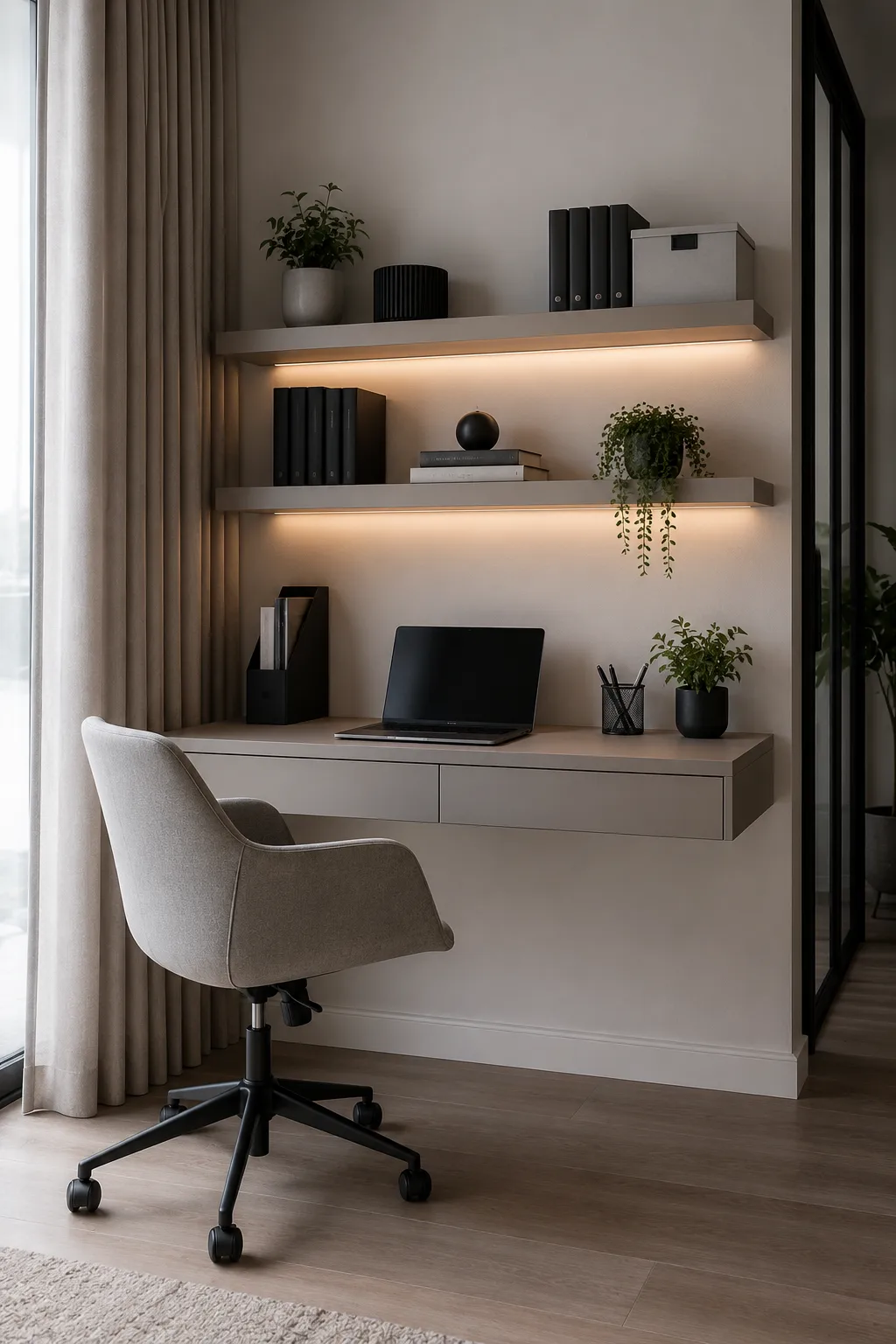
A floating desk mounted directly to the wall is perfect for compact spaces. Without bulky legs or large furniture pieces, the area feels more open and less crowded.
Pairing the desk with floating shelves creates a clean and modern look.
Why It Works
Floating furniture saves floor space and creates a streamlined appearance.
Design Tips
- Choose sturdy wall mounts.
- Add floating shelves above.
- Use a slim chair design.
- Keep accessories minimal.
7. Cozy Bedroom Study Nook
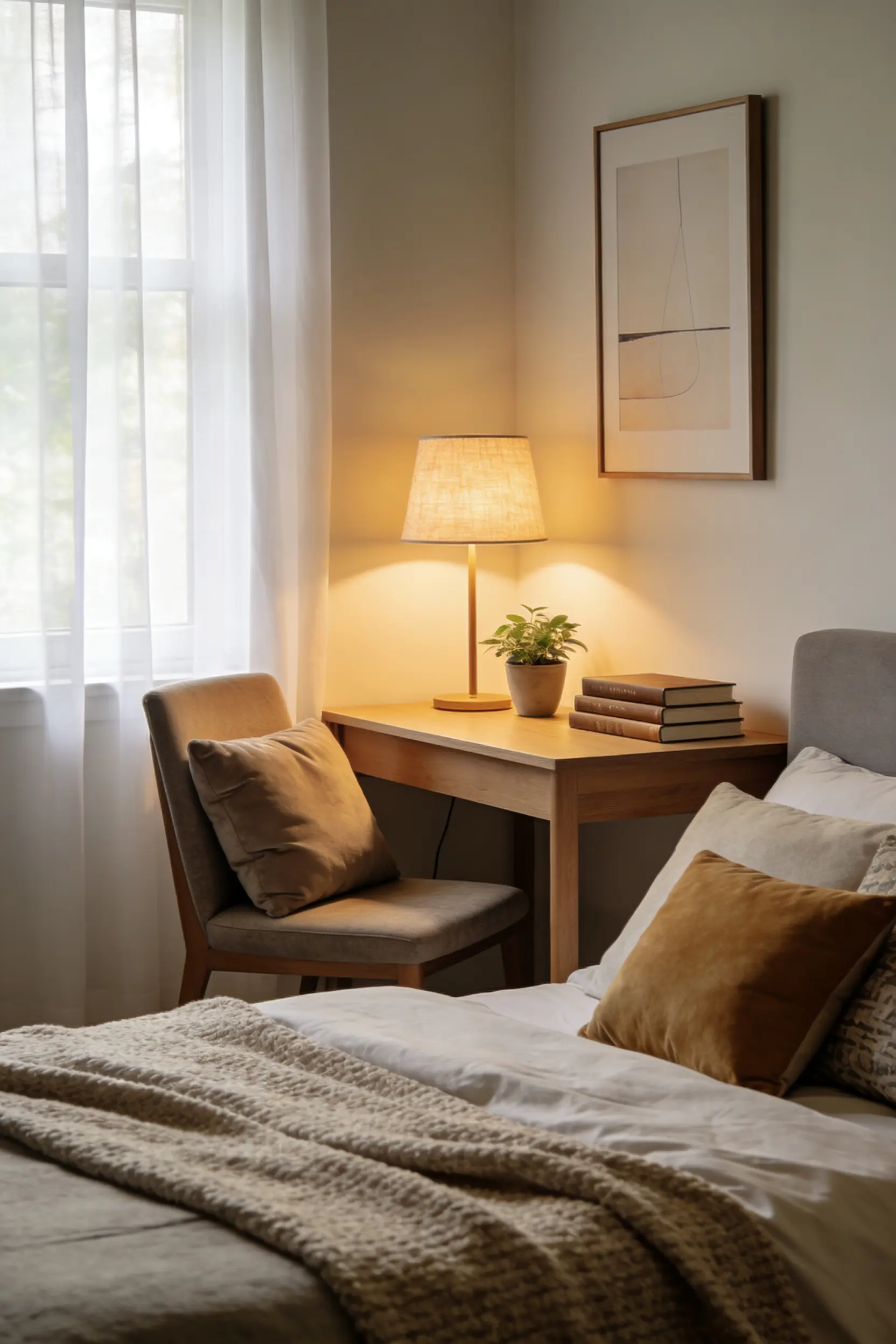
A bedroom can easily accommodate a study nook with thoughtful planning. A small desk placed beside a window or in an unused corner creates a dedicated workspace without disrupting the room’s overall design.
Soft lighting and comfortable seating make the area enjoyable for long study sessions.
Why It Works
Combining study and sleeping areas can be practical for homes with limited space.
Design Tips
- Coordinate furniture finishes.
- Add a comfortable chair.
- Use task lighting.
- Keep study materials organized.
8. Boho-Inspired Study Corner
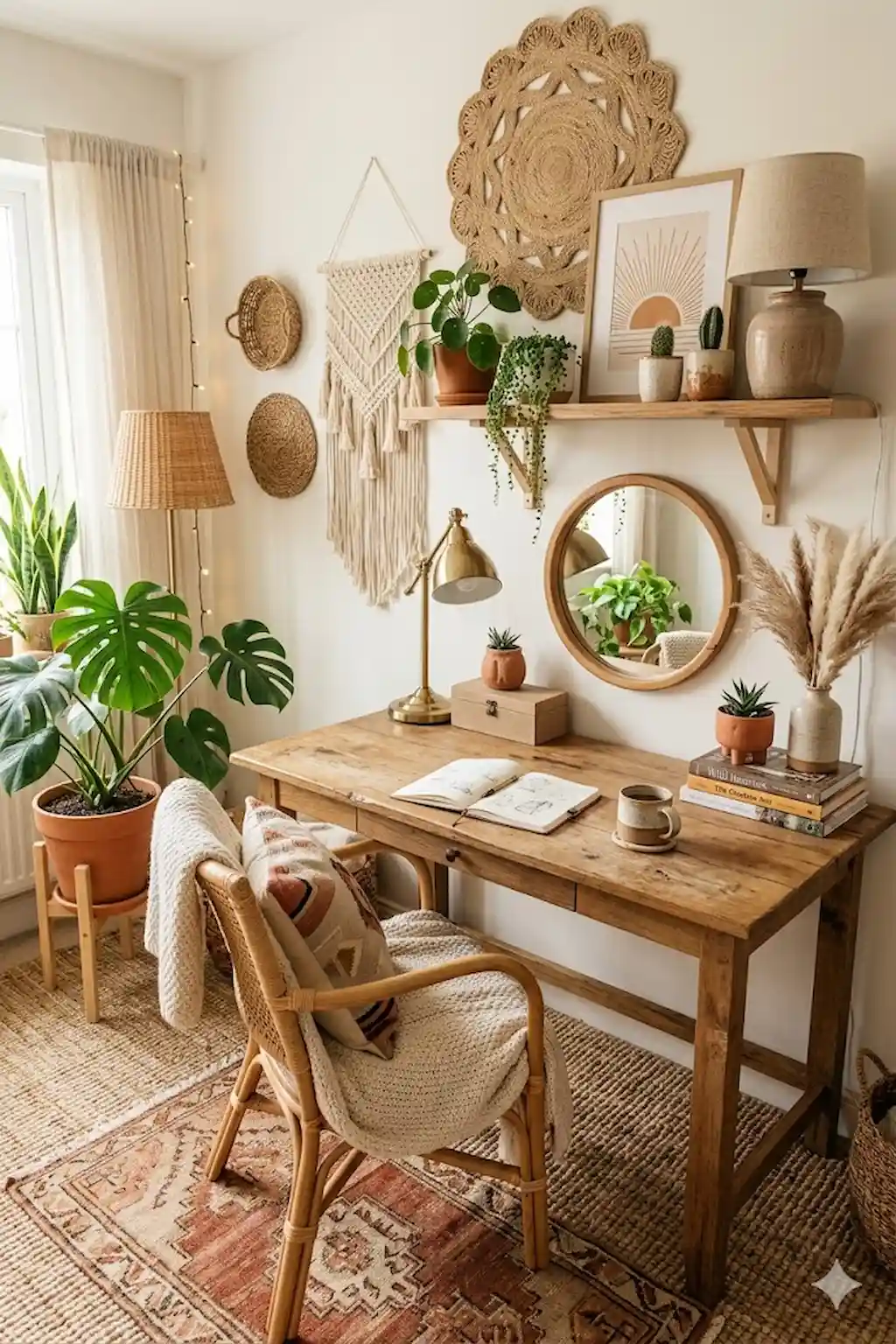
For those who enjoy a more relaxed and creative atmosphere, a boho-inspired study nook offers plenty of personality. Woven textures, layered textiles, indoor plants, and warm colors create an inviting workspace.
The goal is to balance decorative elements while maintaining functionality.
Why It Works
A personalized environment can make studying or working feel more enjoyable and inspiring.
Design Tips
- Add greenery.
- Use natural materials.
- Layer rugs and textiles.
- Incorporate warm earth tones.
9. Compact Family Study Station
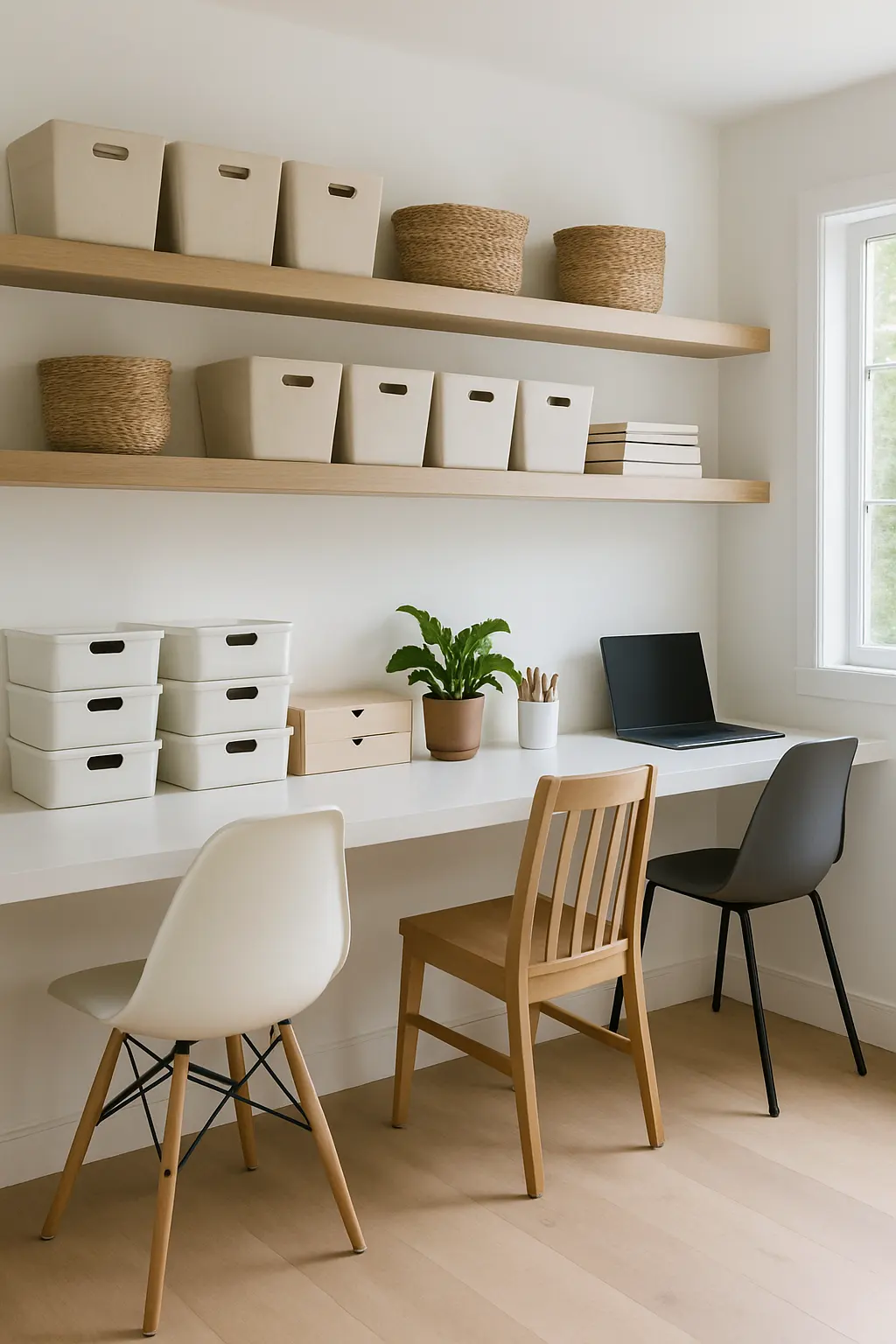
A family study station provides space for multiple users while keeping everything organized. A long desk, shared shelving, and individual storage areas can accommodate homework, projects, and remote work activities.
This setup is particularly useful for busy households.
Why It Works
It encourages organization and allows family members to work together comfortably.
Design Tips
- Create designated work zones.
- Use labeled storage.
- Provide adequate lighting.
- Keep supplies easily accessible.
10. Modern Multi-Purpose Study Nook
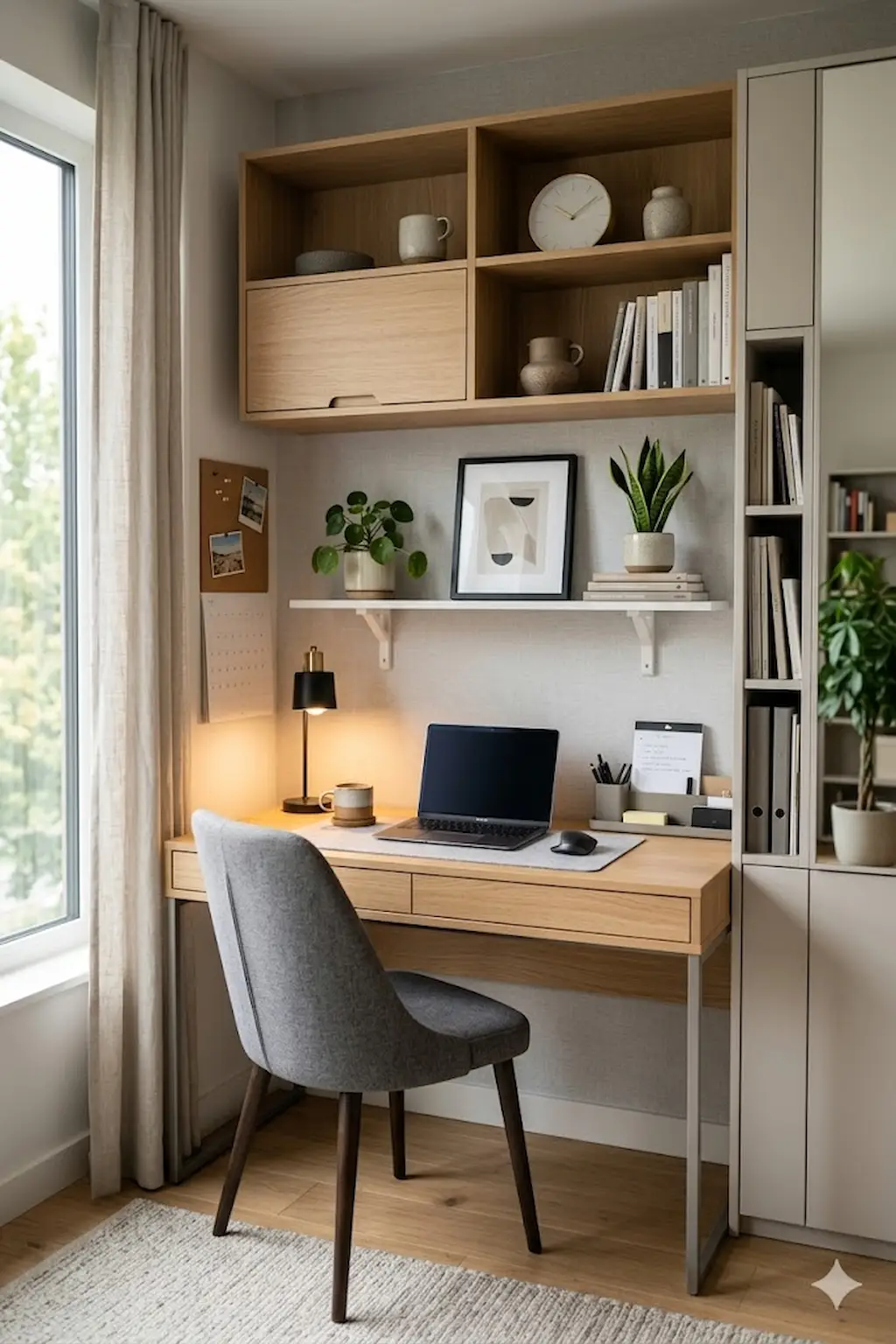
In many homes, a study nook needs to serve more than one function. A desk can double as a workspace, craft station, vanity, or reading area depending on your needs.
Flexible furniture and smart storage solutions make it easy to adapt the space throughout the day.
Why It Works
Multi-functional spaces maximize usability without requiring additional square footage.
Design Tips
- Choose versatile furniture.
- Use hidden storage solutions.
- Keep layouts flexible.
- Maintain an organized workspace.
How to Make Any Study Nook More Productive
No matter which design you choose, a few simple strategies can help improve productivity:
- Ensure adequate lighting.
- Invest in a comfortable chair.
- Keep frequently used items within reach.
- Minimize distractions.
- Add personal touches that inspire creativity.
- Maintain a clutter-free environment.
Conclusion
A well-designed study nook can transform even the smallest corner into a productive and inspiring workspace. Whether you prefer the clean simplicity of Scandinavian design, the warmth of a cozy bedroom setup, or the creativity of a boho-inspired corner, there are countless ways to create a study area that suits your needs and personal style.
By focusing on smart furniture choices, proper organization, and thoughtful decor, you can design a study nook that not only looks beautiful but also helps you stay focused, motivated, and comfortable every day.


More Stories
12 Chic Narrow Hallway Decor Ideas for Entryways
15 Beautiful TV Wall Ideas for Modern Living Room
12 Modern Fireplace Ideas to Upgrade Your Living Room